<h2>Buying Guide: Topwater Lures – Pure Adrenaline</h2>
<p>Fishing with topwater, or surface lures, is arguably the most adrenaline-charged way to target predators. Most topwater lures are hard lures made from plastic or balsa wood. The appeal of fishing these lures - beyond their effectiveness - lies above all in the sheer tension they create. When you see the bow wave of one or even several predators surging behind your fleeing lure, your heart rate and breathing feel as though they double in a split second. Bites most often come during the retrieve pauses, which can last up to 5 seconds depending on the species and water temperature. Now and then the predator misjudges and launches itself clean out of the water alongside the lure - sights you will never forget. The takes are also absolutely savage and often come one after another in quick succession. Success with surface lures depends largely on your ability to hold your nerve and resist striking too early. Because you can often see the fish closing in on the lure, the temptation to strike prematurely is strong. Definitely not for the faint-hearted.</p>
<p>Make sure you also check out the <strong>blog article</strong> by our team member Kevin on this topic: Das kleine 1x1 zum Oberflächenangeln</p>
<h3>Hardware</h3>
<p>To fish these lures effectively, <strong>stiff rods</strong> with <em>fast</em>, <em>extra fast</em> or <em>regular fast</em> action work best, and ideally they should not be too long. For the leader, avoid heavy materials, as smaller lures in particular tend to sink too deep when paired with large swivels and thick wire traces. <strong>Mono with the lowest possible stretch</strong> is a good choice, but <strong>braid</strong> with a pike-safe floating or slow-sinking leader also works well.</p>
<h3>When to Use Them</h3>
<p>Do not restrict surface lures to occasions when you can already see predators feeding at the top.</p>
<p><strong>They are also highly effective in the following situations:</strong></p>
<ul><li>To attract fish to a spot using sound, or to hold them there.</li><li>To match natural feeding behaviour at mid-range water temperatures.</li><li>During the early morning or late evening hours in high summer.</li><li>Shortly before a storm or severe weather.</li><li>When dense weed growth makes fishing the water below impossible.</li></ul>
<h3>Big Mouths as Targets: Poppers</h3>
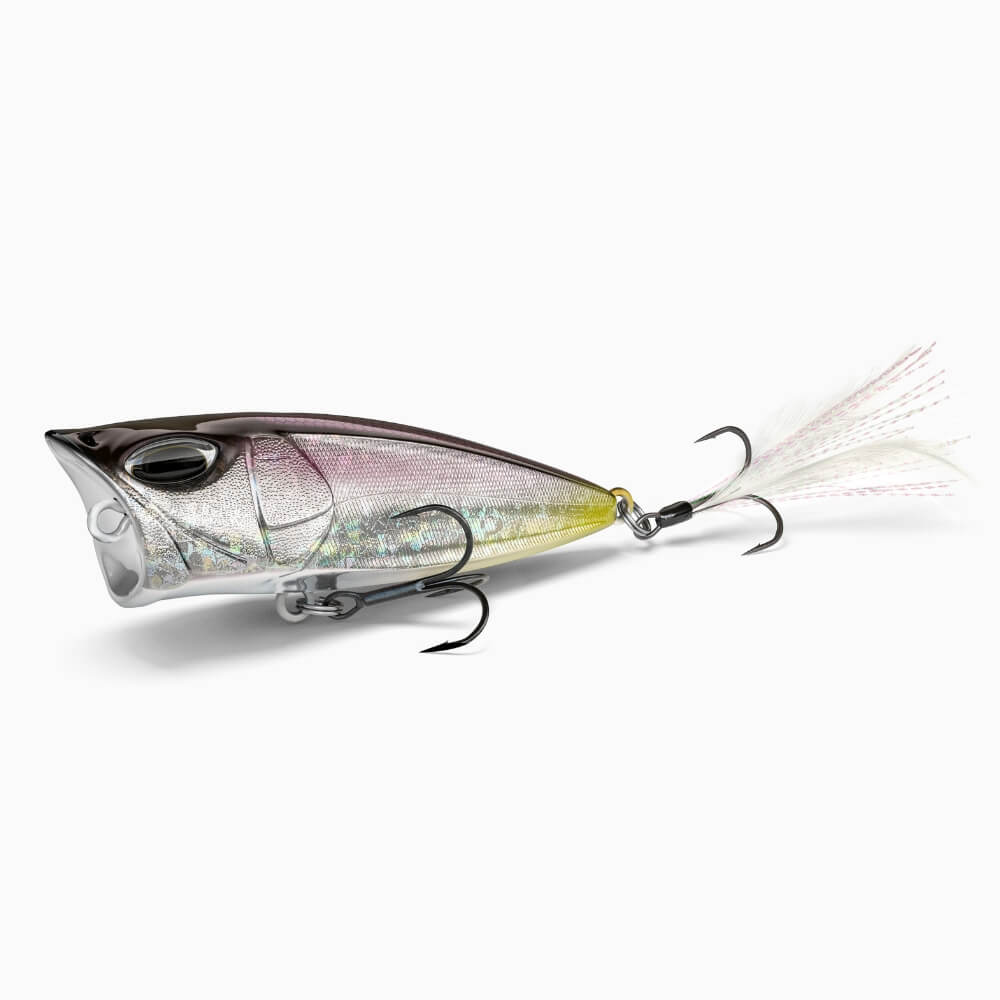
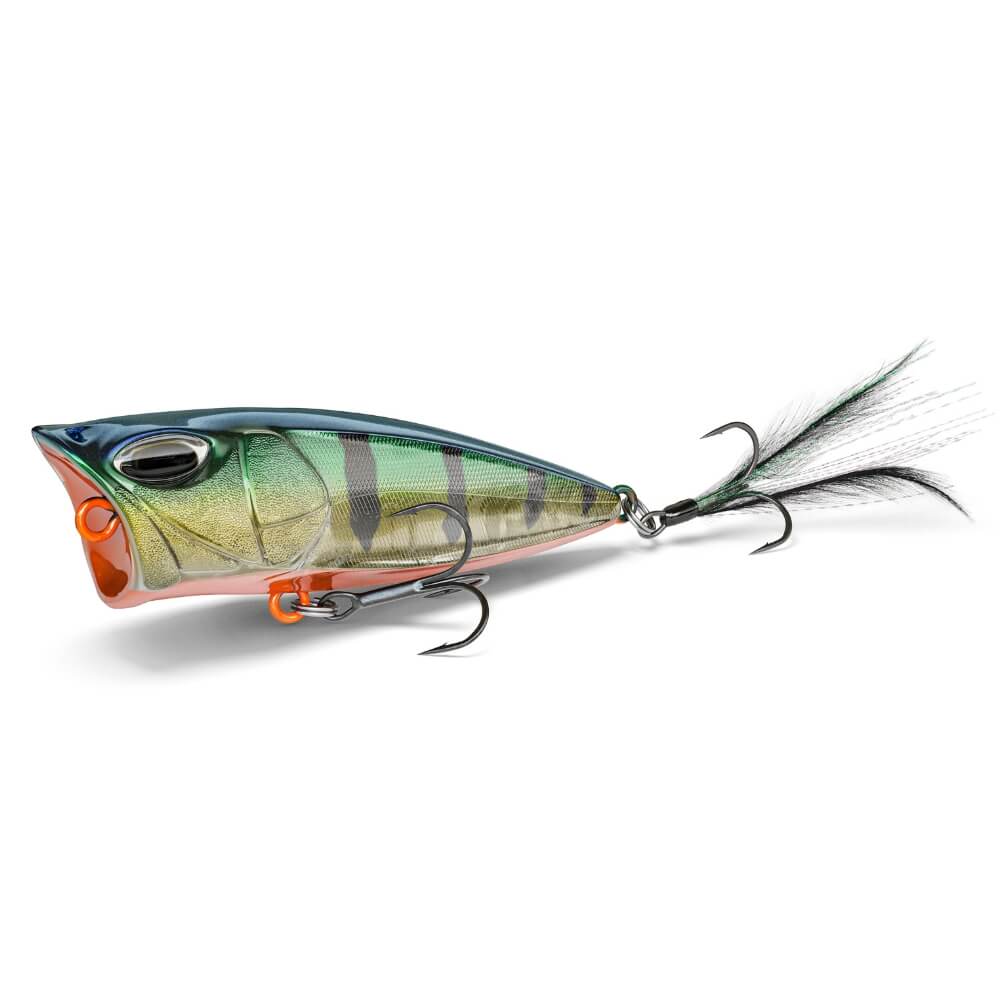
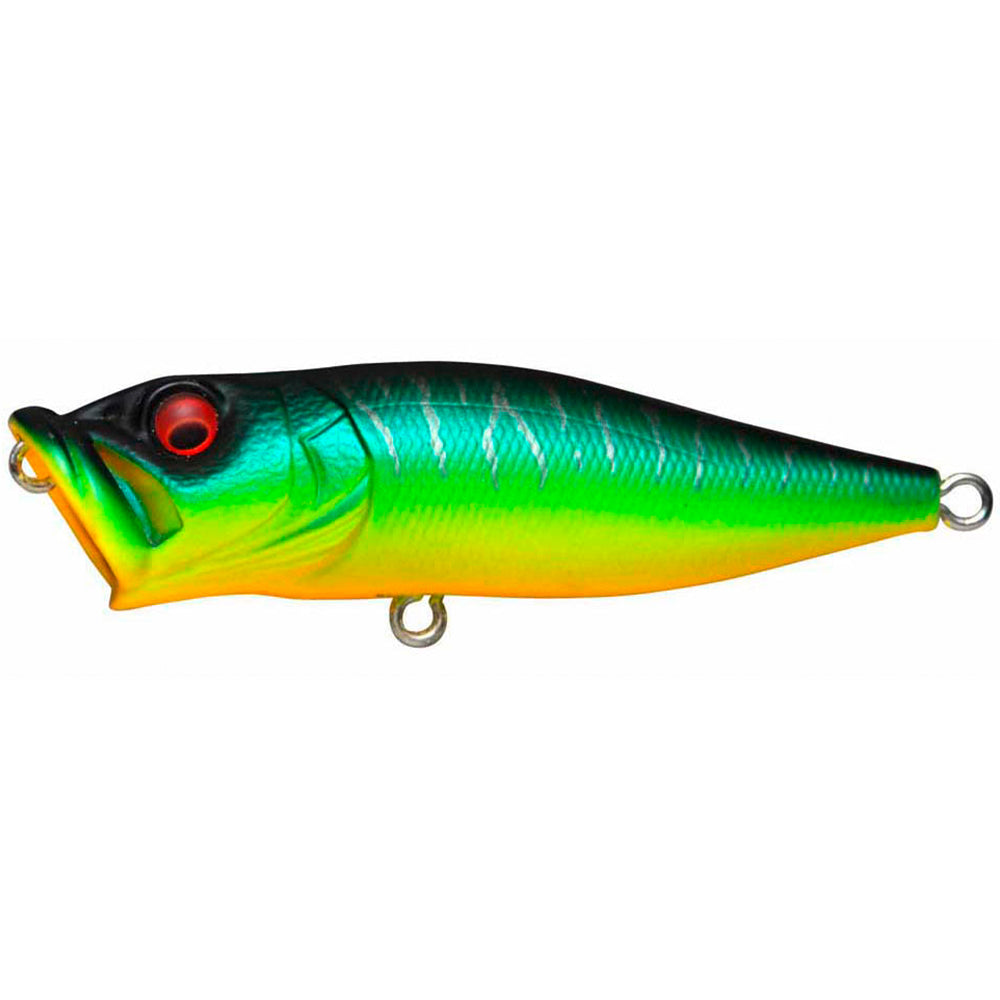
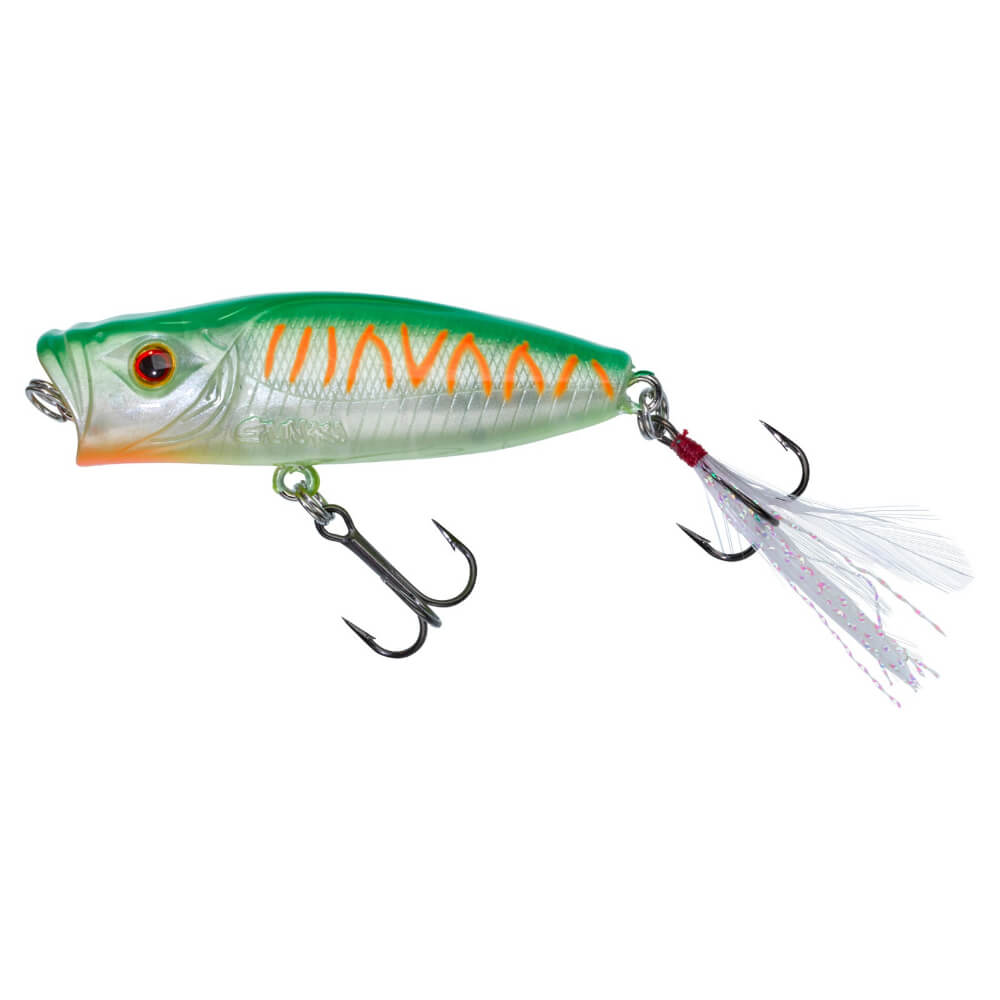
<p>The best-known group in this category is undoubtedly the <strong>popper</strong>. As the name suggests, these lures feature a concave face that, when worked with sharp, jerking movements, produces a loud popping noise along with strong waves, splashes and a trail of bubbles.</p>
<p><img src="https://cdn.shopify.com/s/files/1/0548/9197/0669/files/Duo-Popper.jpg" alt="Duo-Popper" width="198" height="120"></p>
<h3>Unassuming Killers: Stickbaits</h3>
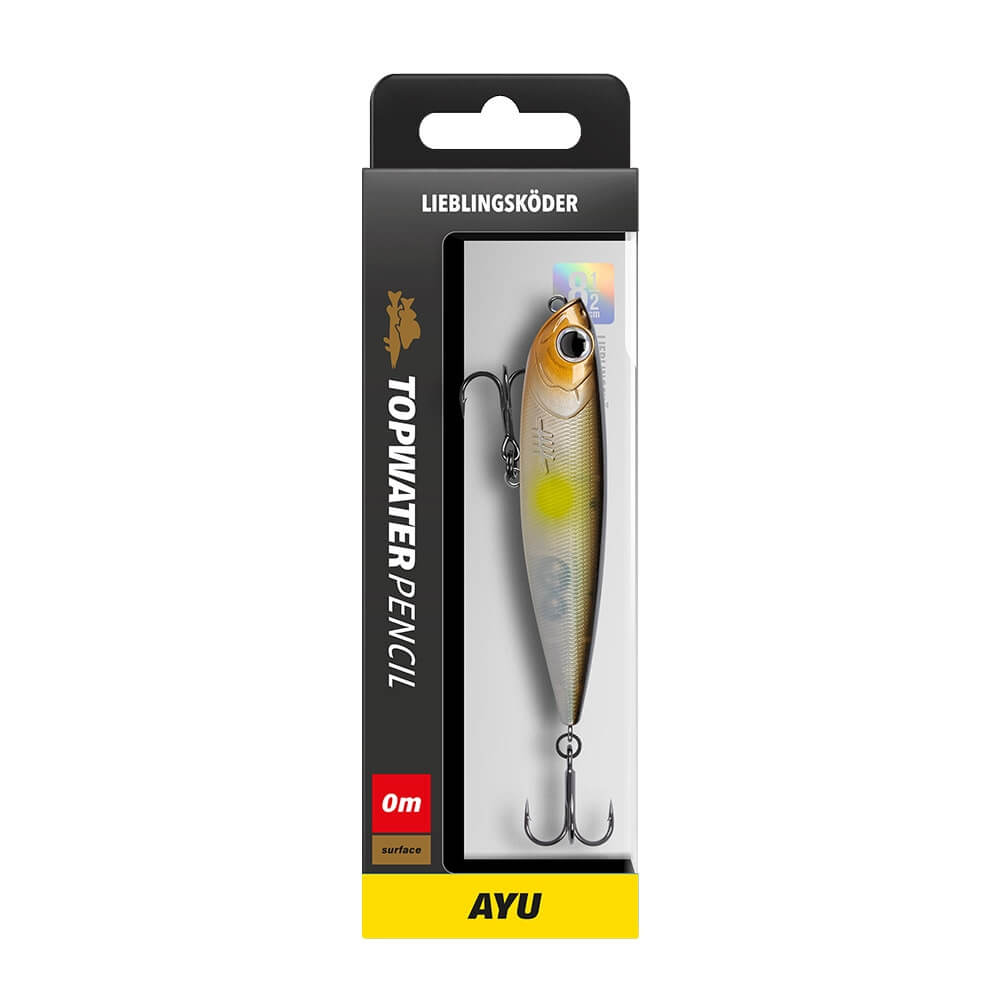
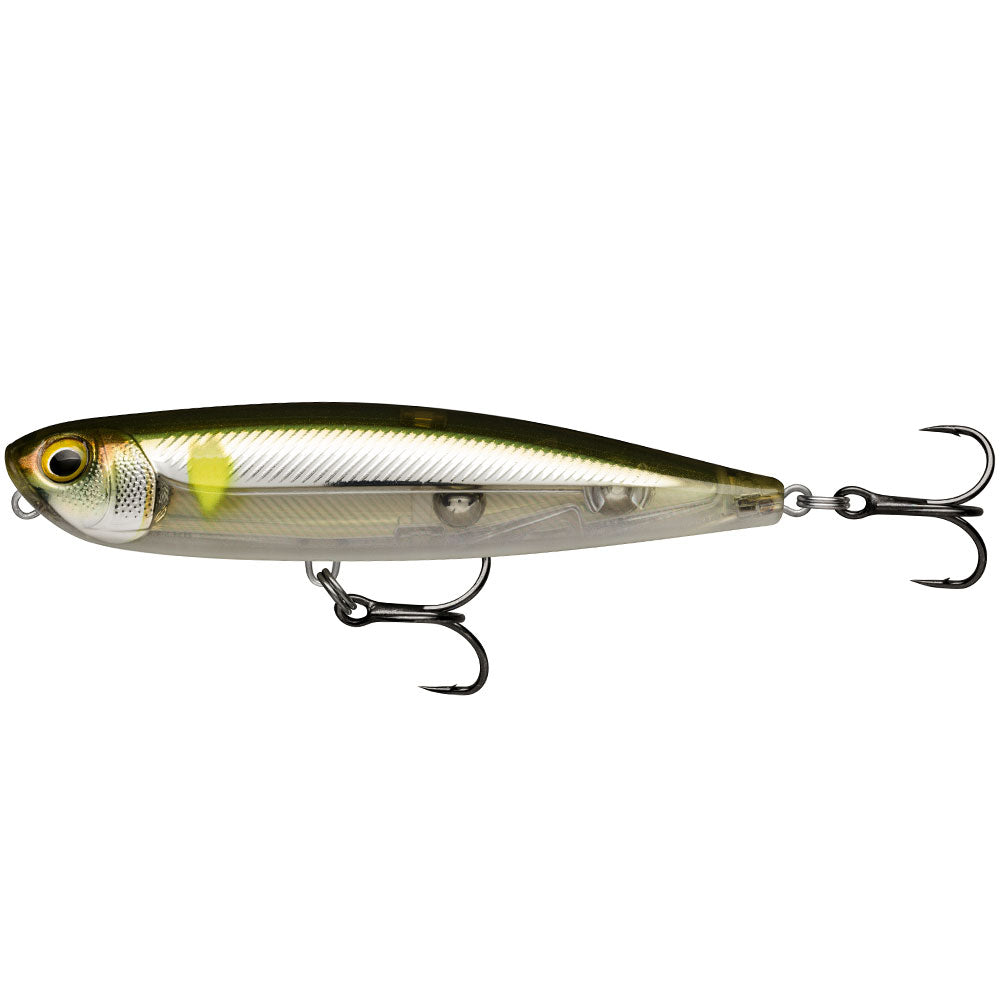
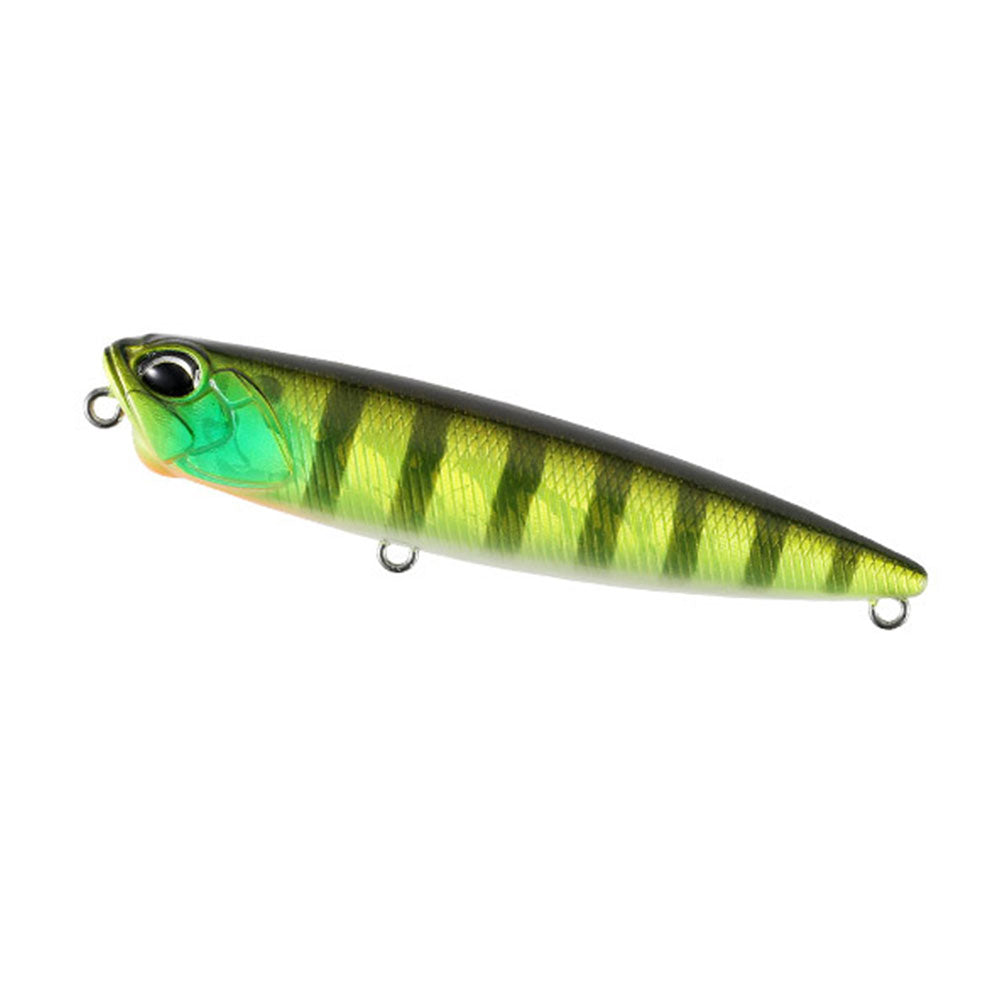
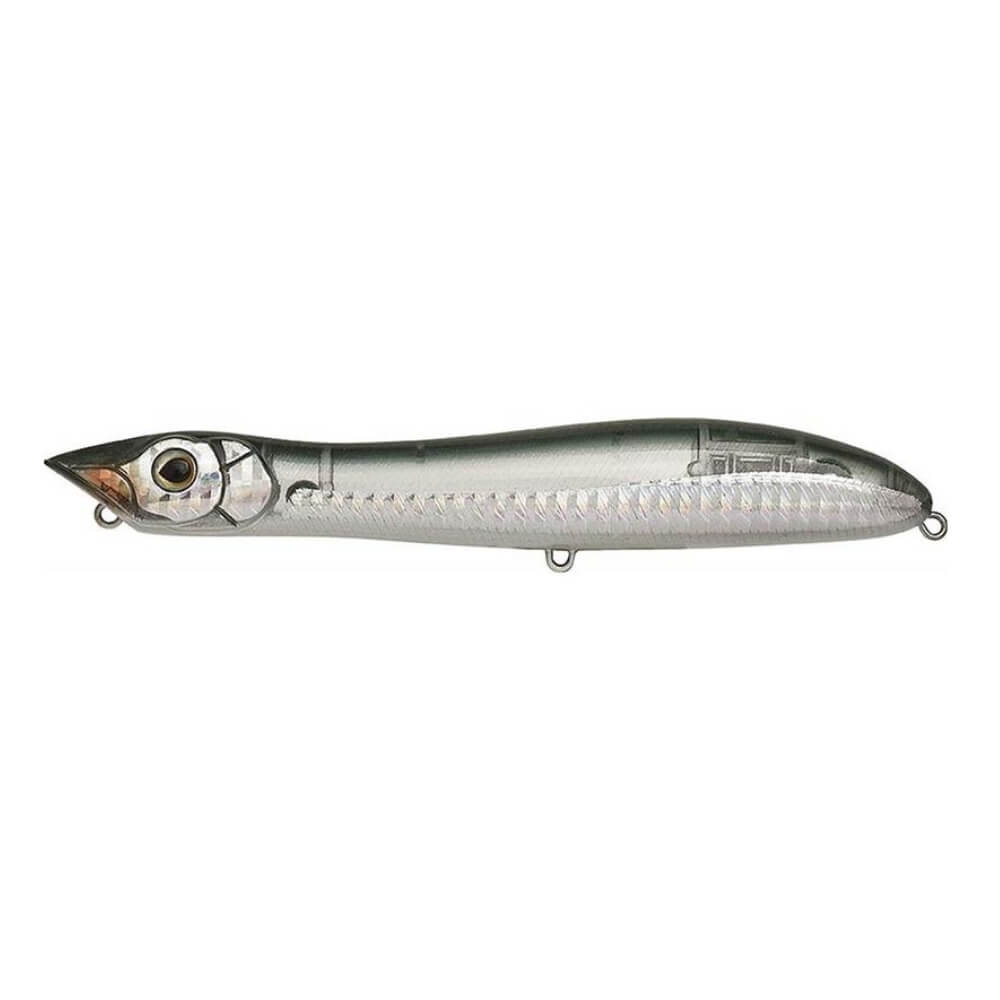
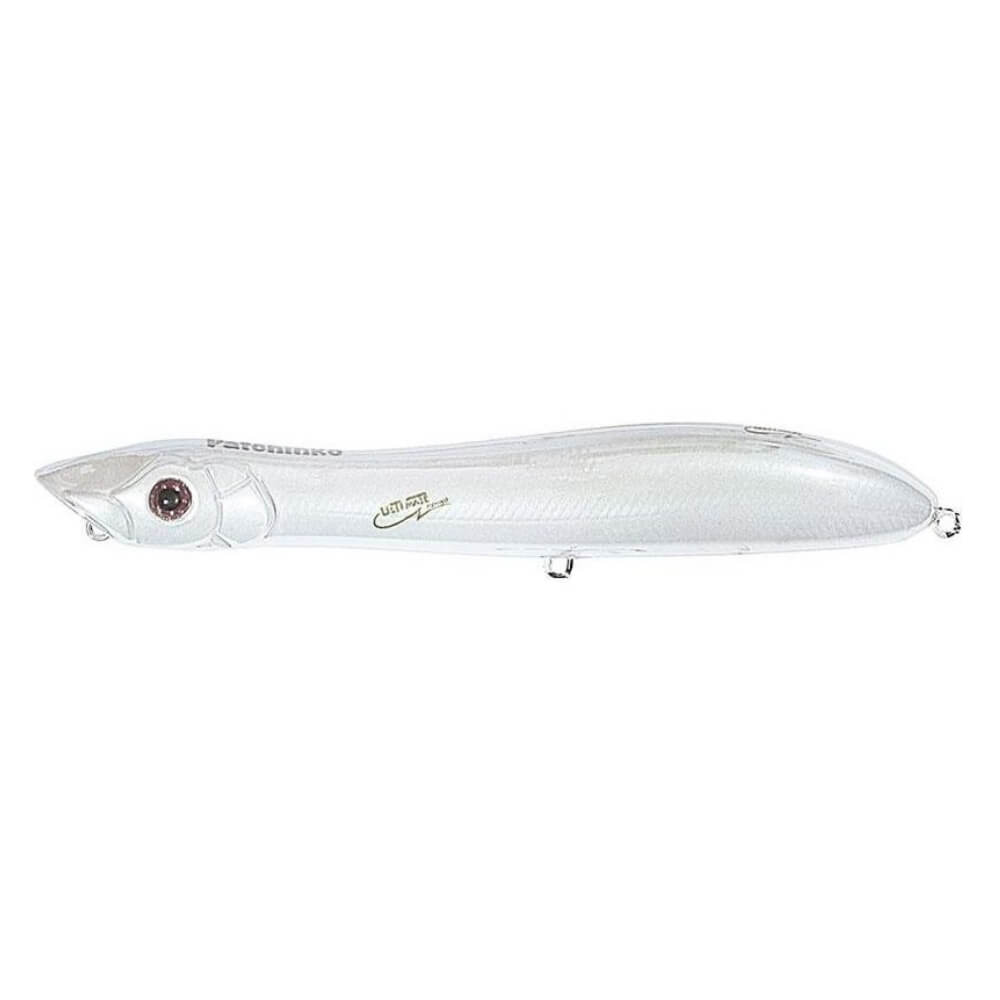
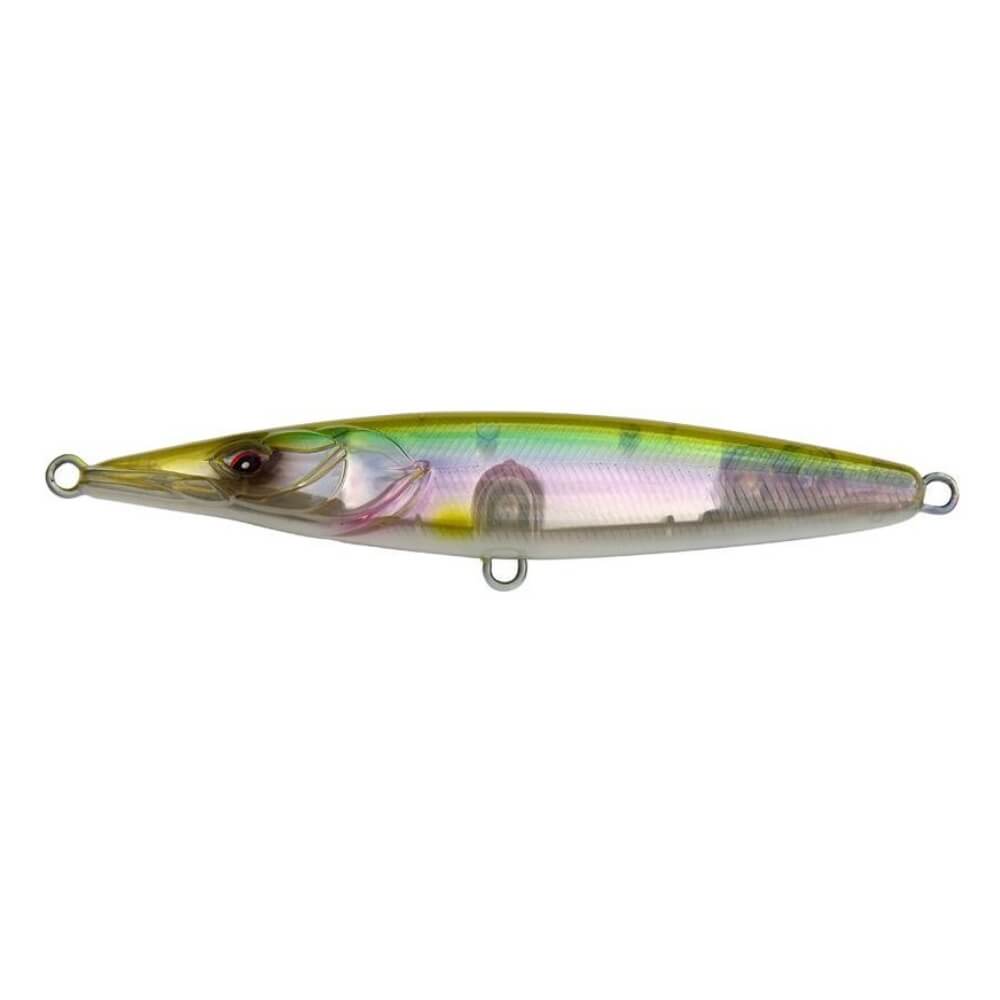
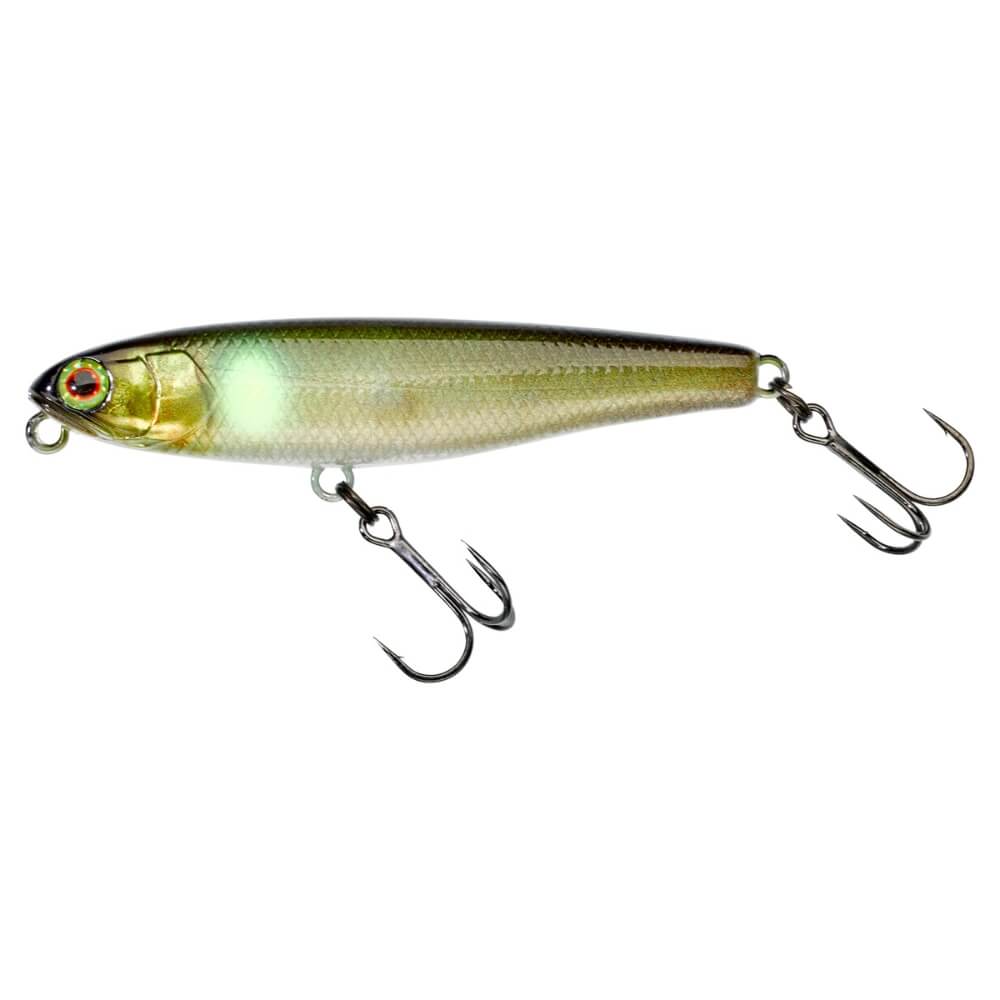
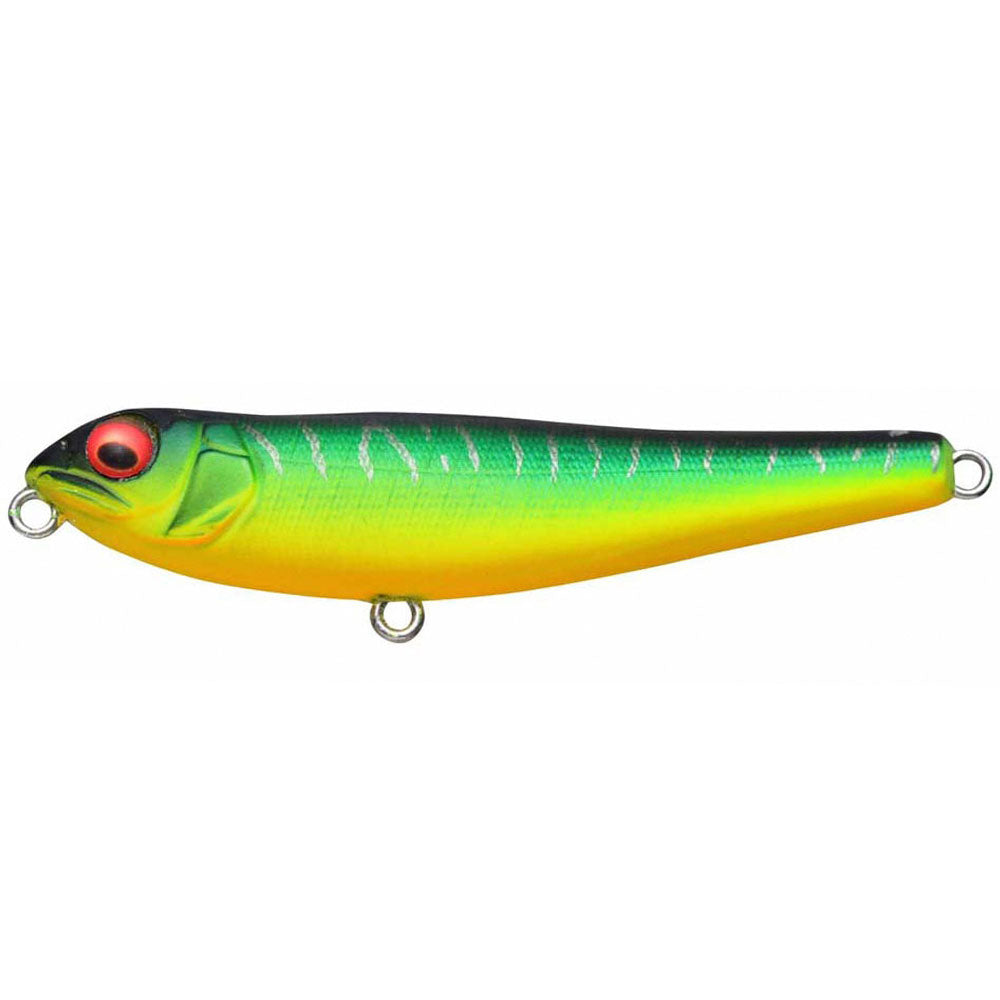
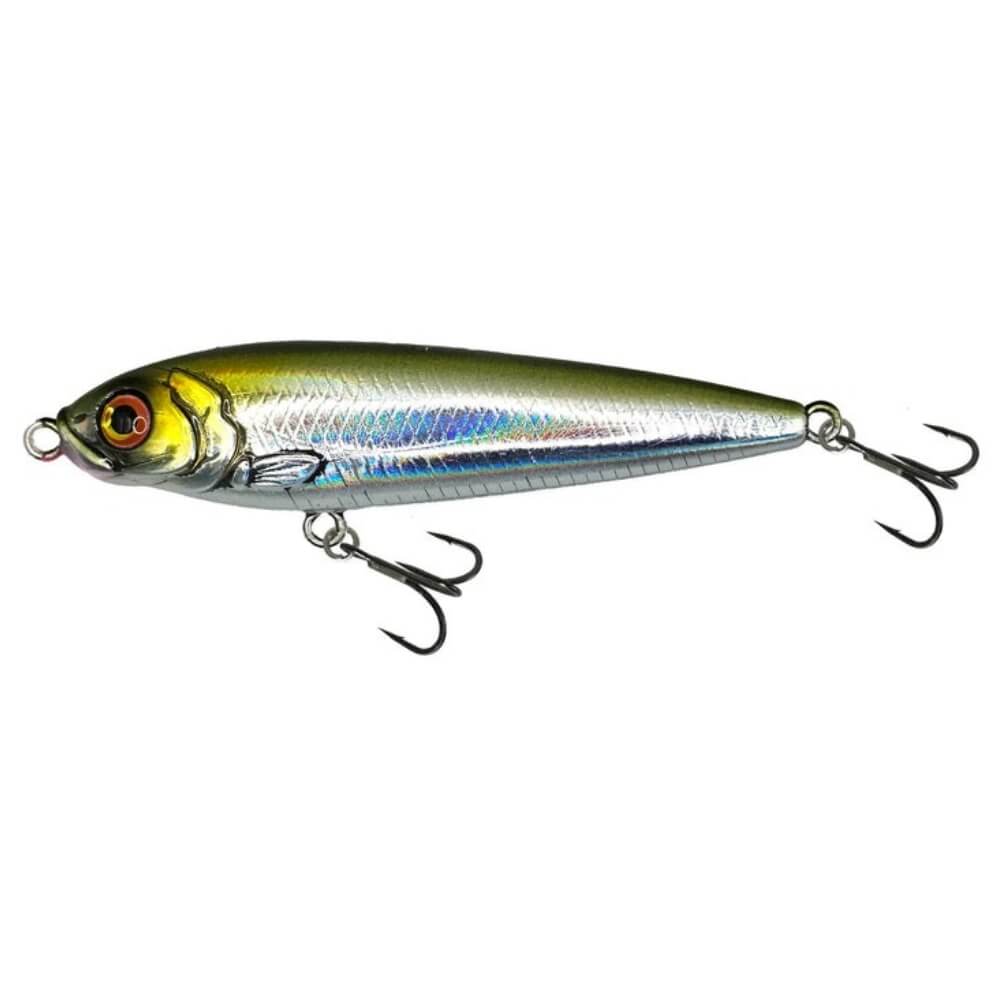
<p>Plain in appearance yet devastatingly effective on their day, <em>pencil</em> and <strong>stickbaits</strong> have a cylindrical profile and typically perform a zigzag or <em>dogwalk</em> action on the surface. During the retrieve pauses - when the lure tilts sideways and holds that position - perch and pike are particularly prone to striking.</p>
<p><img src="https://cdn.shopify.com/s/files/1/0548/9197/0669/files/pencil85_gea3006-ghost-minnow_preview.png" width="341" height="112" alt="Ghost Minnow Stickbait"></p>
<h3>Straight to the Point: Prop Baits</h3>
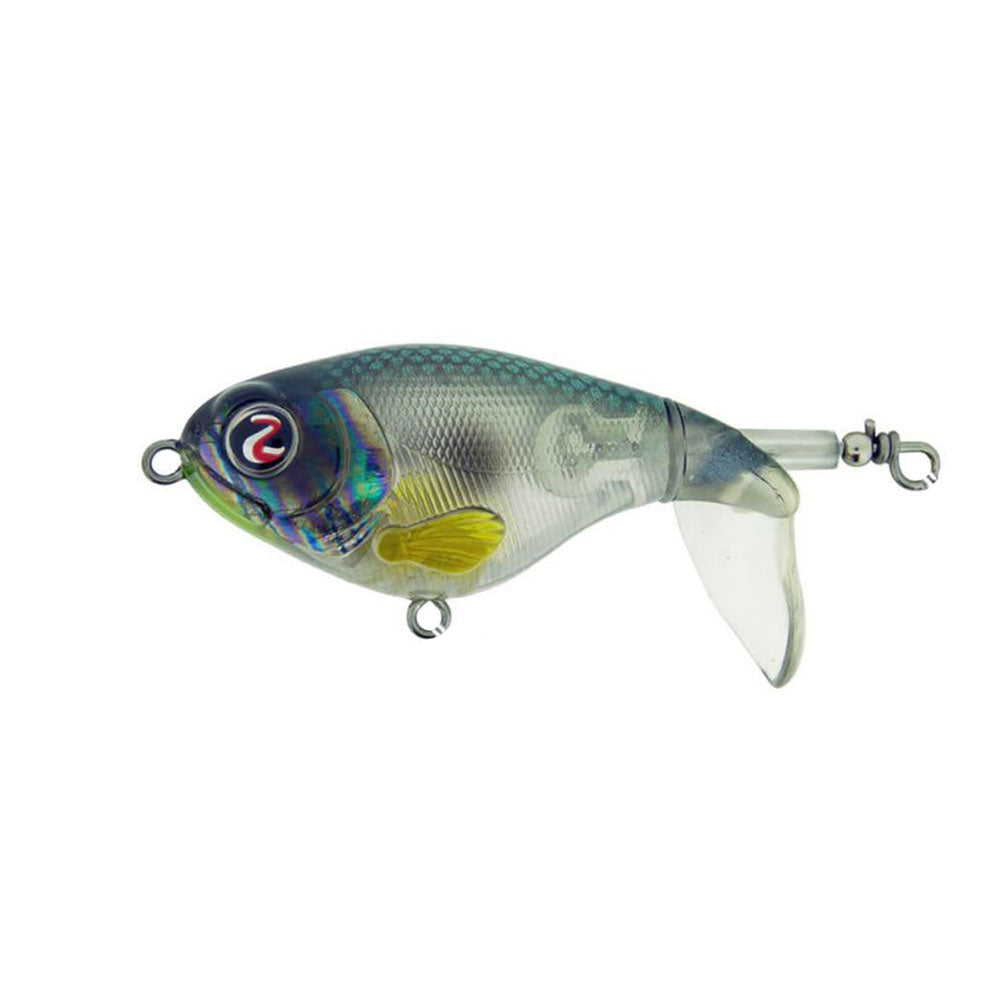
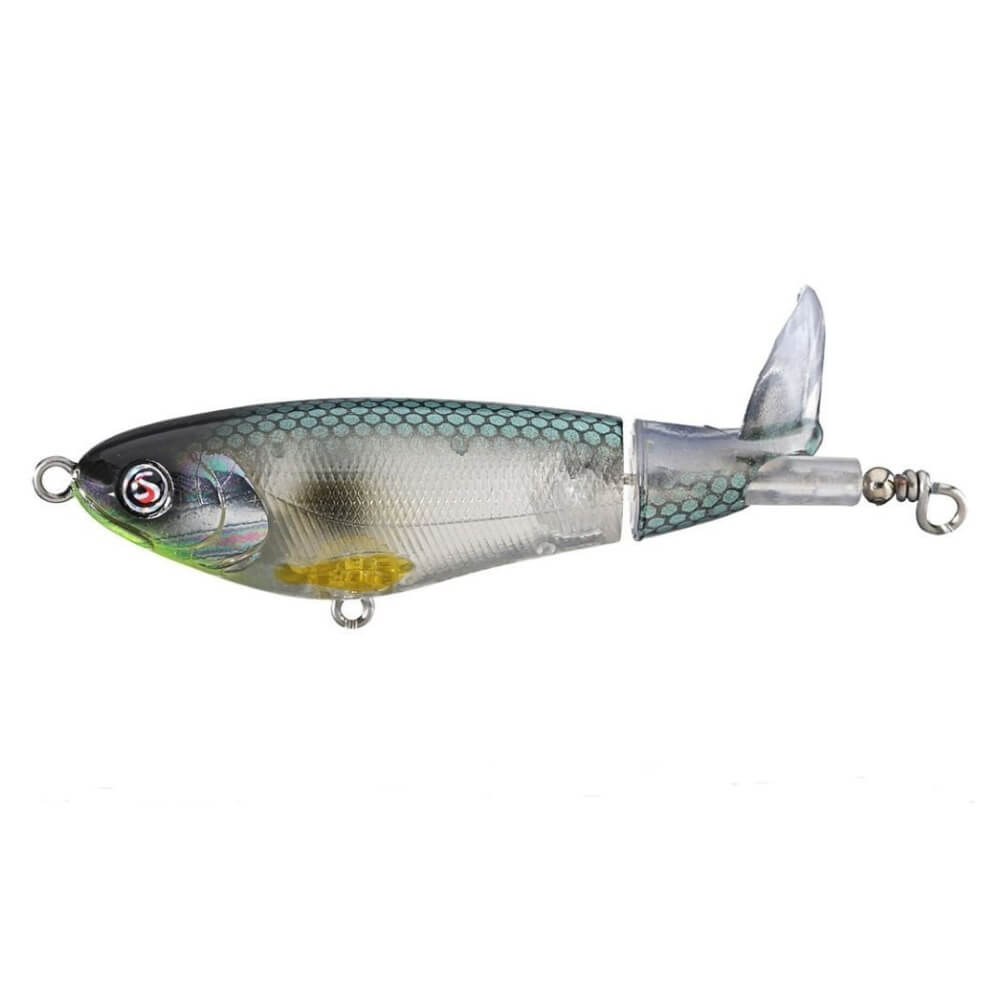
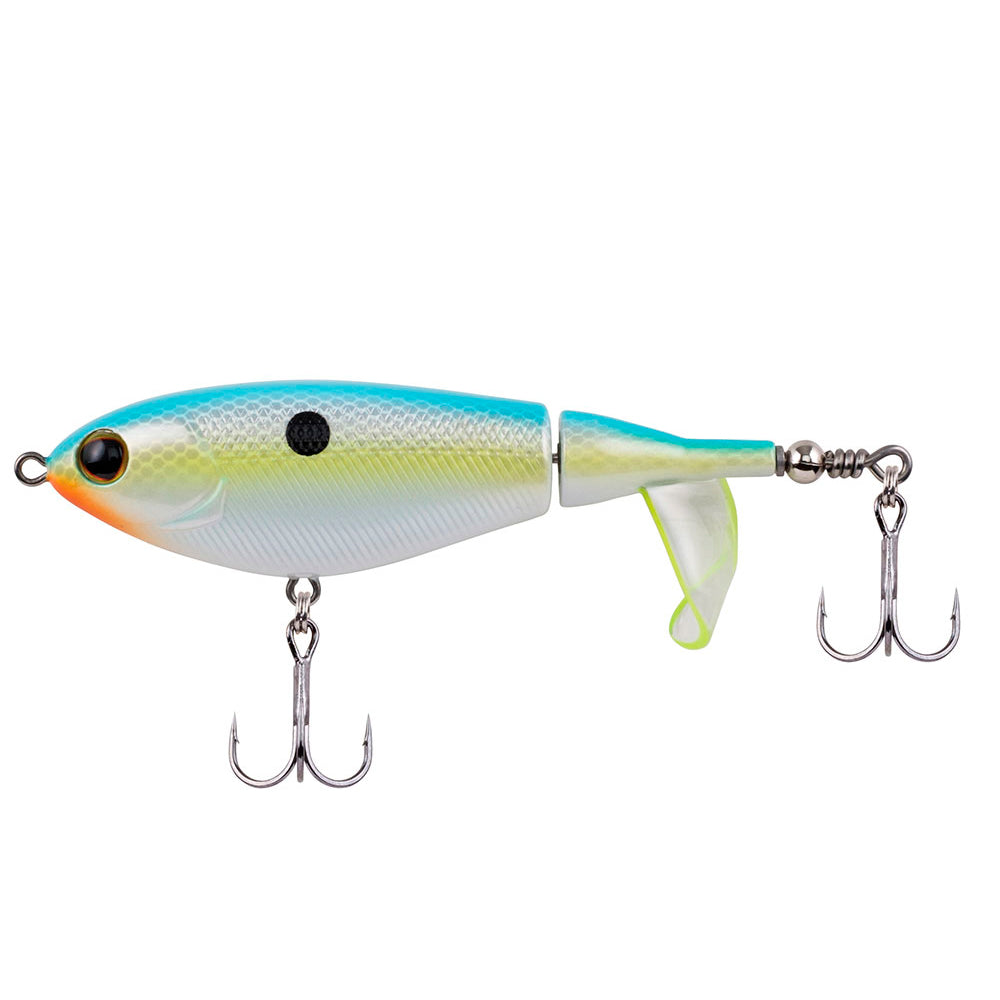
<p>Still somewhat less common here, <strong>prop baits</strong> replace the concave face with a spinning propeller that leaves a trail of bubbles and popping sounds on the retrieve. These surface lures originate from the USA, where they are used with great success on largemouth bass. They work brilliantly for asp - the straight, steady retrieve seems to drive these fish into a frenzy. Pike and perch are also happy to take them.</p><p>
<img src="https://cdn.shopify.com/s/files/1/0548/9197/0669/files/Whopper-Plopper.jpg" alt="Propbait: Whopper Plopper" width="275" height="111"></p>
<h3>Not Only for the Discerning: Frog Imitations</h3>
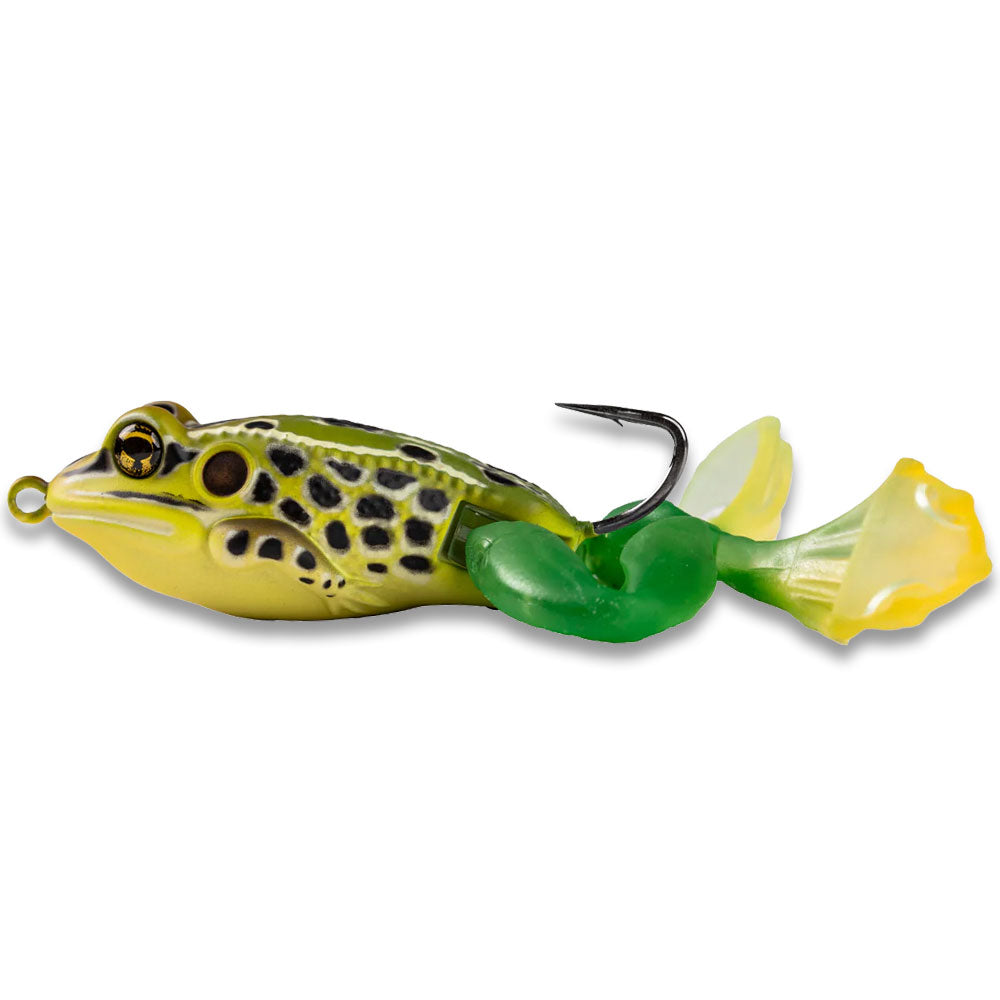
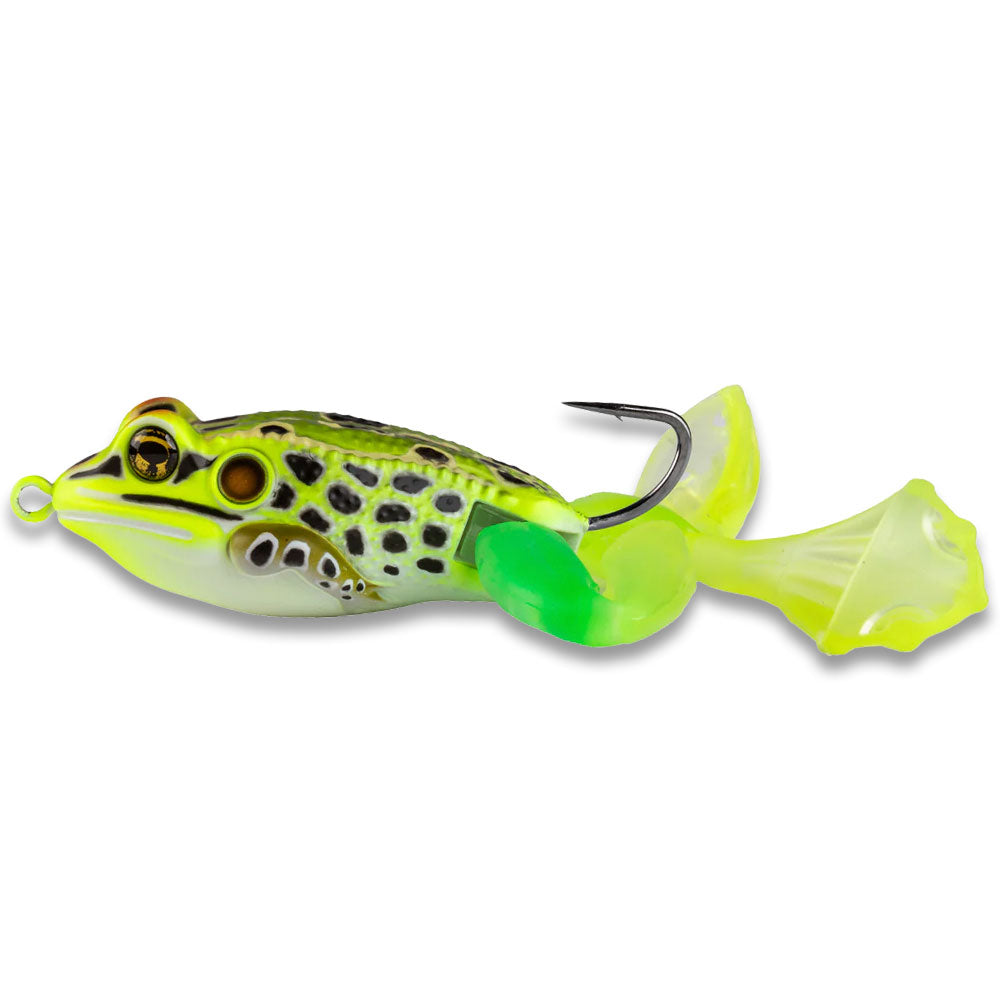
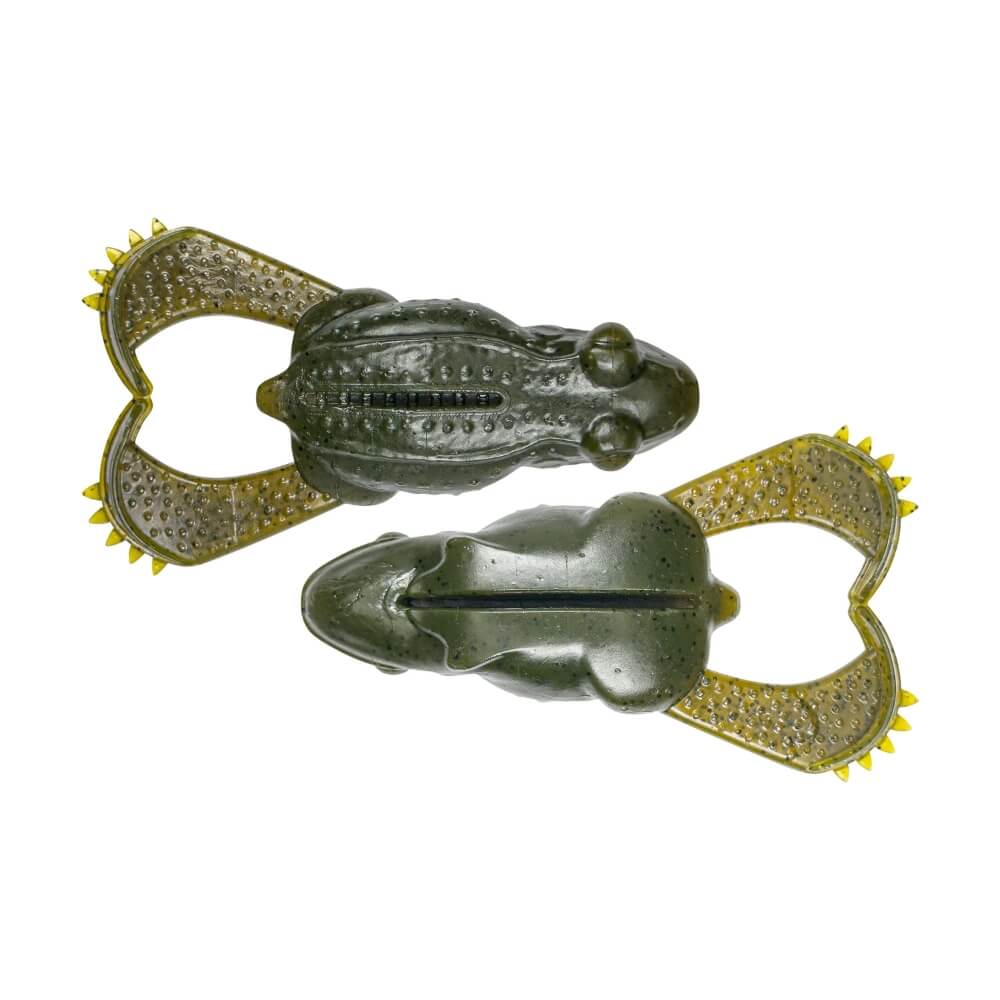
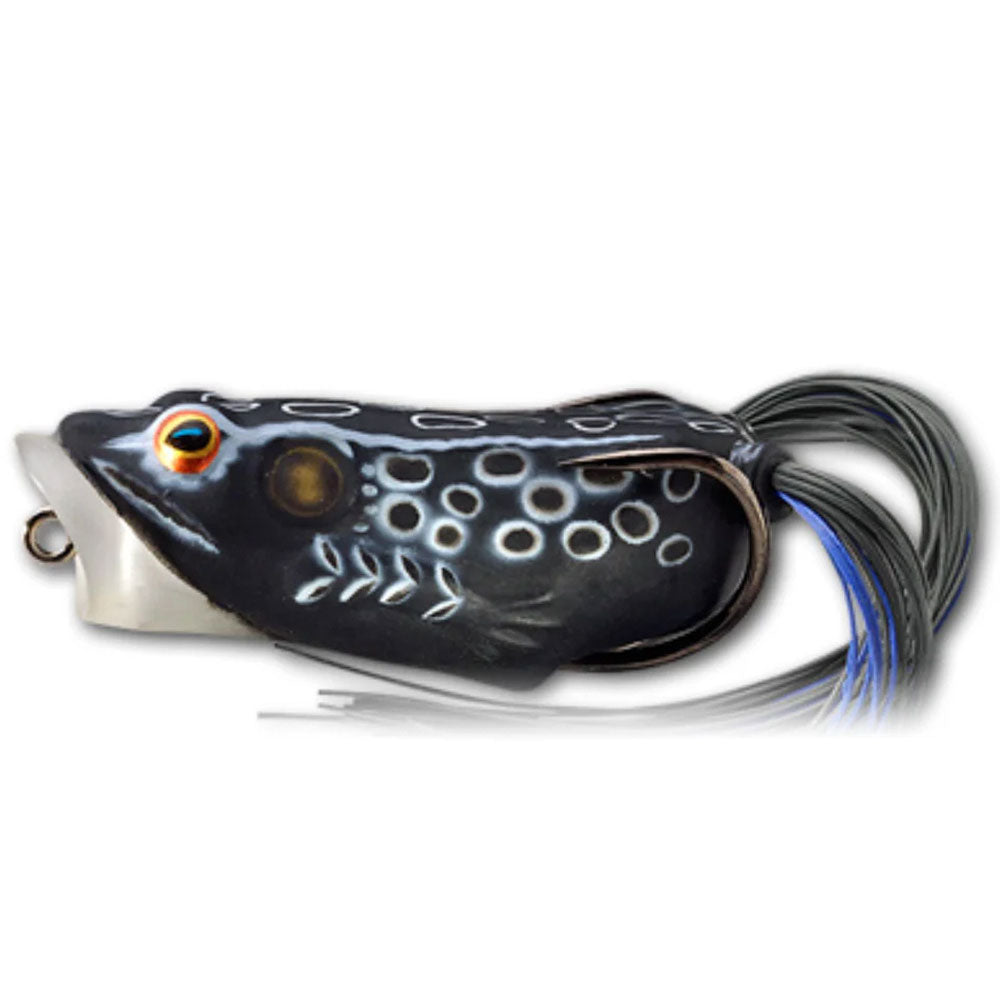
<p>Another interesting option in this category is the <strong>frog imitation</strong>. Frogs are well known as one of the pike's primary food sources and make a welcome change from fish-based prey, particularly in summer. These lures are especially worth using at and within lily pad beds and reed fringes.</p>
<p><img src="https://cdn.shopify.com/s/files/1/0548/9197/0669/files/River2Sea-Spittin-Wa-15-Bream.jpg" alt="Köder Froschimitat" width="200" height="200"></p>