










Save 40%
⭐ Top rated
💚 Lead-free


💚 Lead-free


⭐ Top rated


Save 33%


💚 Lead-free


Save 29%

Save 30%



Save 40%
Clearance


Save 35%

Save 22%


💚 Lead-free



Save 32%


Save 20%



Save 22%


✨ Variant restocked


Save 39%

Save 33%
⭐ Top rated


Save 40%




Save 30%


Save 44%

Save 50%



Save 33%


Save 33%

Save 38%




Save 36%


Save 48%


Save 30%
💚 Lead-free

Save 31%
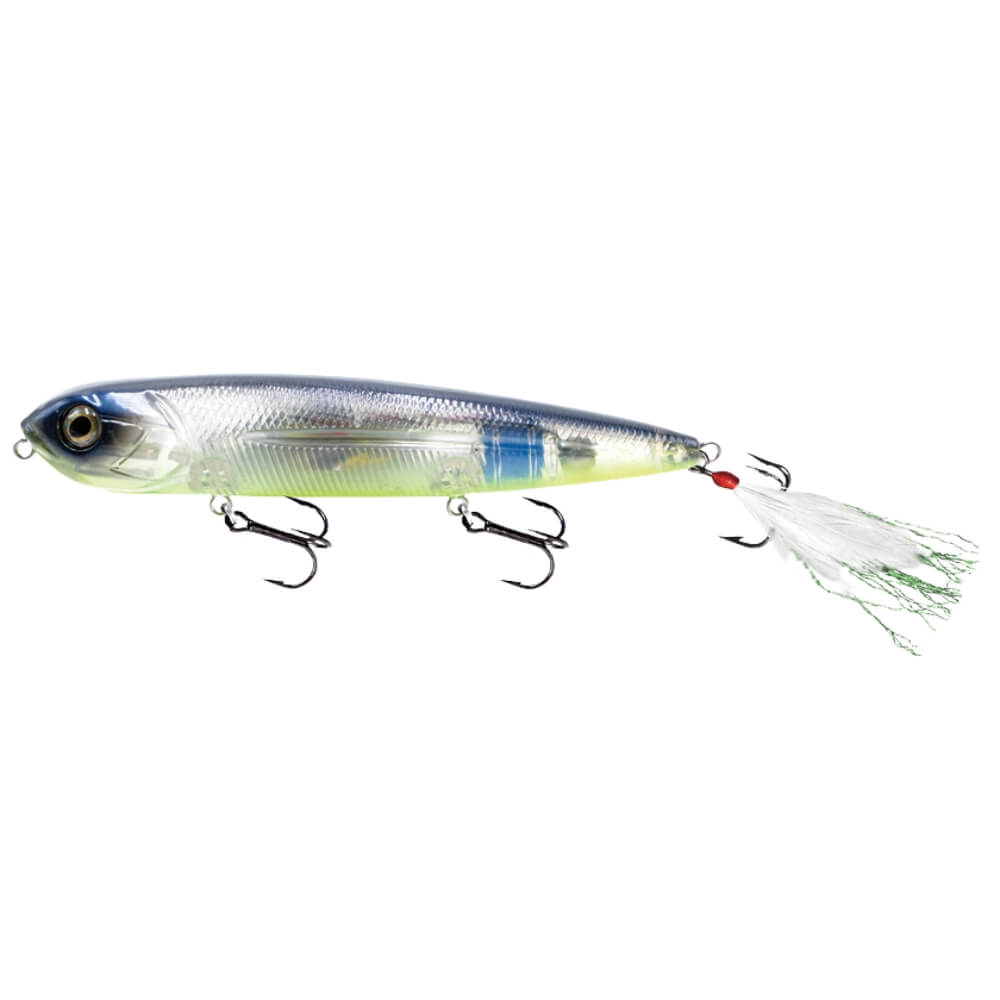

Save 20%
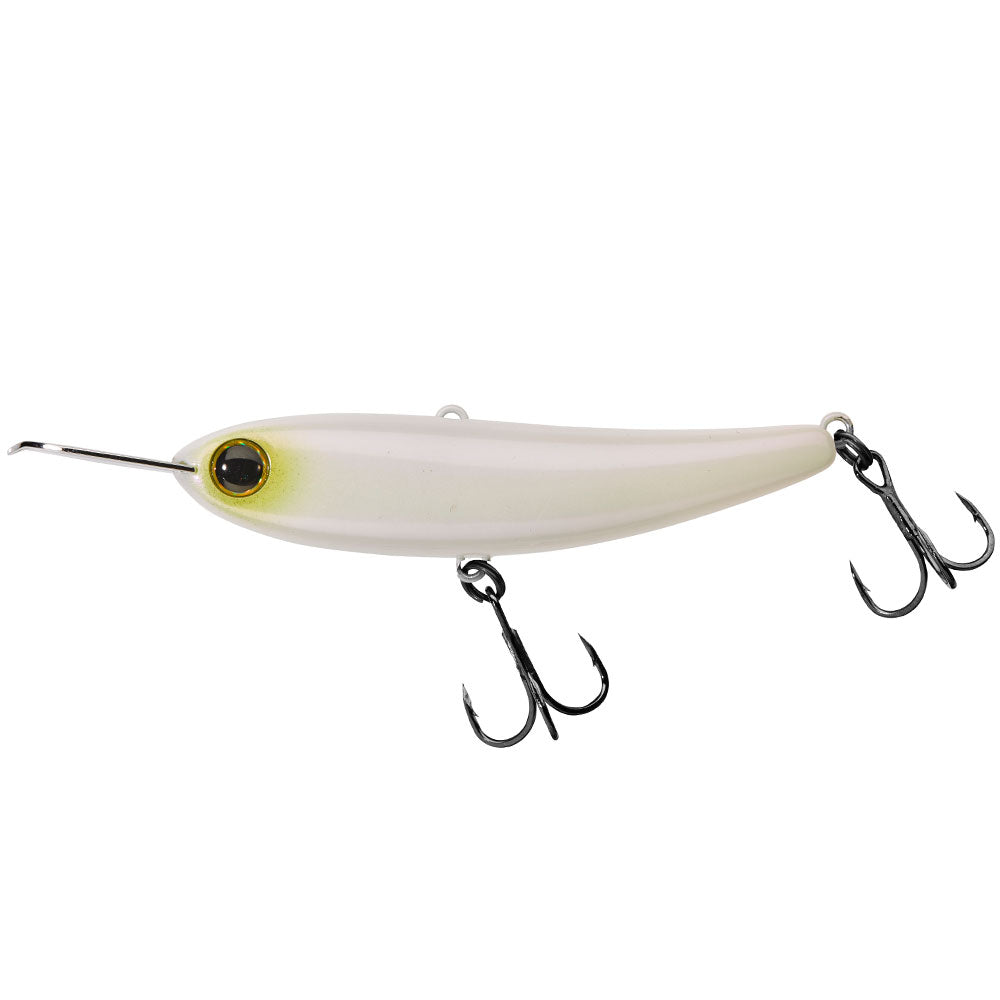
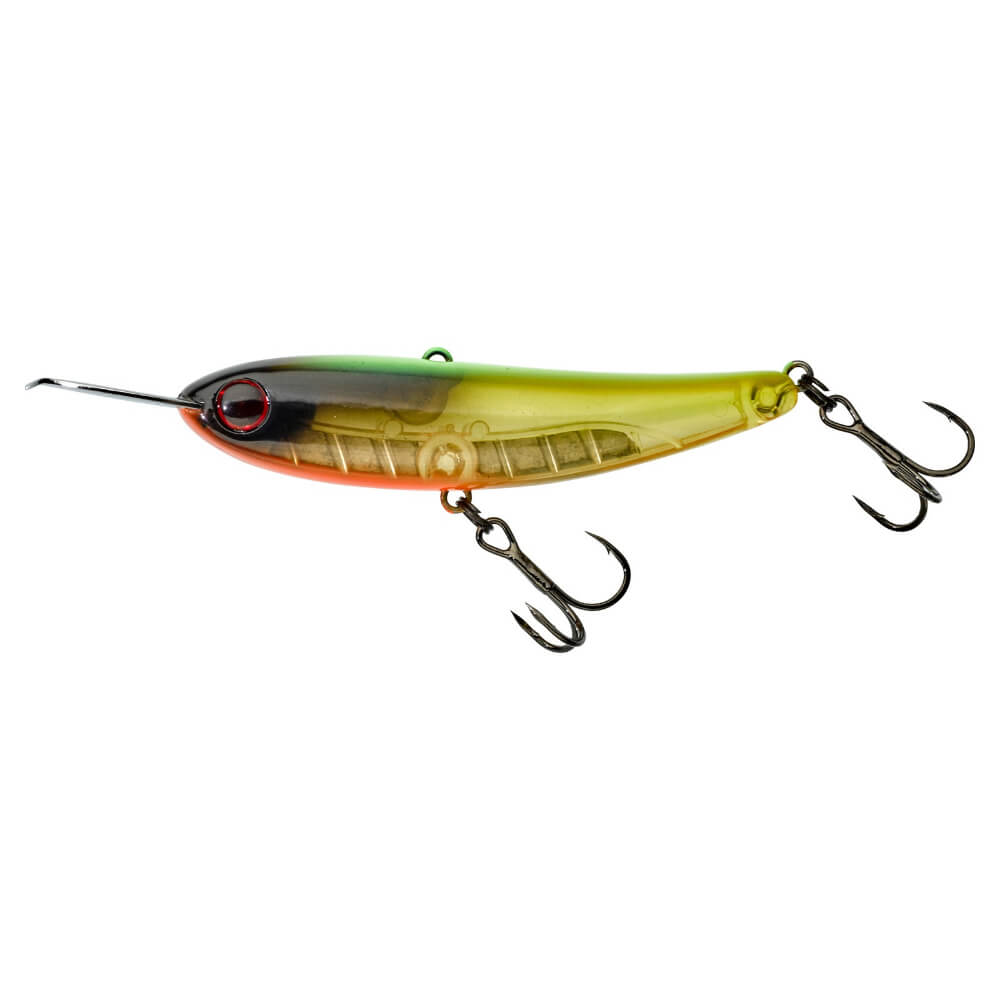
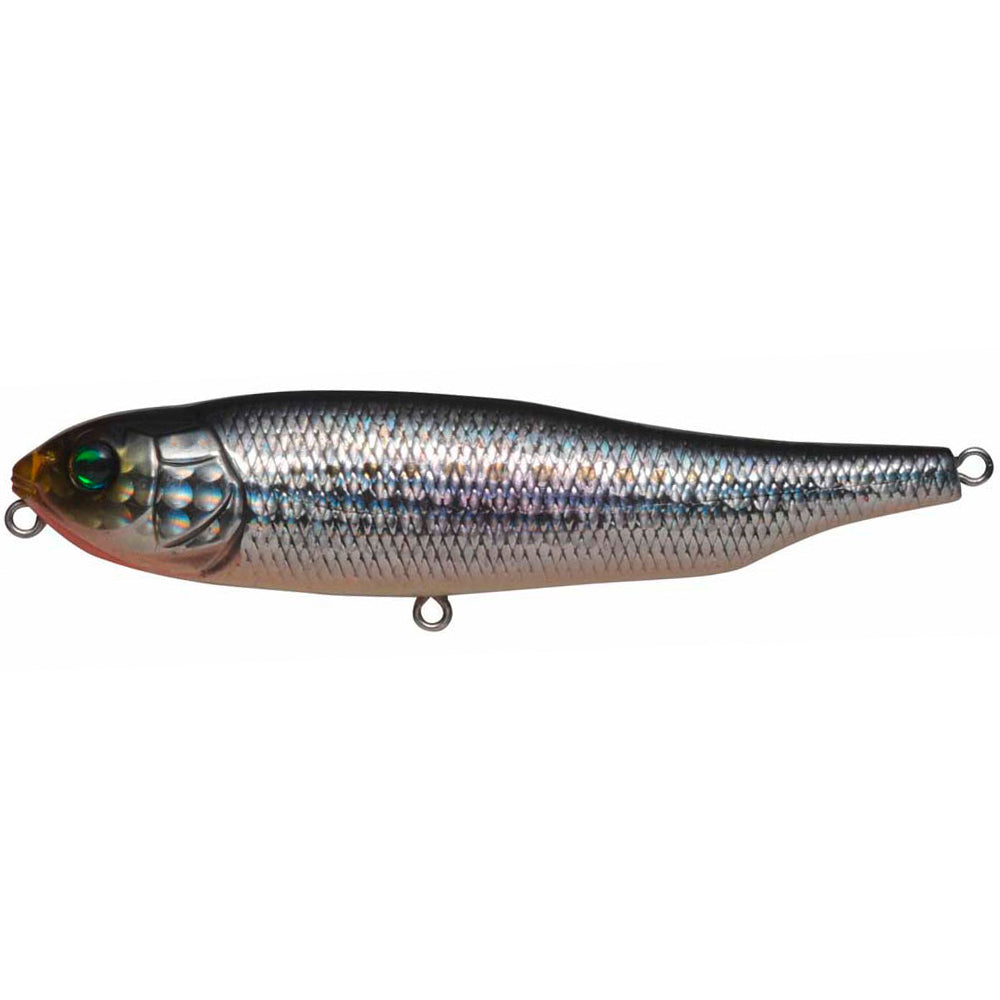
Save 11%
💥 NEW
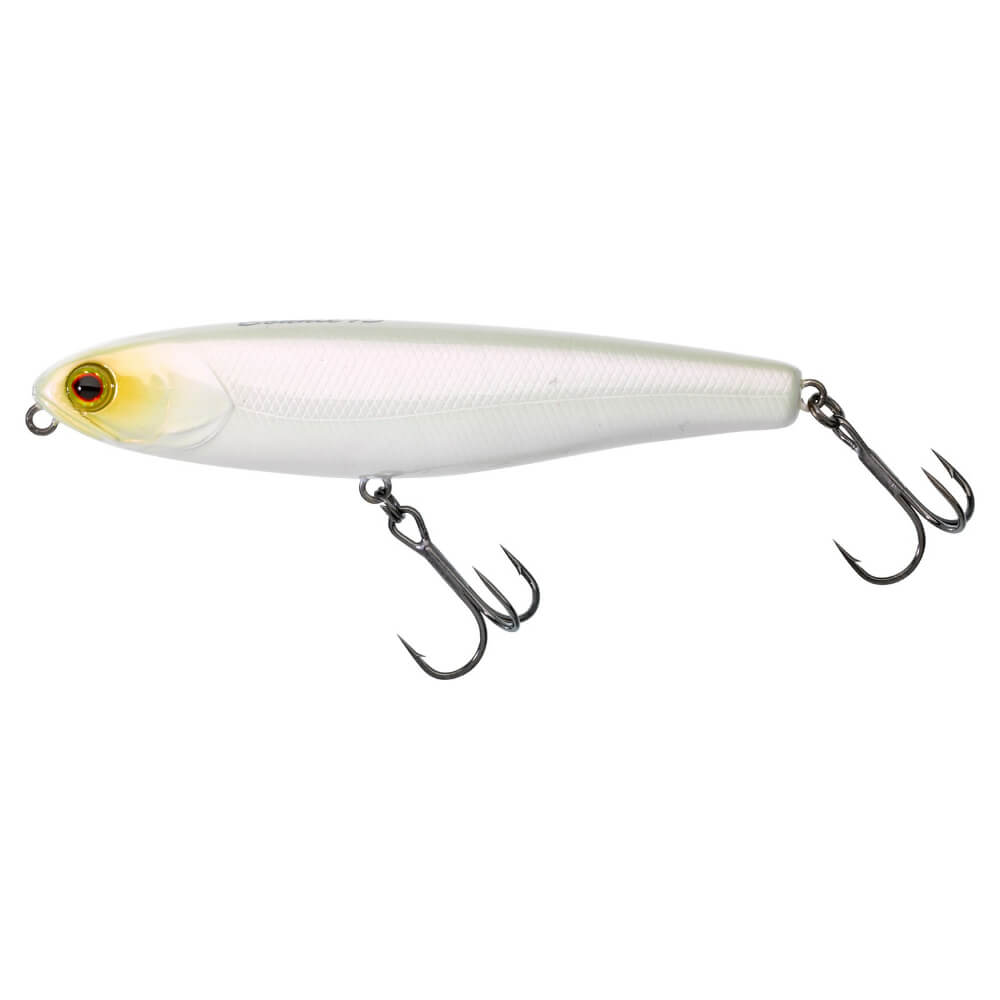

Save 43%

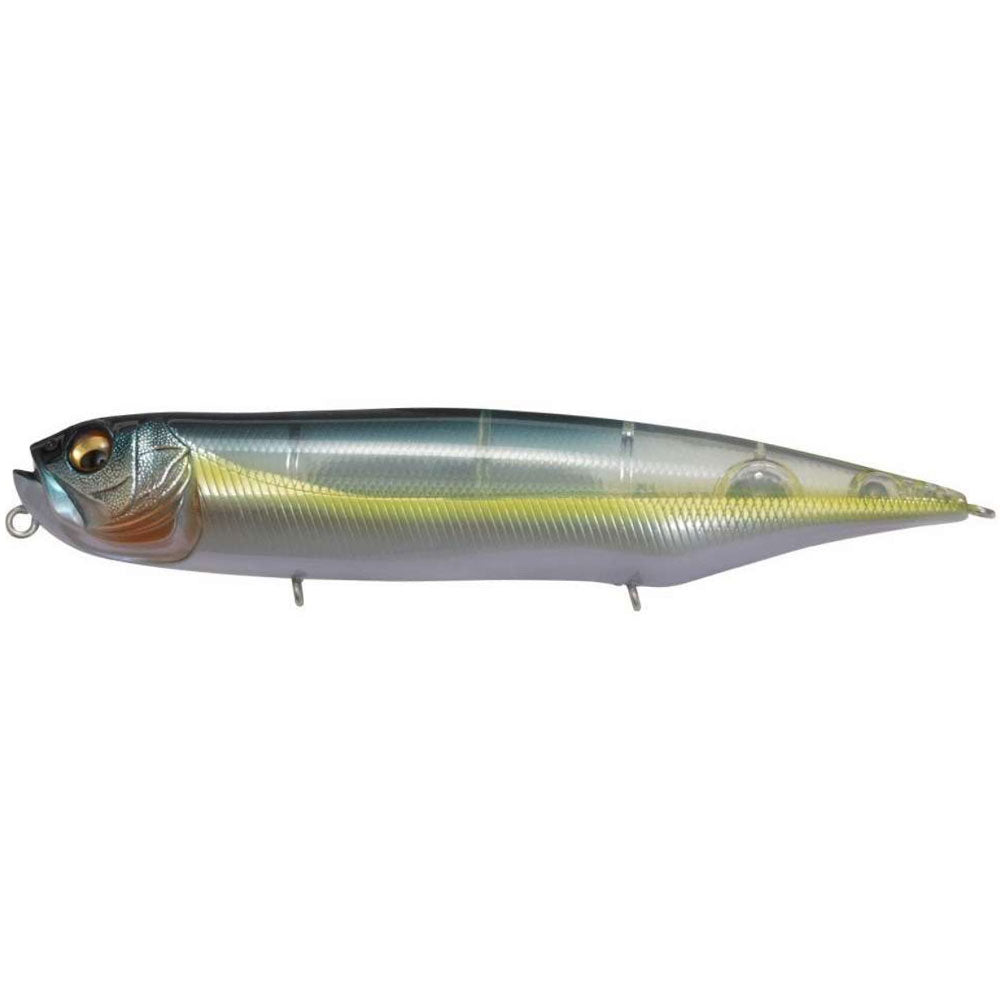
Save 43%


Sold out


Sold out


Frequently asked questions
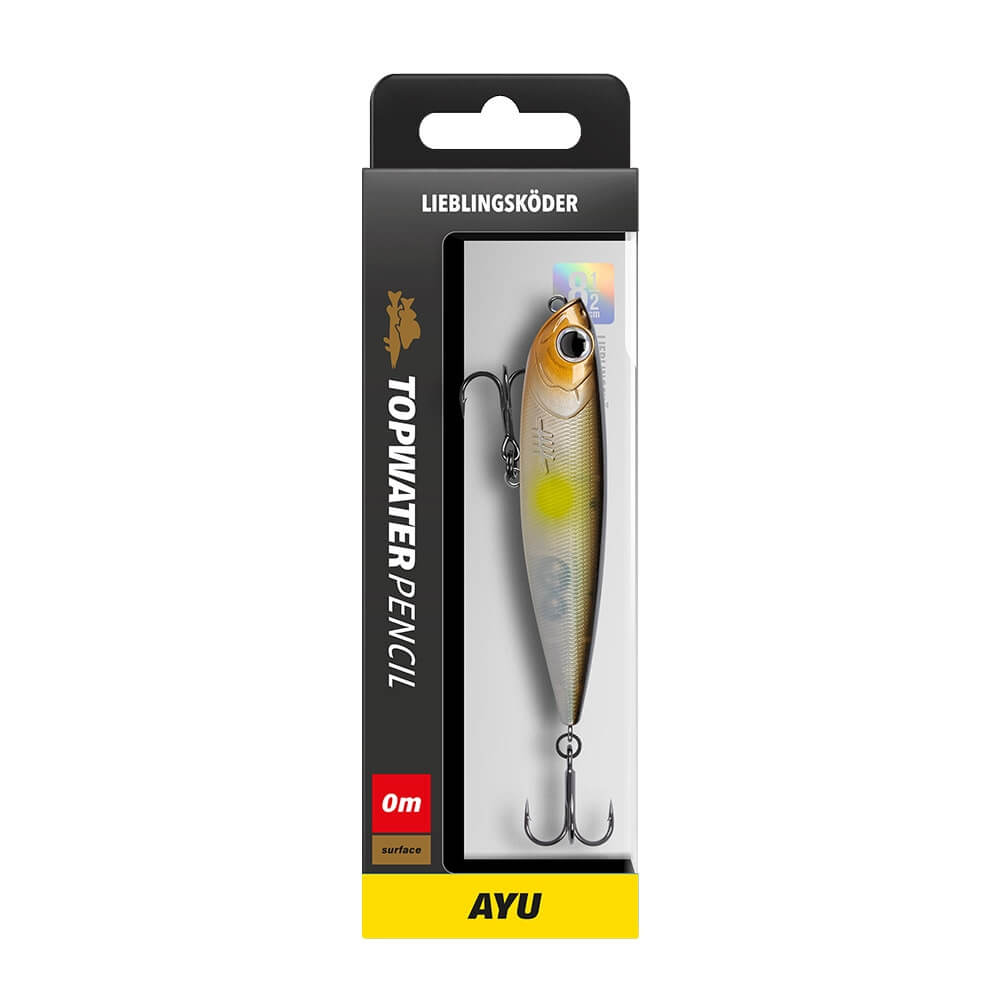
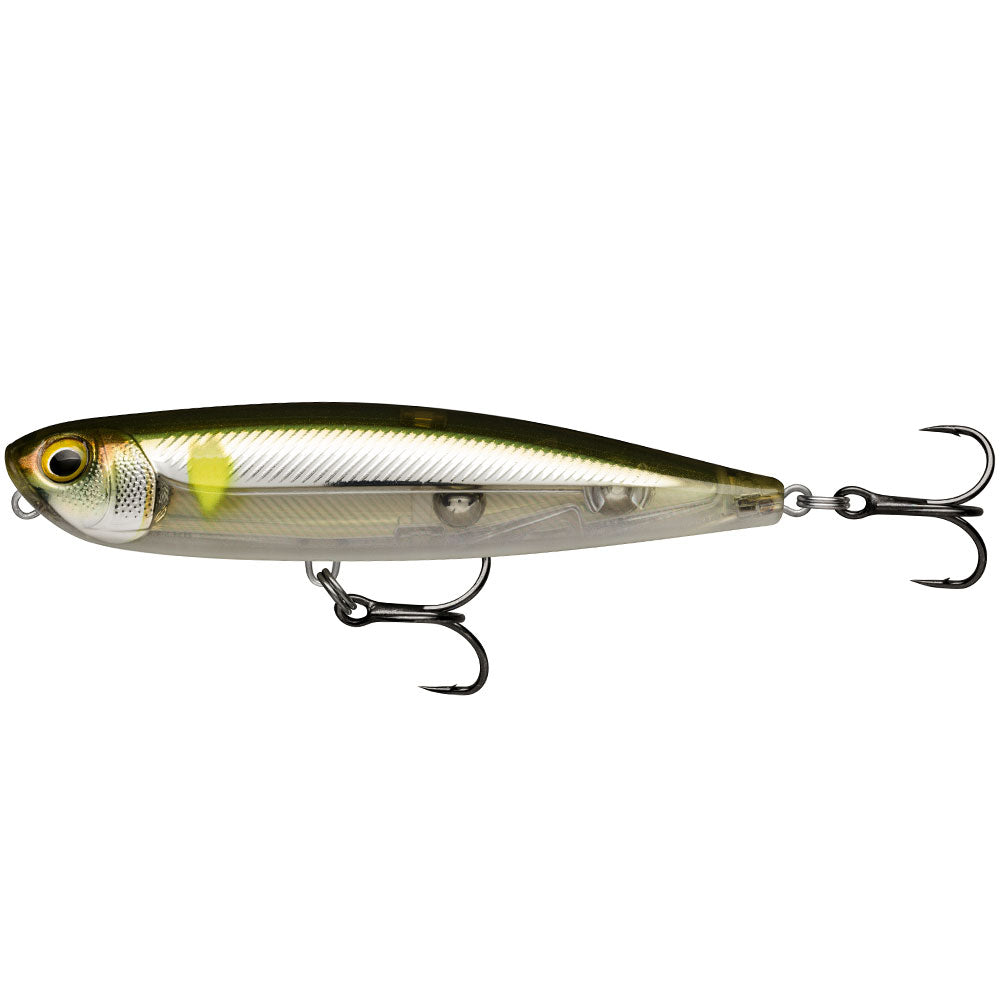
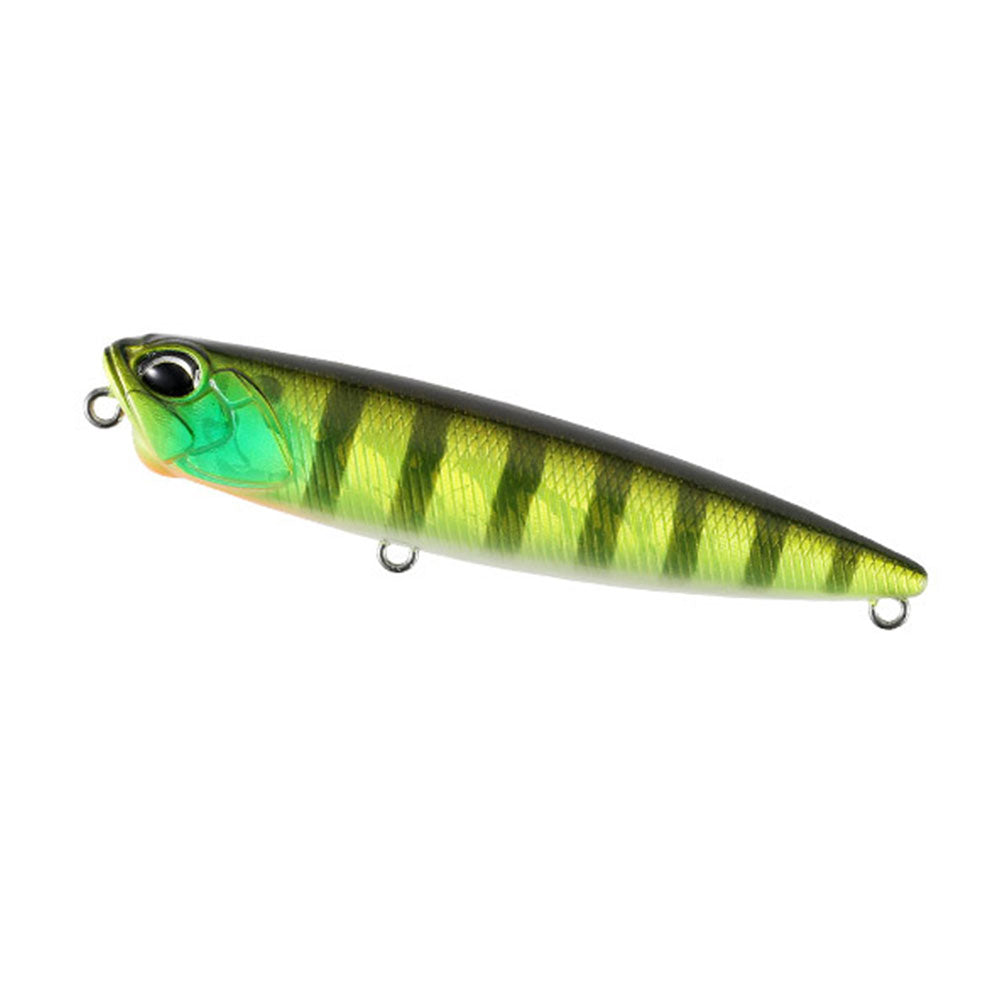
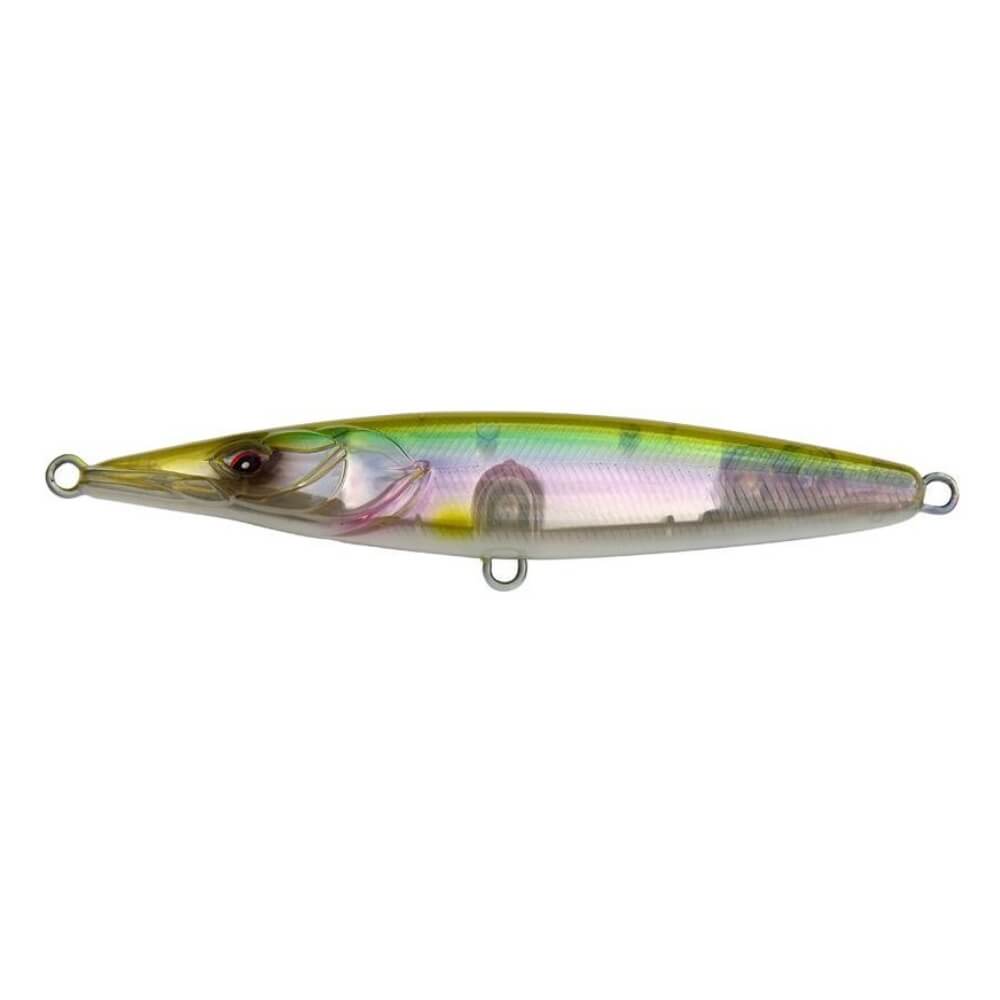
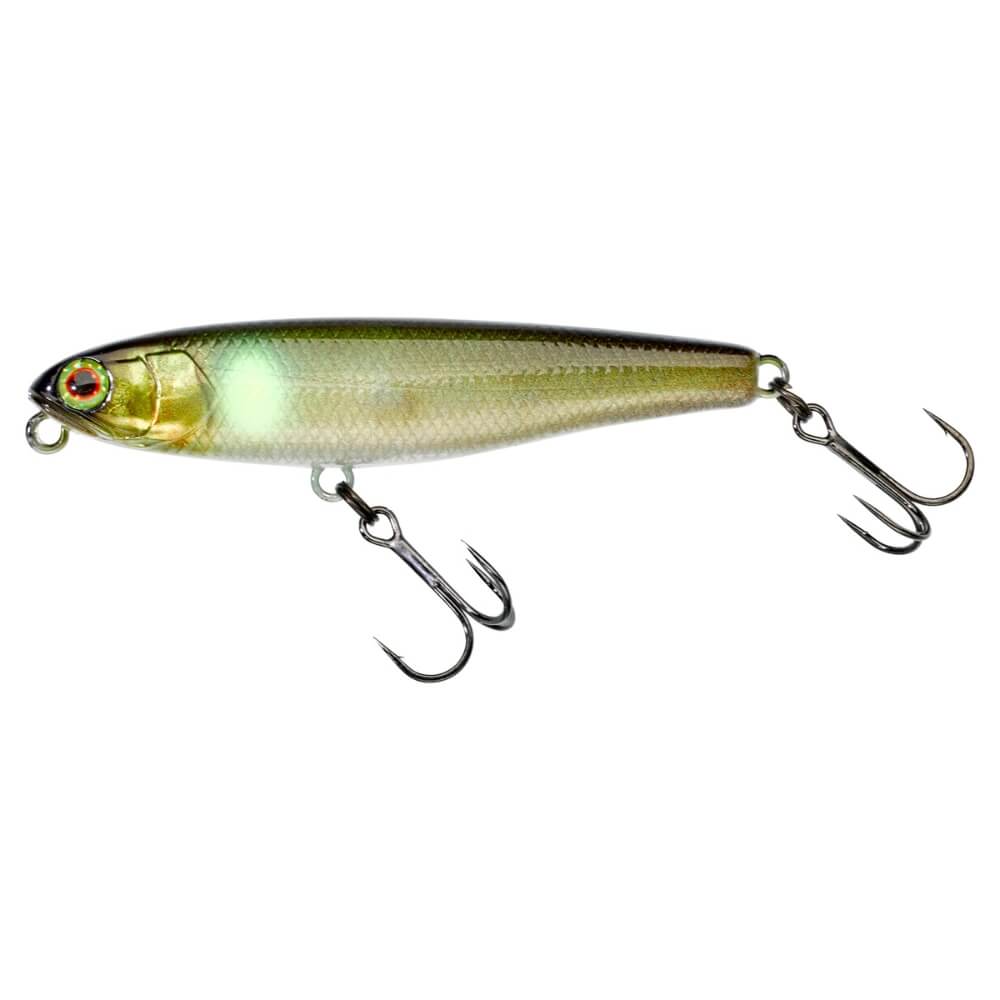
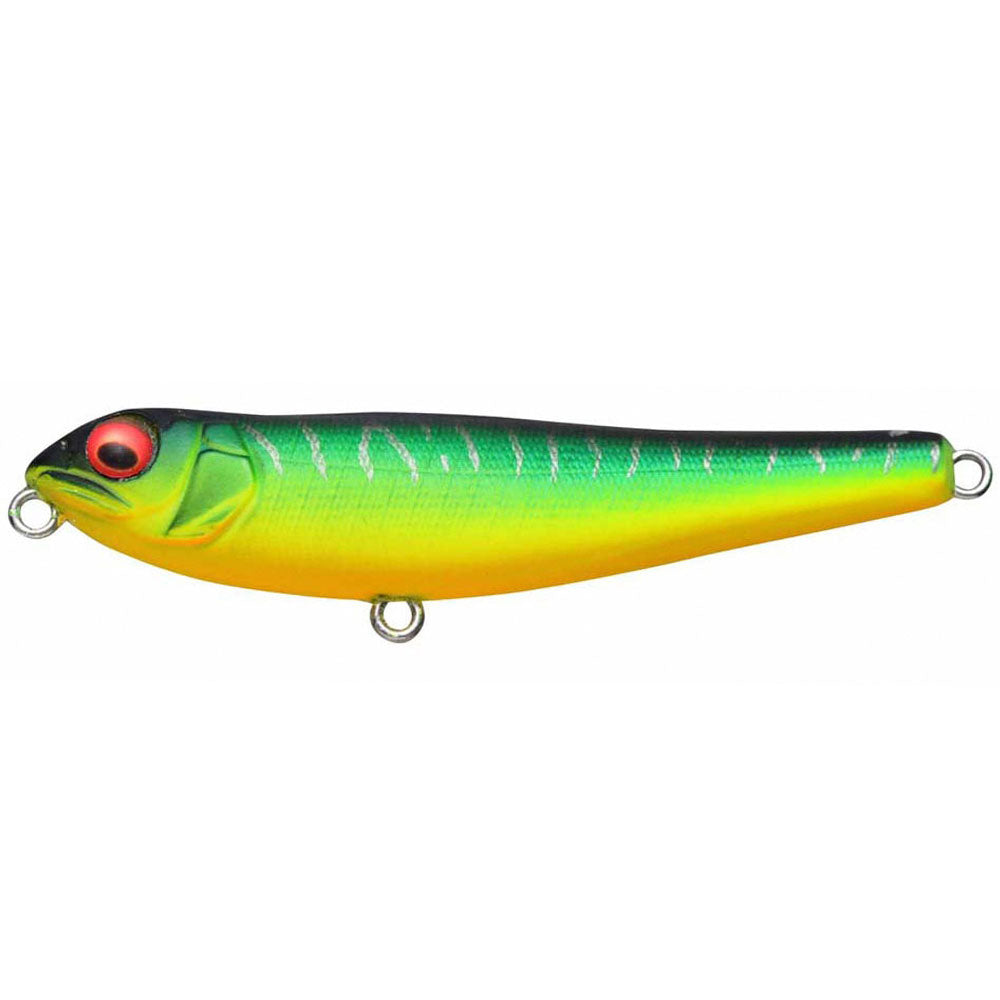
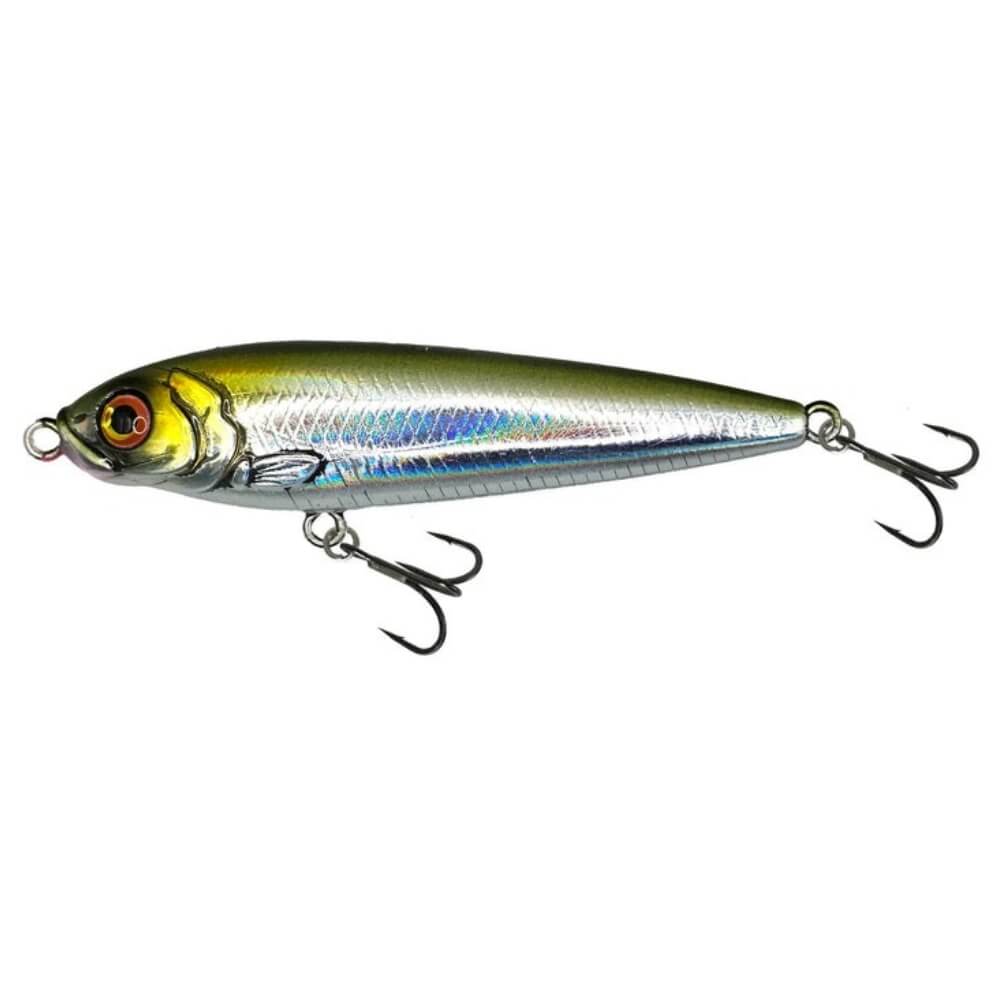
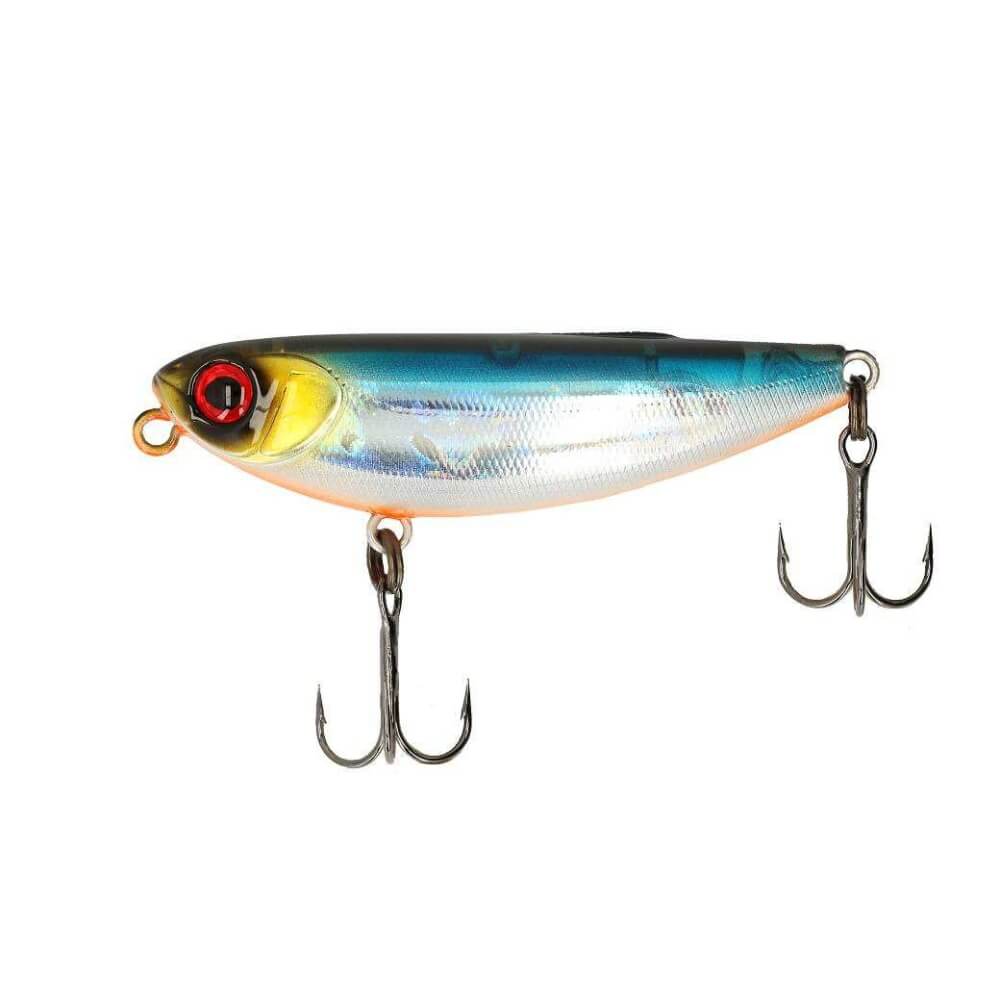
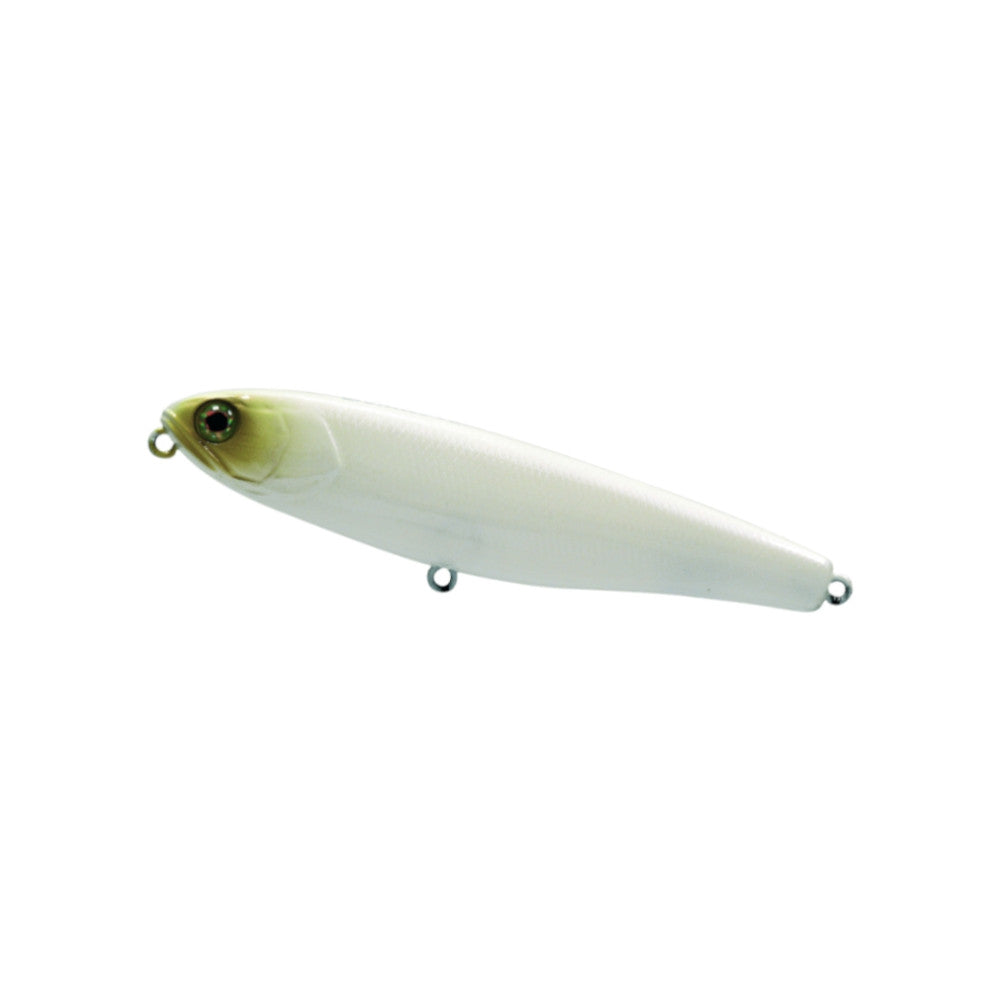
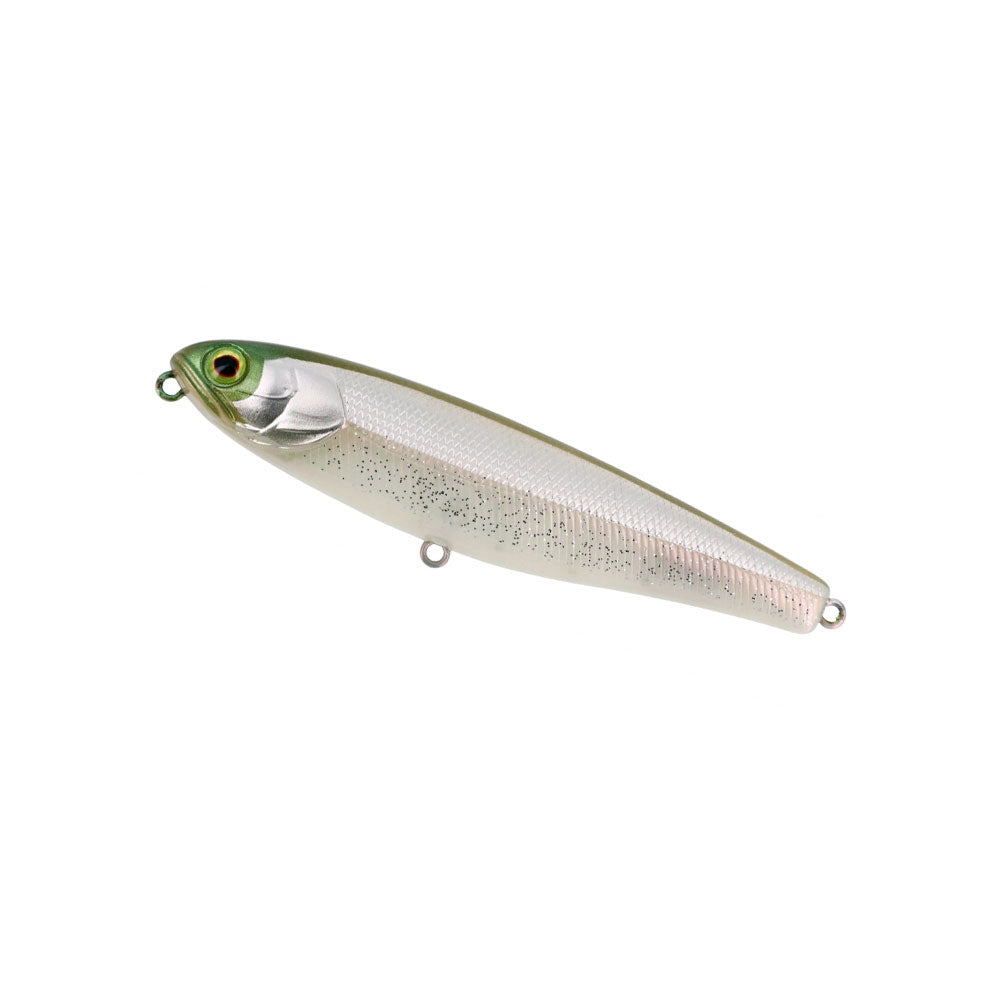
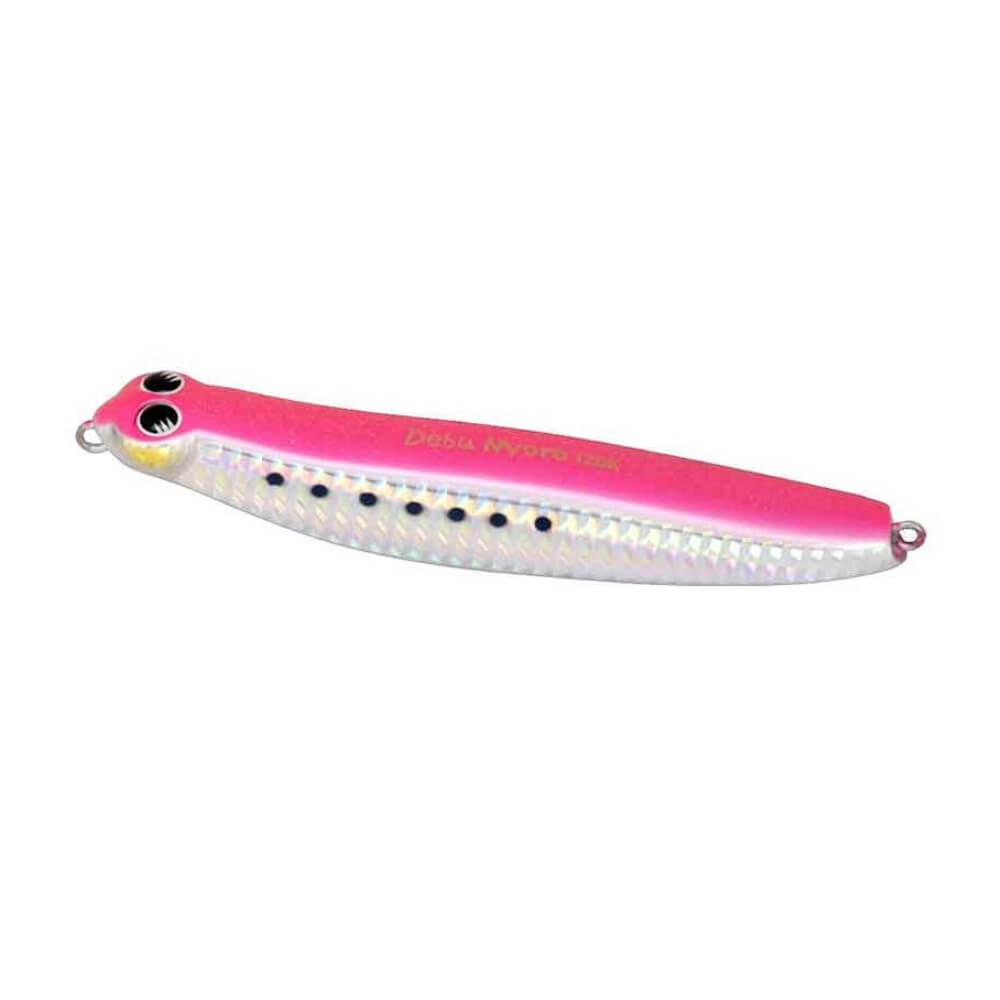
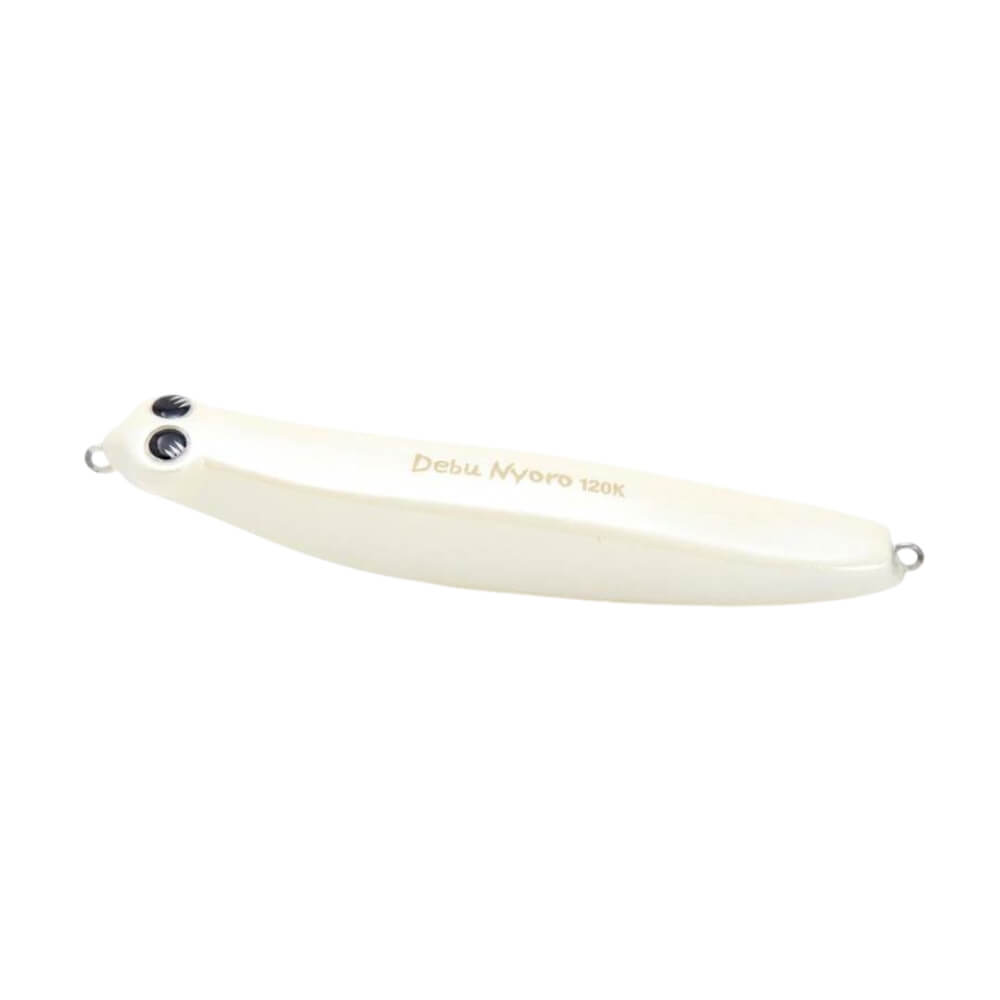
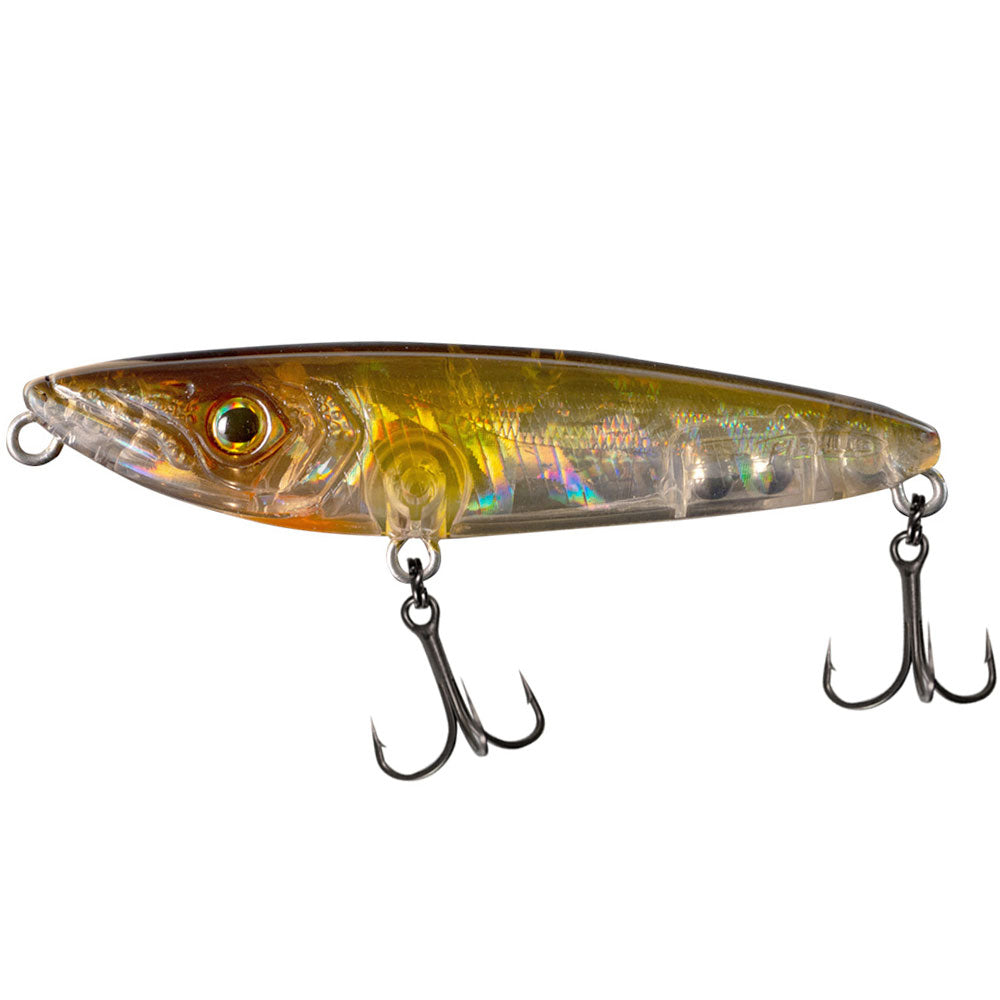
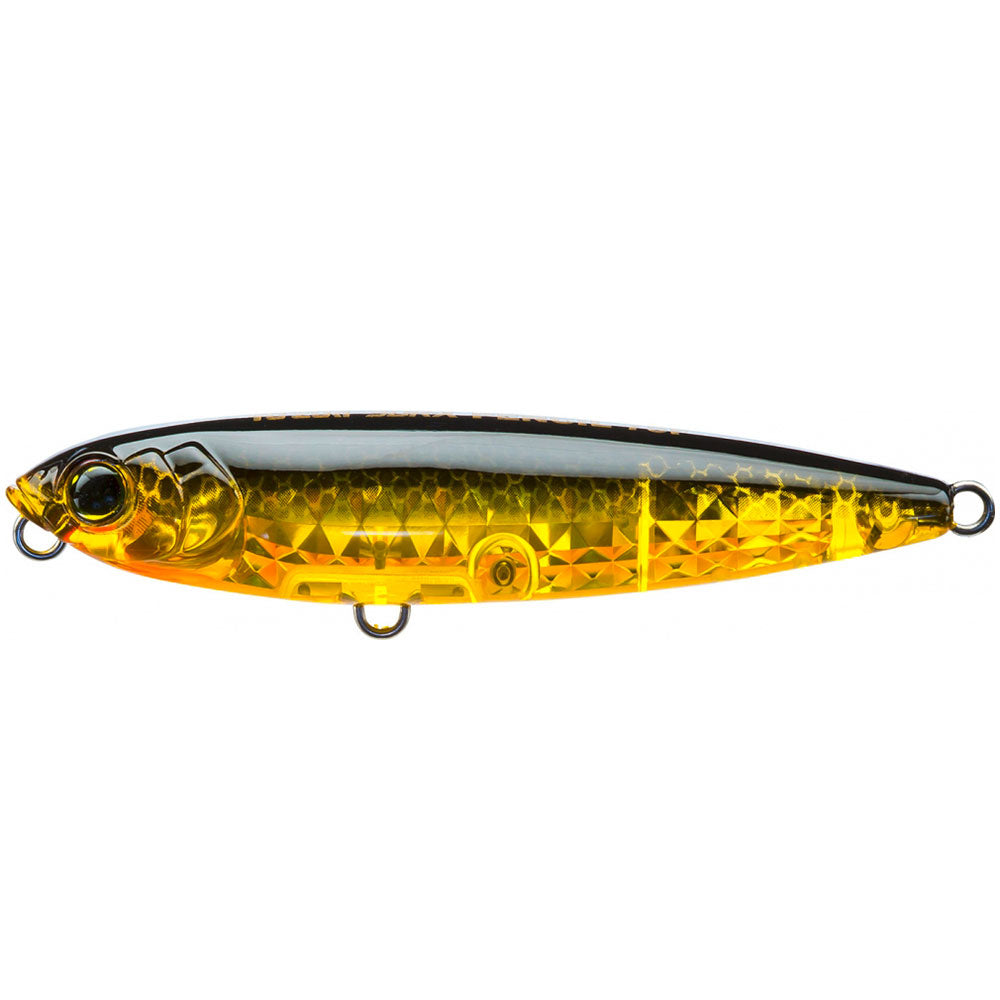
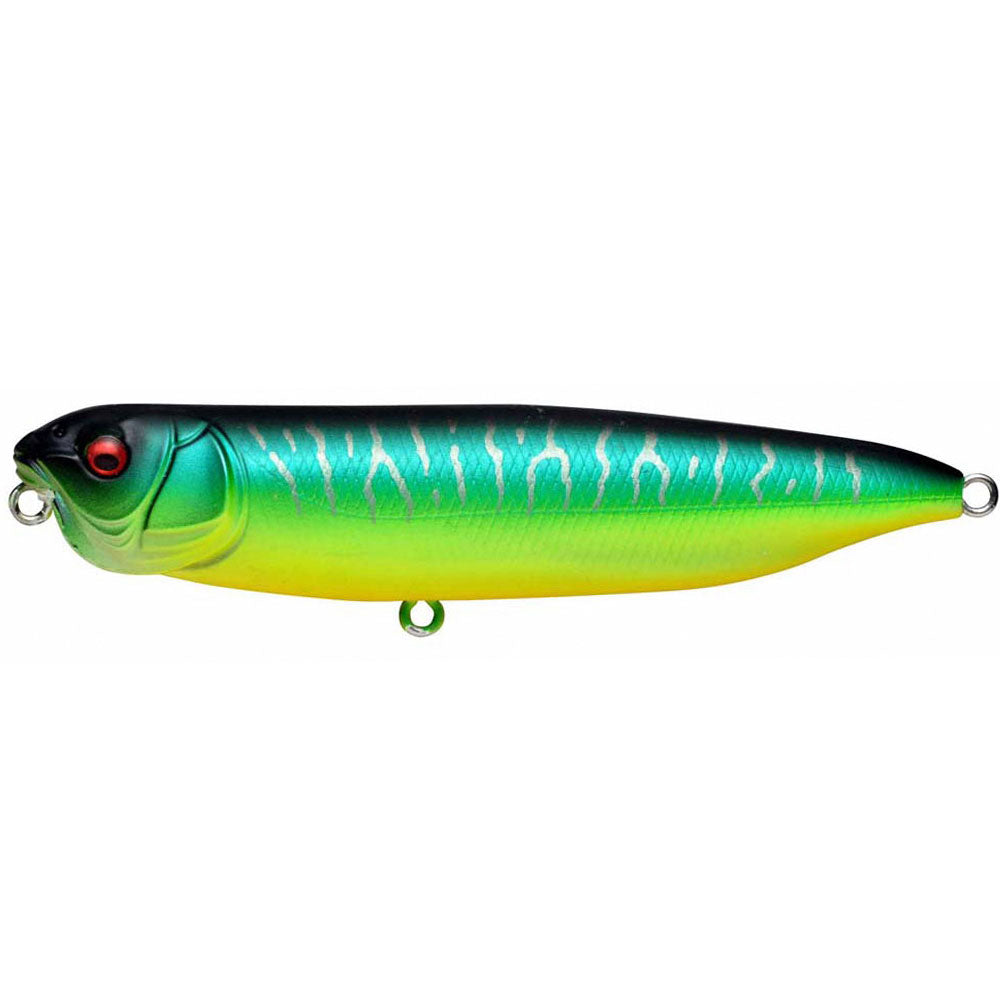
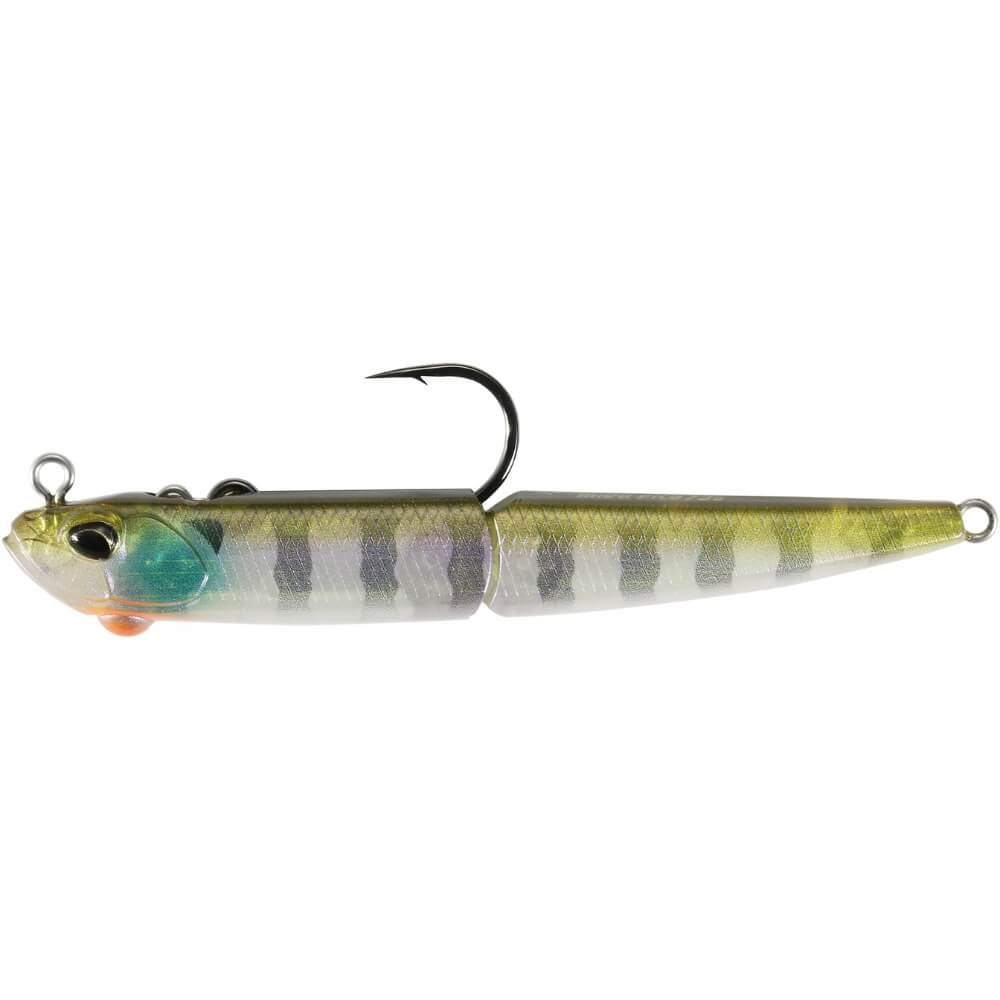
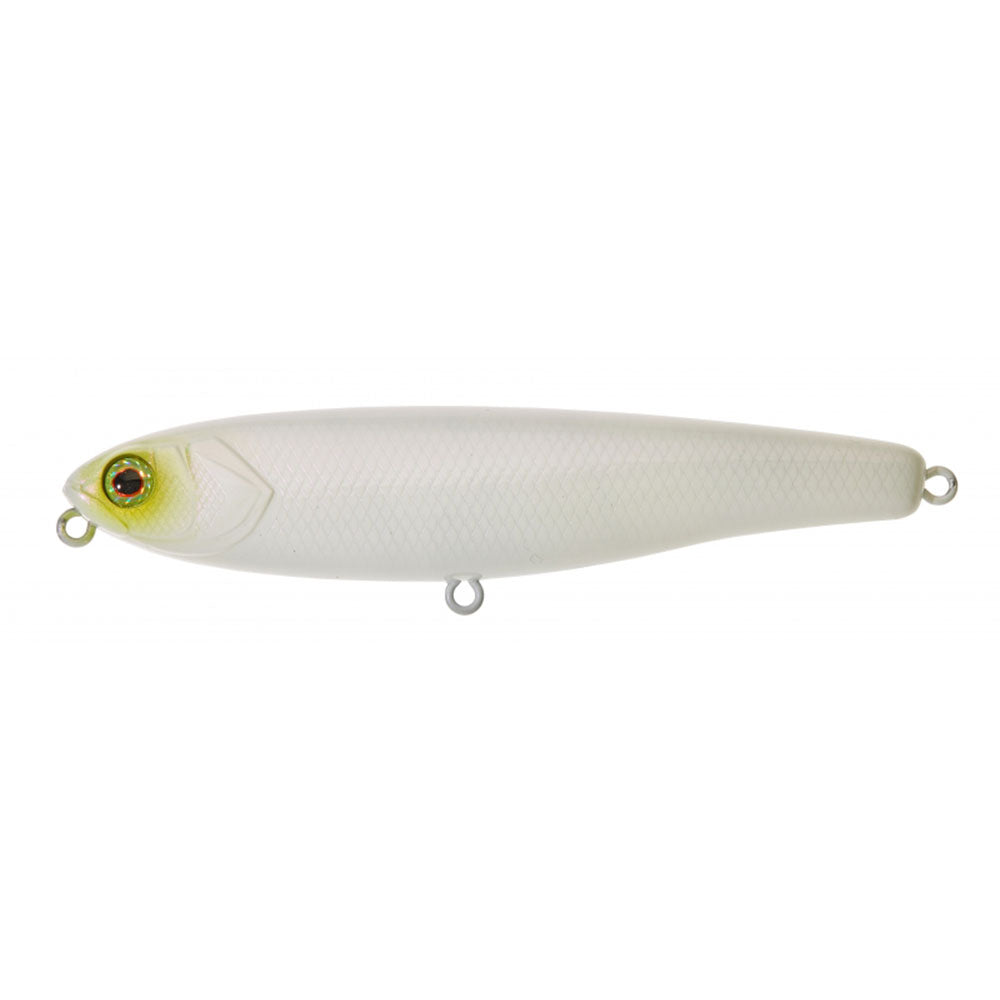
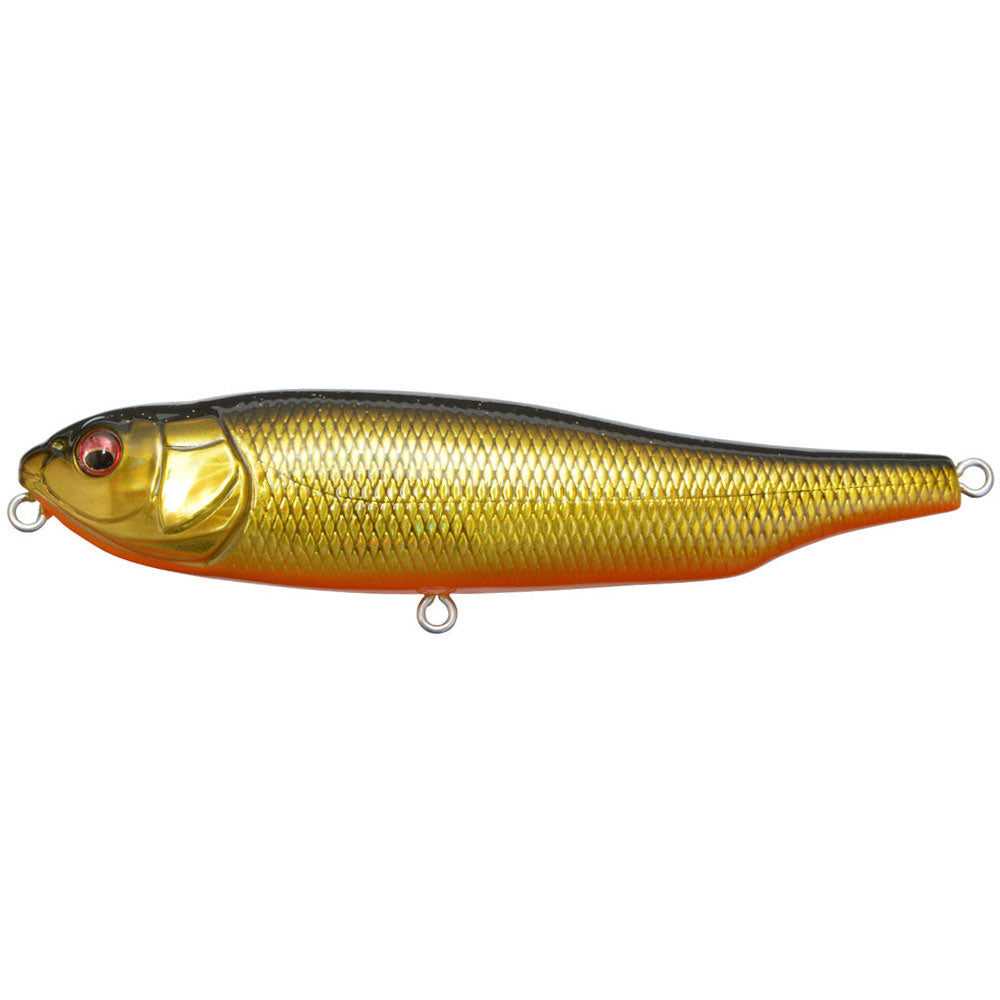
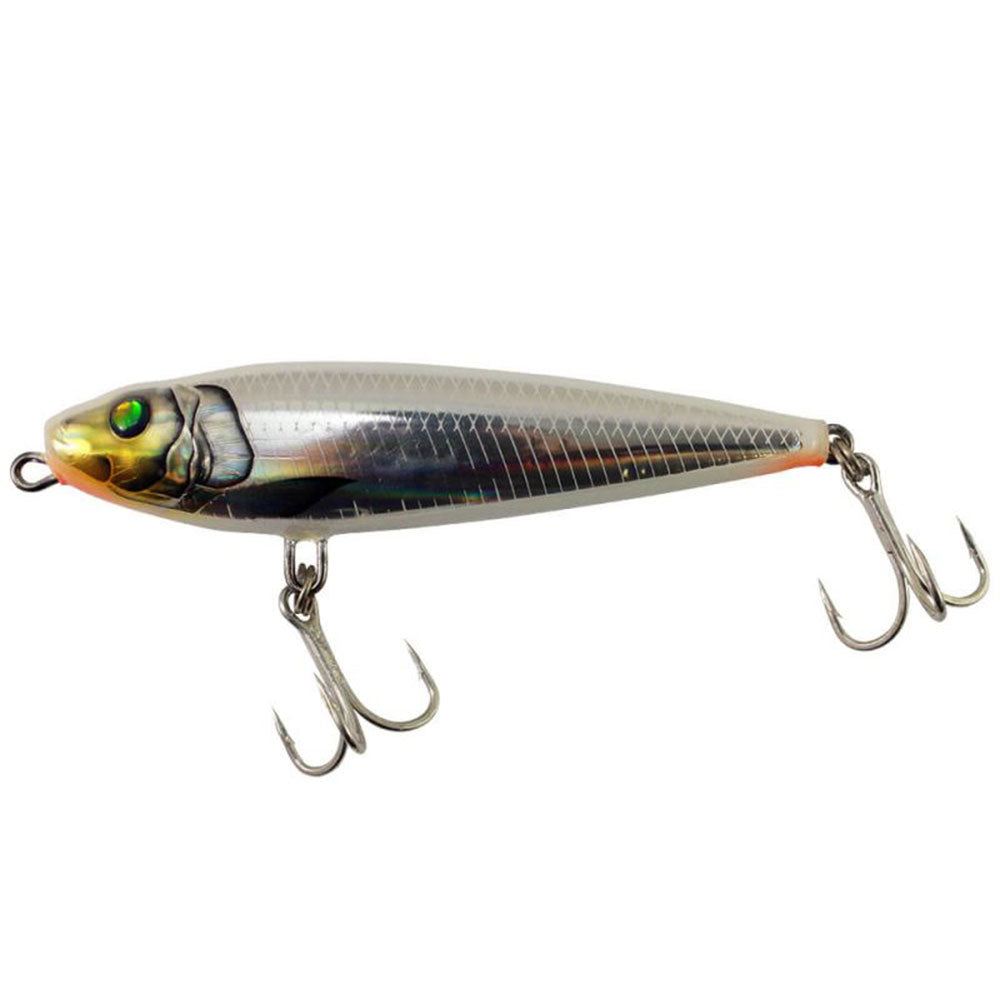
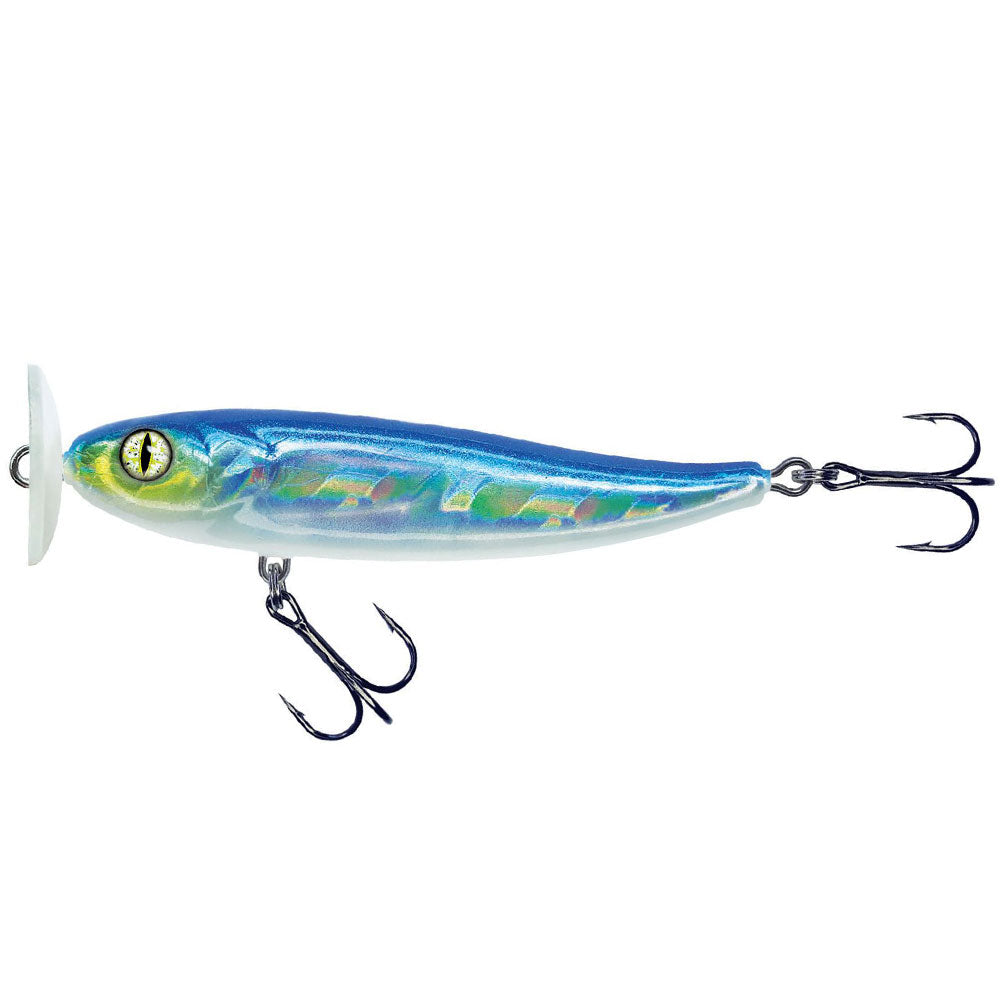
Stickbaits look like plugs without a lip. They have no built-in action of their own - that action is given to them through rod animation.
Most stickbaits run on or just below the surface. Some models can be fished deeper and are used mainly in tropical saltwater fishing.
Illex, DUO-International, Daiwa and Rapala all offer a great selection of proven stickbaits.
Perch and asp are particularly fond of stickbaits and are the main targets. When fishing larger stickbaits from ten centimetres upwards, you can also target pike or saltwater predators.
You can fish stickbaits on any spinning rod, as long as the casting weight matches the lure weight. Stiffer rods work especially well, though the action should be regular or regular-fast rather than extra-fast.
You animate it with short, sharp twitches of the rod tip into a slightly slack line. It helps to keep the rod tip pointing roughly towards the water, which gives you the best angle.