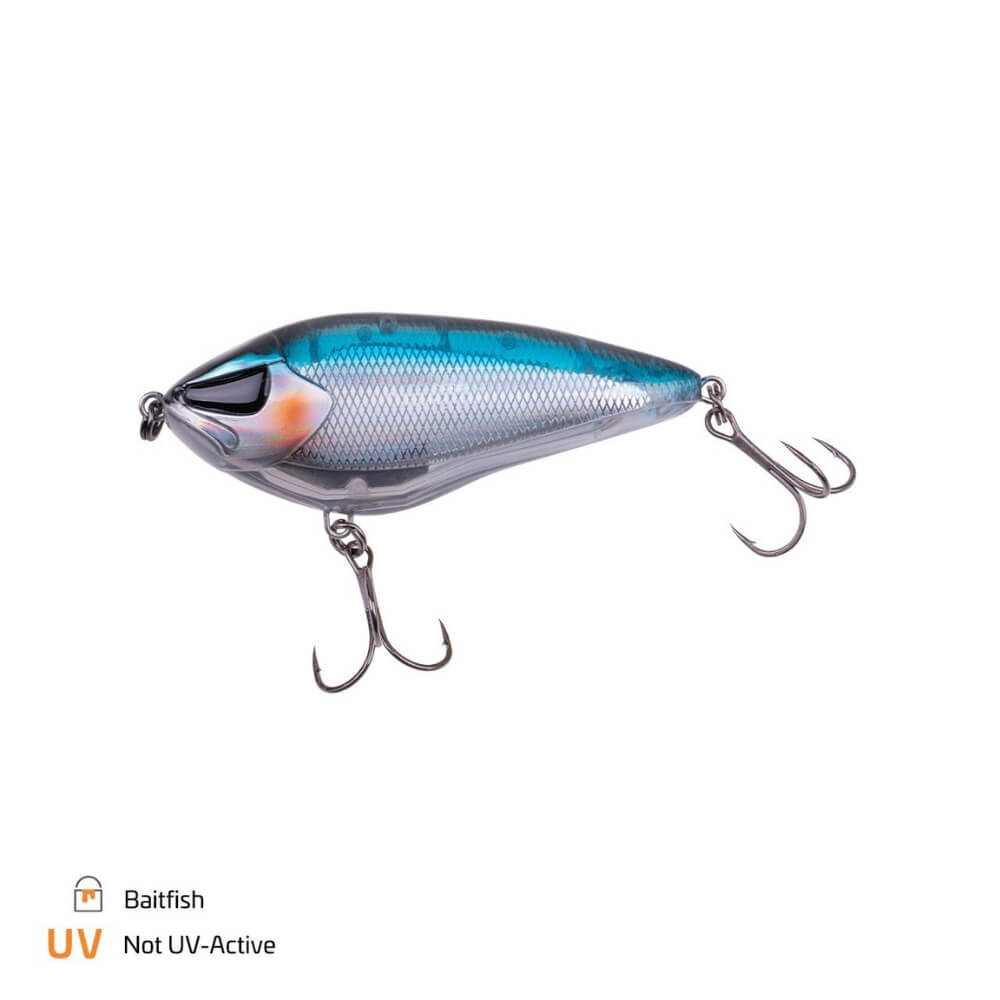
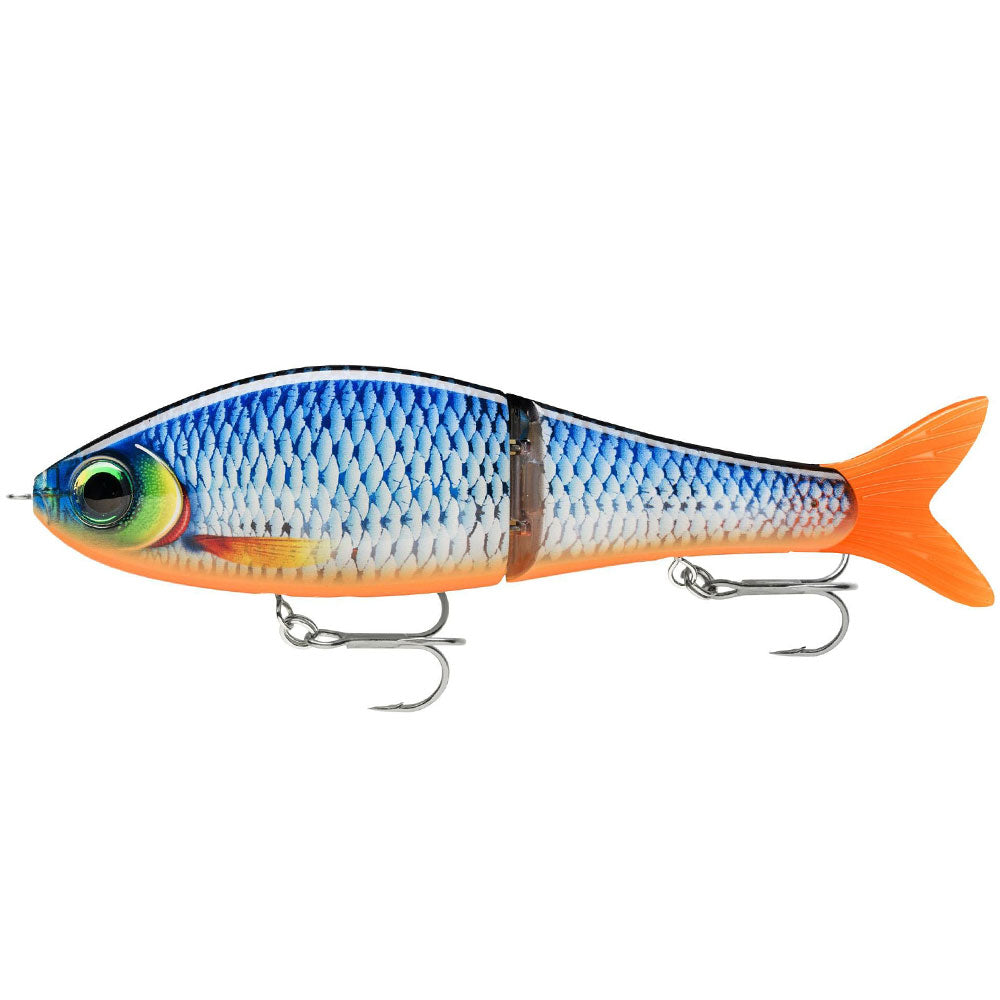
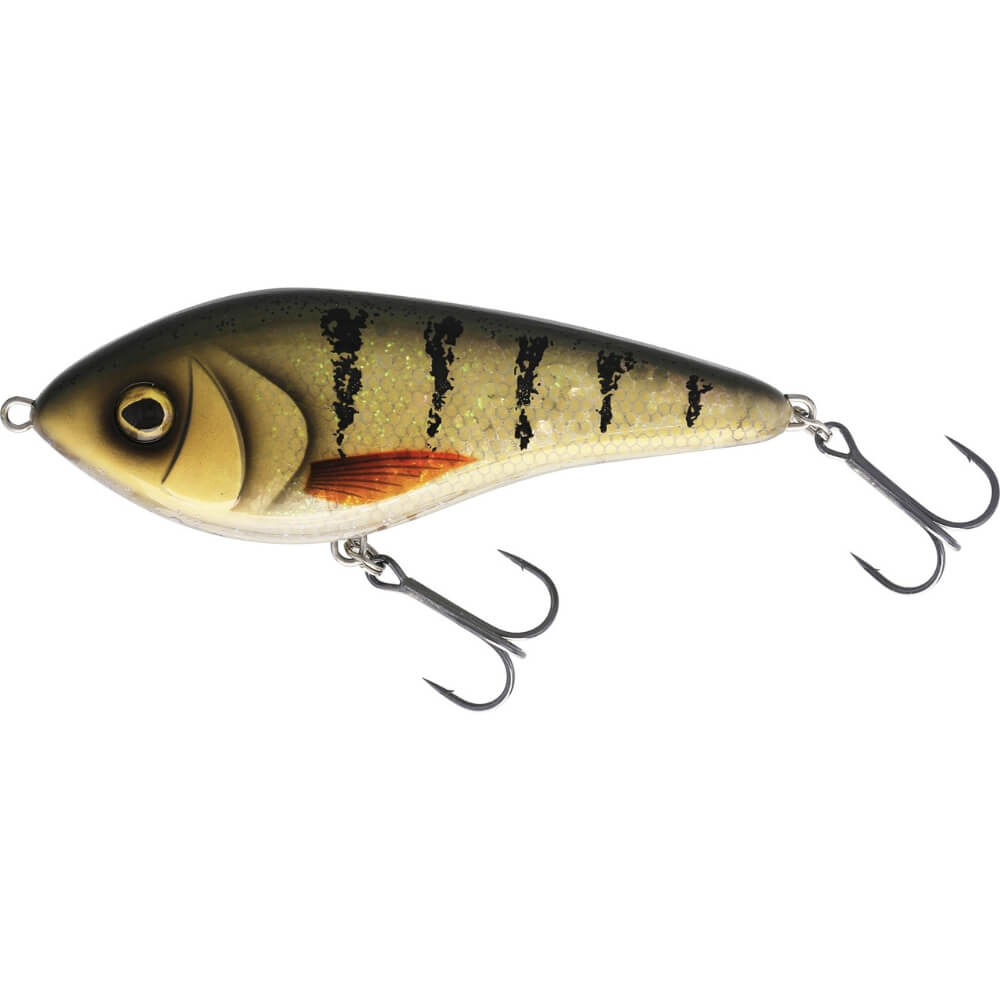
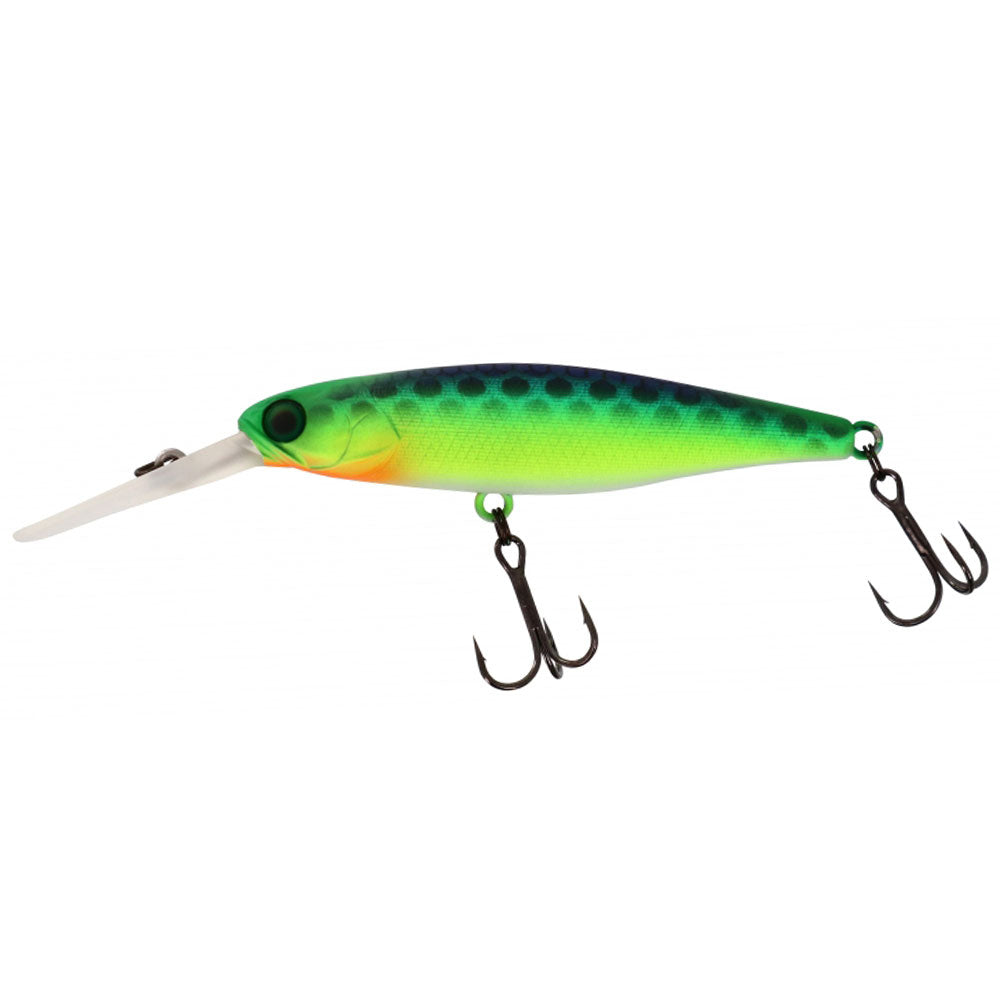
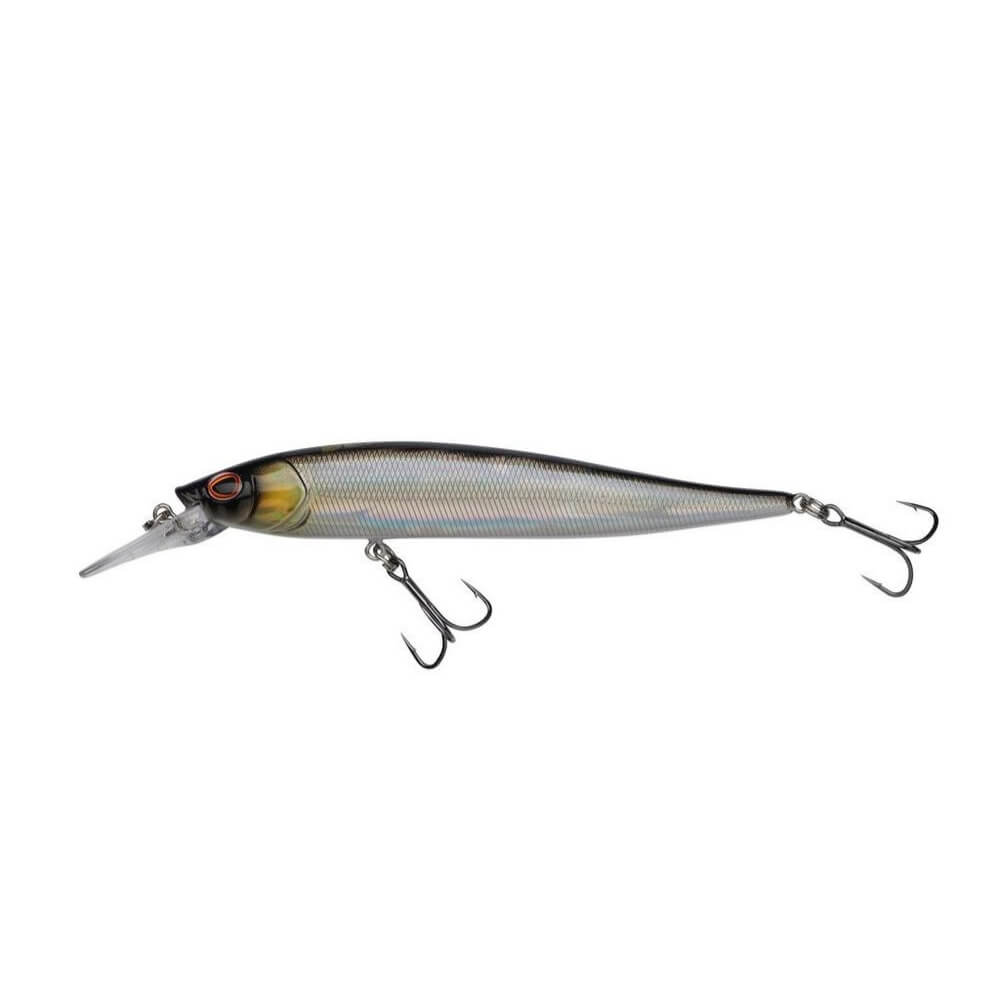
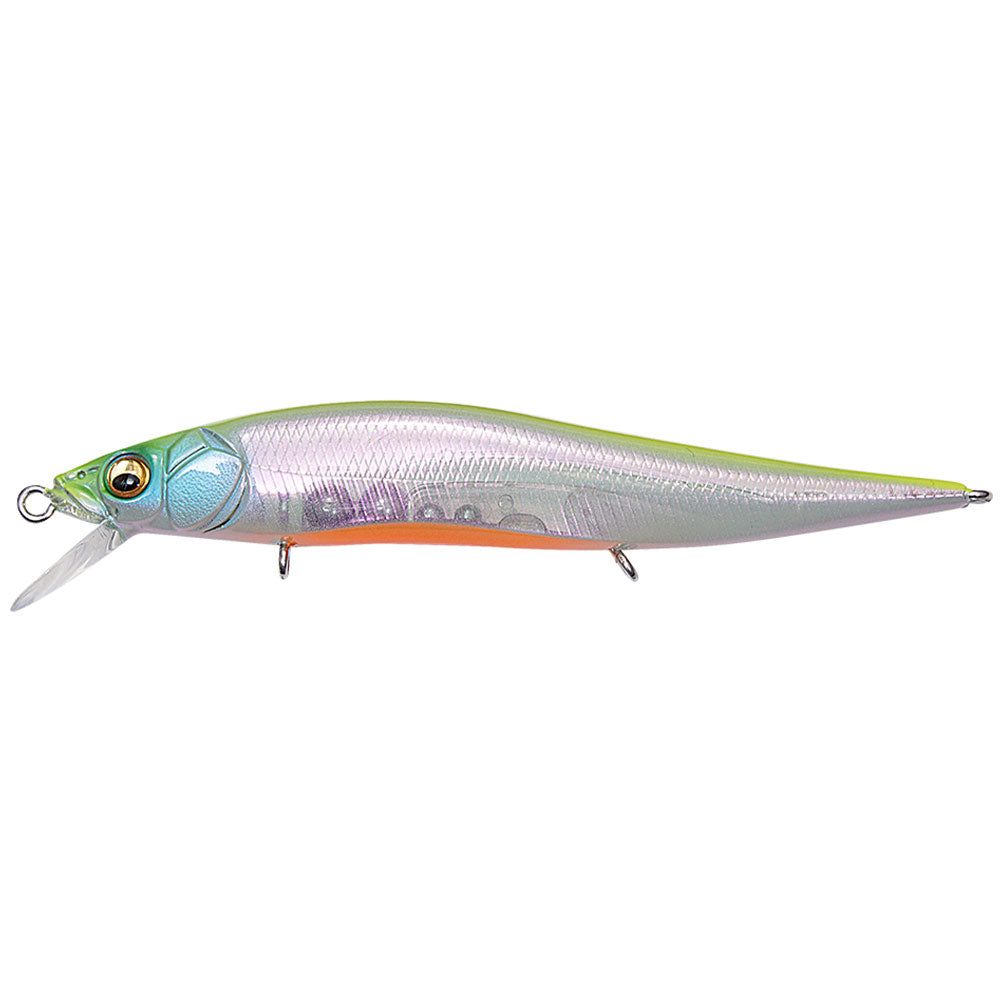
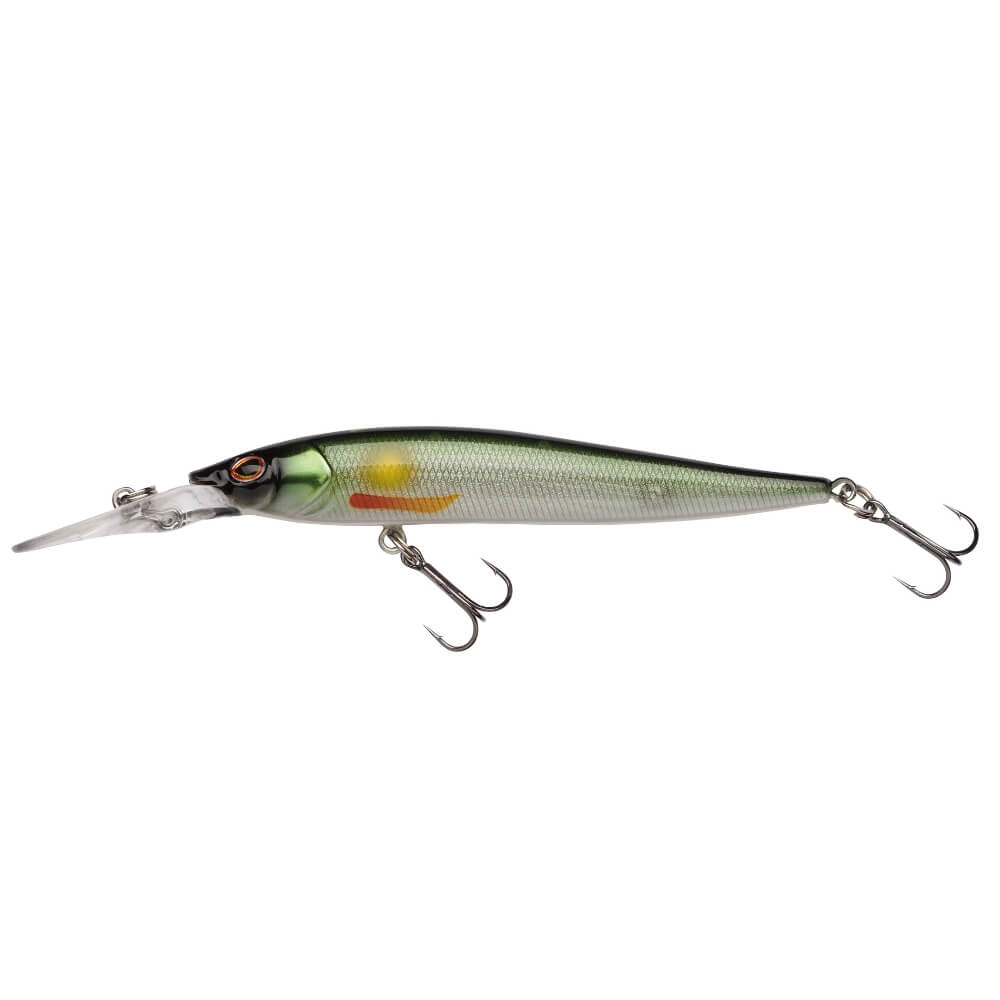
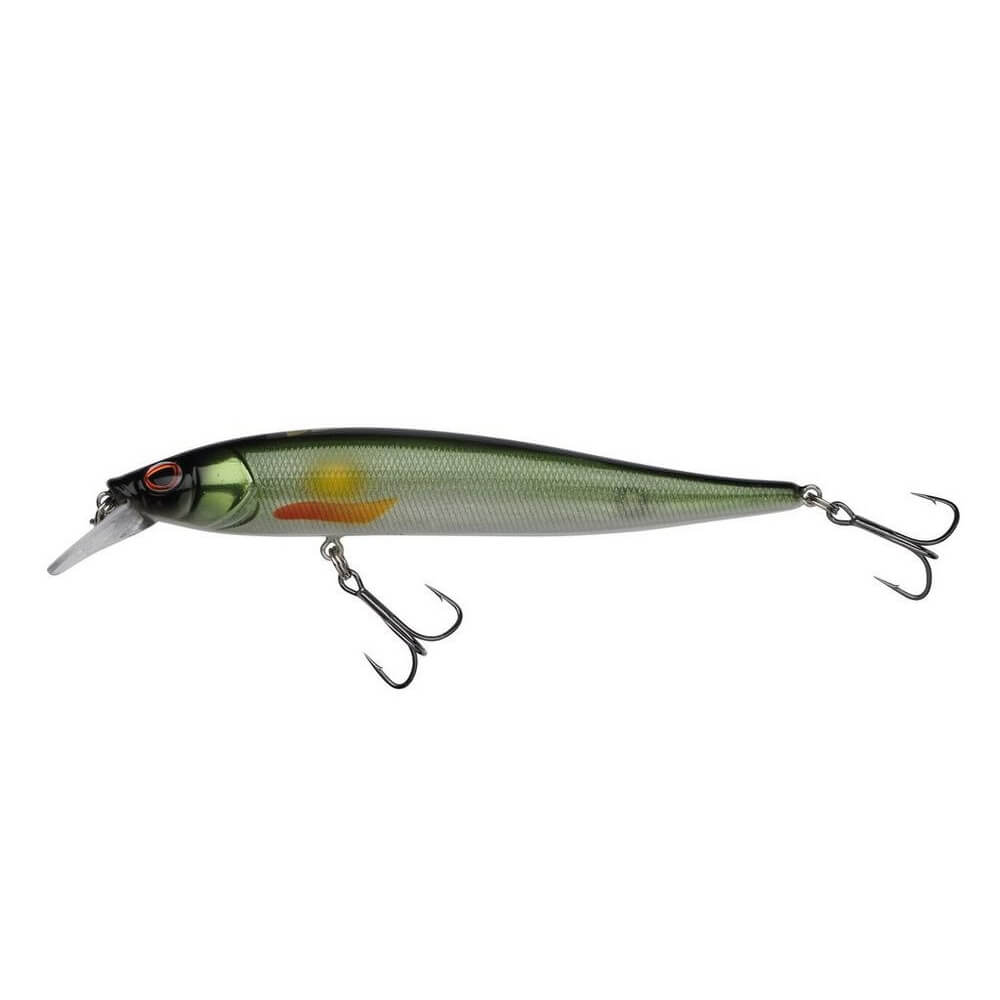
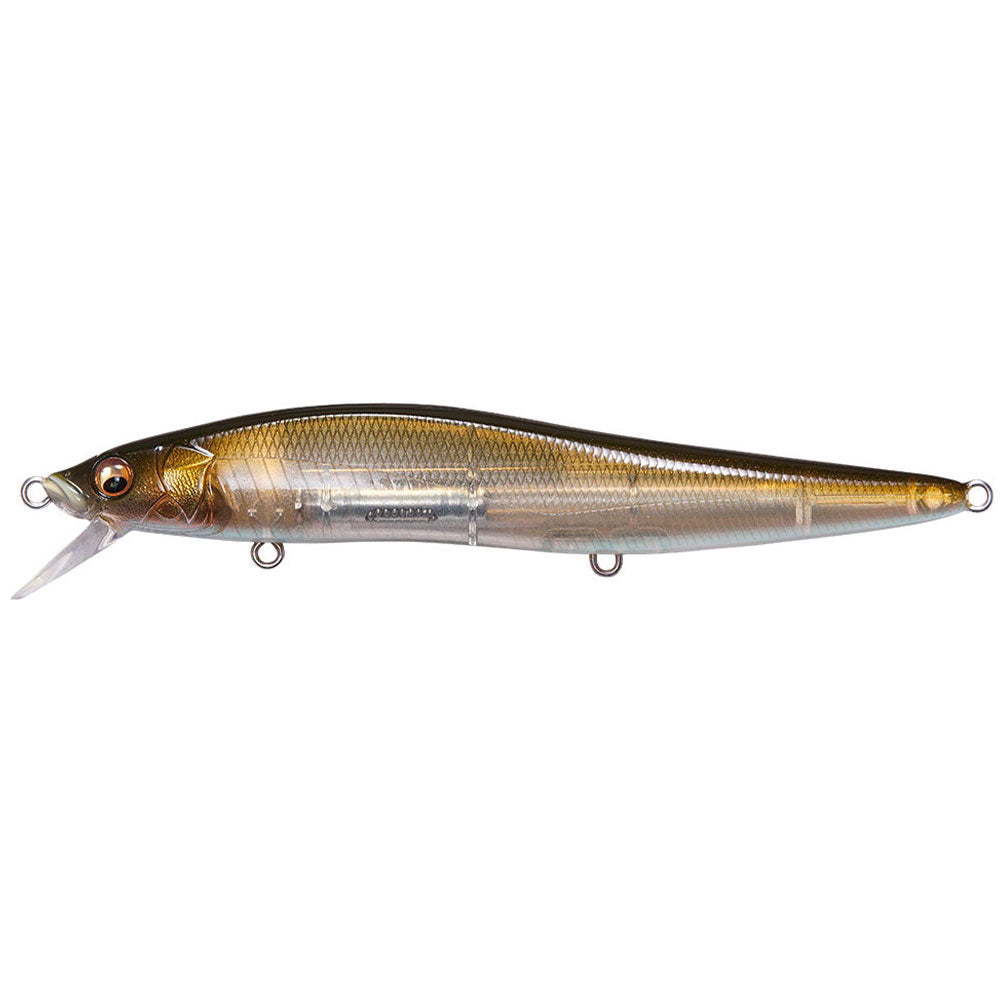
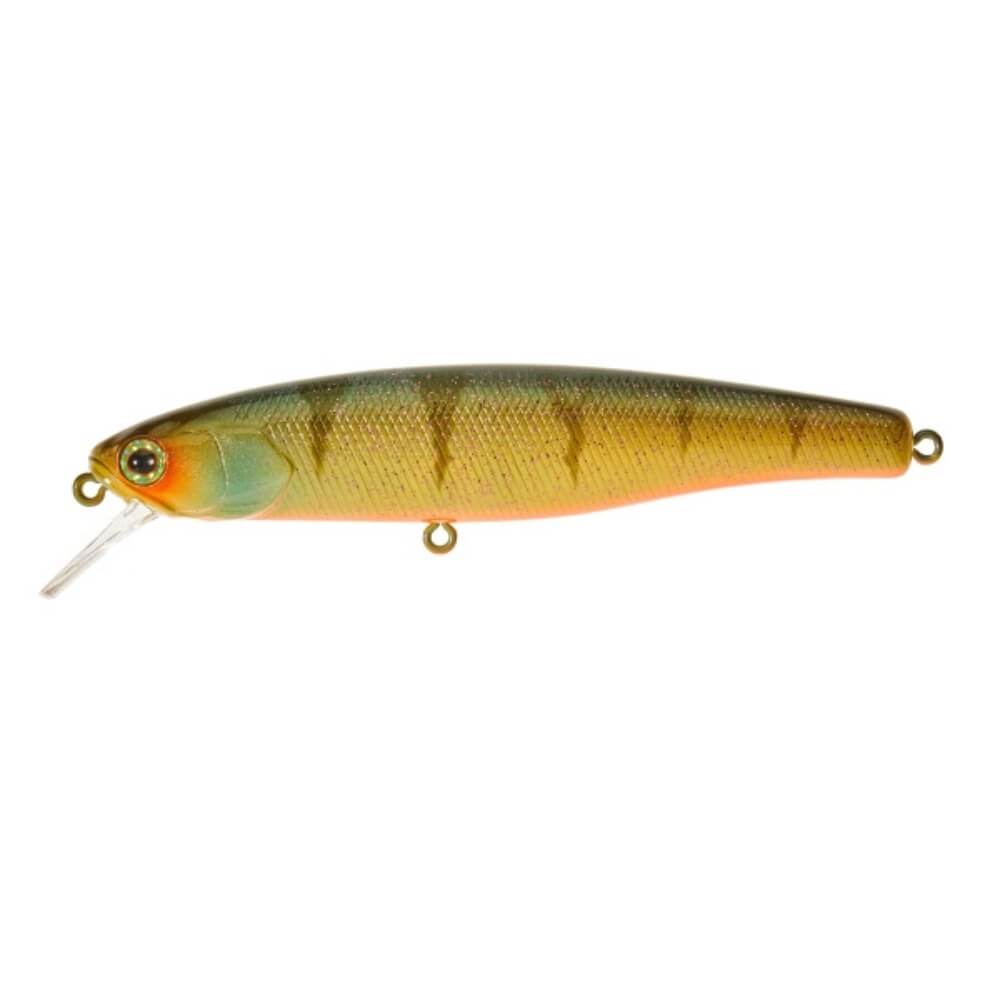
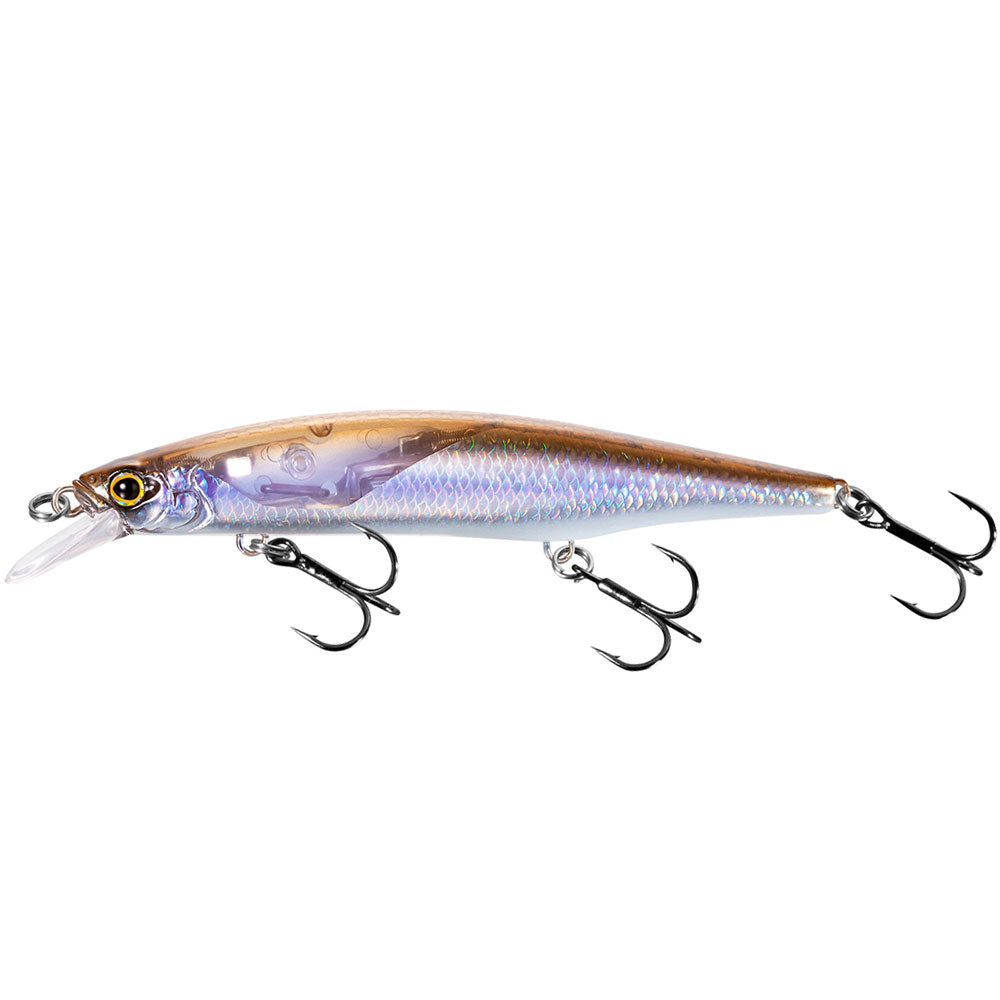
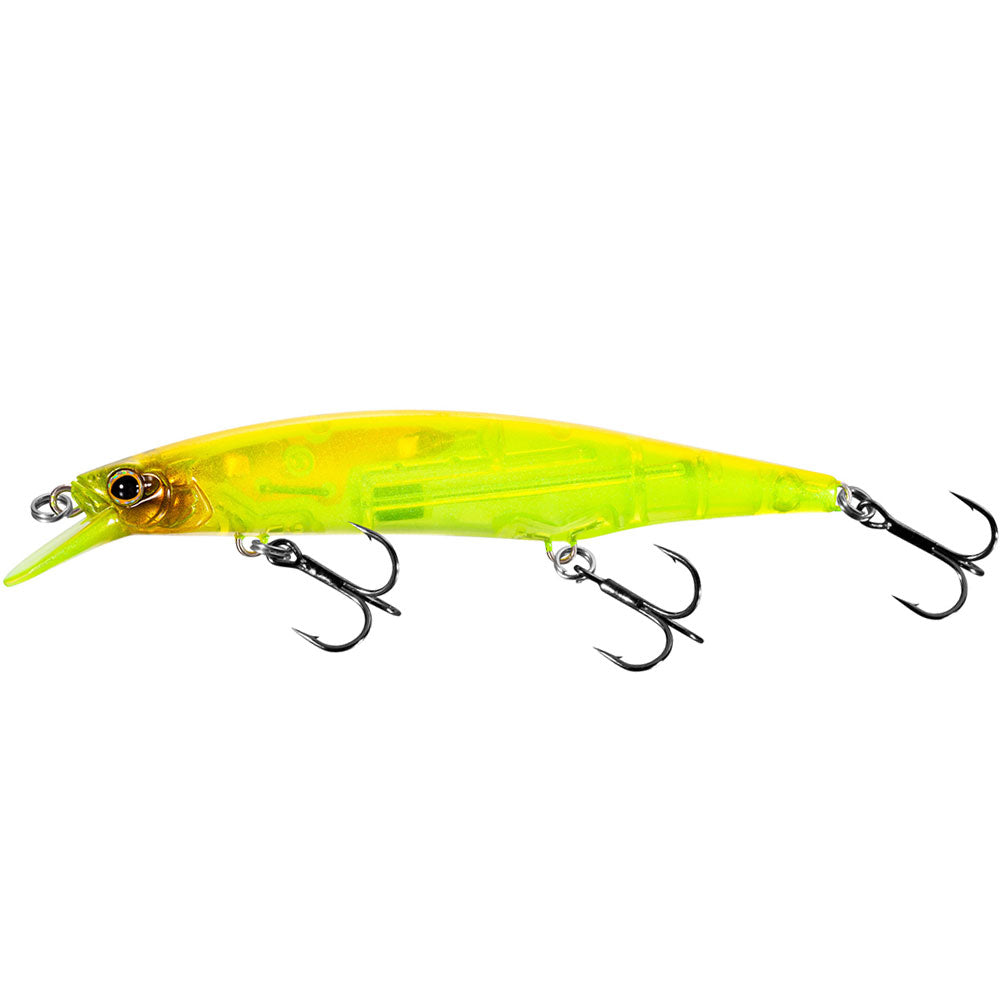
<h2>Buying Guide: Jerkbaits</h2><p>Because the term jerkbait is defined primarily by the retrieve style rather than the lure shape, the range of jerkbaits on the market is correspondingly broad. You can roughly split these hard lures into two categories: lipless jerkbaits and lipped jerkbaits. What all of them have in common is that they are generally worked with <strong>full-forearm strokes</strong> and tend to be among the larger lures available. The boundary with twitchbaits is blurred, and it is not always possible to assign a lure to one category with complete certainty. Lures in a medium size range of around 10 cm, for example, can often be both jerked and twitched. Twitching refers to animating lures with short, sharp wrist flicks.</p><h2>Lipless Jerkbaits</h2><p><em>Lipless jerkbaits</em> are the lures that have been known as jerkbaits for as long as most anglers can remember. This group can be broken down further into <strong>gliders, pullbaits and classic jerkbaits</strong> such as the Salmo Jack. The majority of available lures in this group are gliders, which is sometimes even reflected in the name, as with the Westin Swim Glidebait.</p><h3>Shape and Appearance of Lipless Jerkbaits</h3><p><em>Lipless jerkbaits</em> are lures that mostly feature a <strong>teardrop-shaped body tapering towards the tail</strong>. They are generally made from plastic and fitted with two treble hooks. The appearance of these lures is often the first stumbling block for anglers new to jerkbait fishing. These hard lures do have a <strong>rough baitfish profile, often with realistic detailing</strong>, but at first glance they give little away about how they actually work. The one thing you can see straight away is that they <strong>cast exceptionally well</strong>.</p><p><br><img src="https://cdn.shopify.com/s/files/1/0548/9197/0669/files/SVS_Jerkster.jpg" alt="Lipless Jerkbait"></p><h3>Working Lipless Jerkbaits</h3><p><em>Lipless jerkbaits</em> achieve their <strong>outstanding fish-catching ability</strong> without moving parts or a diving lip. Their effectiveness comes entirely from the retrieve. Many jerkbaits will catch fish on a steady or varying retrieve, ideally combined with light rod twitches. But they work best when you draw them through the water <strong>with hard, sharp rod strokes in an erratic, varied manner</strong>. It is this jerking action that gives them their name and their particular effectiveness. Many pike anglers, if forced to choose just one pike lure, would reach for a jerkbait. Here is how to retrieve them. As a general rule, you should fish from <strong>a slightly elevated position</strong> when jerkbait fishing, as this gives you <strong>better lure control</strong>. It is also a good idea - as with any new lure - to study the action on a few short test casts first, experimenting with different stroke intensities and speeds.</p><p>There are two <strong>retrieve styles</strong> worth trying:</p><ol><li><p><strong>Side jerking</strong>: After casting, let the lure sink on a tight line for a few seconds depending on depth. Keep the rod horizontal, pointing towards the lure. Then pull the lure sharply to one side with <strong>a powerful stroke</strong> - you can use your forearm, your shoulder or even your whole upper body. The jerkbait darts to one side. Hold it there while you bring the rod back to the starting position, taking up the slack with the reel. Then repeat. Most bites come while the lure is paused, so it is absolutely essential to keep the line under tension to the lure at all times. You can also build in longer pauses between strokes. Sinking models tend to flutter slightly as they fall, which often triggers hesitant predators into striking. This technique works with almost every model on the market and is fairly straightforward to learn. The one drawback is that it can become quite tiring over a long session - but fishing is sport ;-) and <strong>savage takes</strong> are your reward!</p></li><li><p><strong>Frontal jerking</strong>: This technique requires a short rod and an elevated position, as you hold the rod tip in front of your body pointing towards the water surface. You animate the lure by pulling the rod sharply towards you, <strong>alternating left and right</strong>. As you bring the rod back, you wind in the line. This technique is a little harder to master at first, but the <strong>slightly higher speed</strong> it generates often proves very effective in warmer water.</p></li></ol><p><strong>Enrico Di Ventura demonstrates how to fish lipless jerkbaits in this video:</strong></p><p><iframe frameborder="0" src="https://www.youtube.com/embed/YEvNnsXAua4" width="560" height="315" allowfullscreen=""></iframe></p><h2>Lipped Jerkbaits</h2><p><em>Lipped jerkbaits</em> are visually, as a rule, what many anglers would describe as large twitchbaits. In theory you could twitch them from the wrist. However, the water resistance created by the often slightly longer lip, combined with the generally more bulky body, makes this tiring very quickly, and you naturally shift into <strong>jerking from the forearm or shoulder</strong>. The majority of these lures have a <strong>slim minnow body</strong>. Paired with a long lip, these are jerkbaits that can be worked down to surprisingly considerable depths. A fine example - with jerkbait even in its name - is the DUO Realis Jerkbait 100DR-SP. The same lure with a shorter lip, the DUO Realis Jerkbait 100SP, is a good example of a shallower-running model. A further variant features a more voluminous body that looks like a cross between a crankbait and a minnow, such as the Rapala Super Shadow Rap in 11 cm.</p><h3>Working Lipped Jerkbaits</h3><p>The first retrieve style described above - <strong>side jerking</strong> - works particularly well with <em>lipped jerkbaits</em>. Their lip makes them dart especially attractively on the jerk, and their sharp, erratic movement tempts many predators, particularly during the warmer months. The <strong>darting action, the flash of the flank, and especially the quivering pause on suspending models</strong> has accounted for countless predators. They naturally work in winter too, but in colder conditions we would tend to recommend twitching as the preferred retrieve style - you will find more detail on that in the twitchbaits category.</p><h2>Summary</h2><p>As you can see, it is fairly straightforward to categorise <strong>lipless models</strong> as jerkbaits. With <strong>lipped models</strong>, however, the classification is almost always retrieve-dependent. The same lures can often be both jerked and twitched and therefore qualify as either jerkbaits or twitchbaits. This inability to assign them strictly to one category means you will find some models appearing in both. It is therefore important that you do not treat these terms as fixed labels for one specific type of lure, but rather as <strong>a guide to what you can do with them</strong>. One thing is certain: a lure fished correctly realises its full potential, and jerking is one of the <strong>most action-packed and exciting methods</strong> in predator fishing. Whether you are throwing big lipless jerkbaits for pike or working slim lipped jerkbaits for pike, asp, big perch and more, the addictive factor is real. Tight lines!</p>