










Shallow Rig
The shallow rig is a way of mounting a large soft lure so that it stays firmly in place during the cast and the hook system is positioned effectively, allowing you to hook large pike reliably in shallow water.


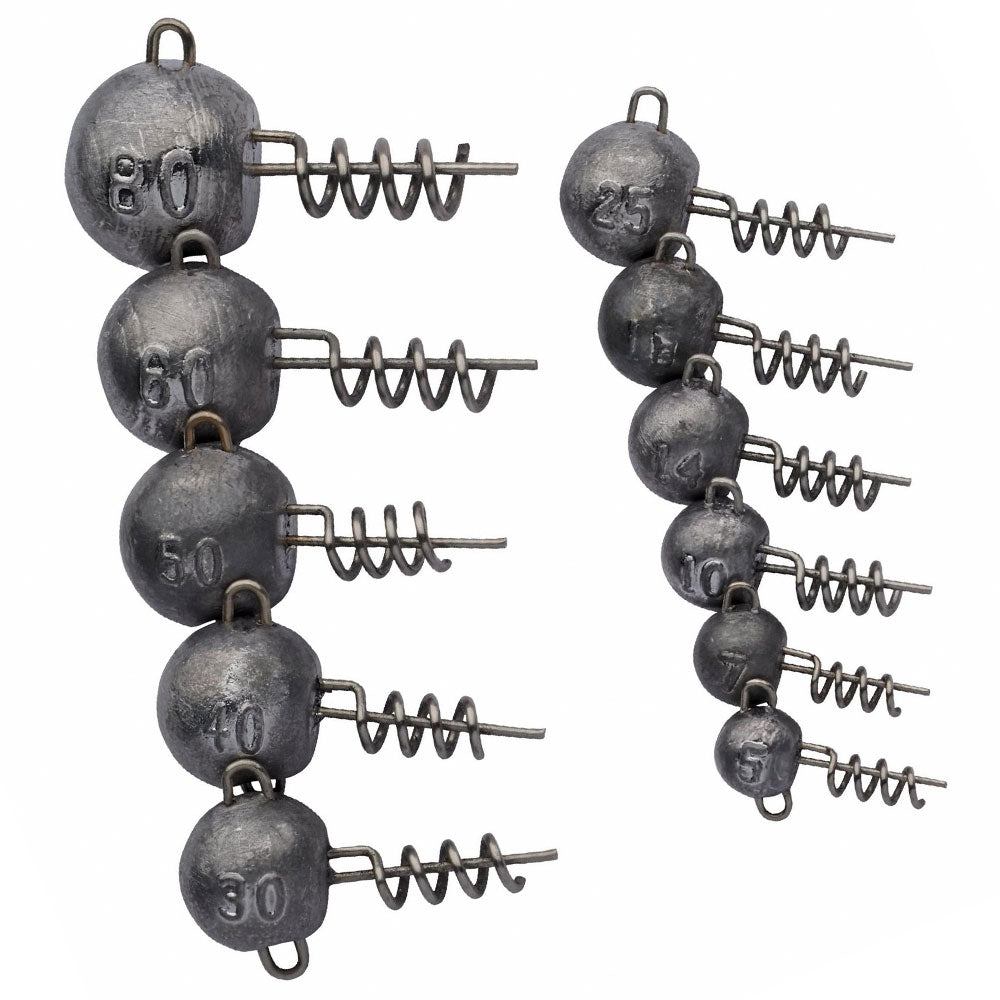
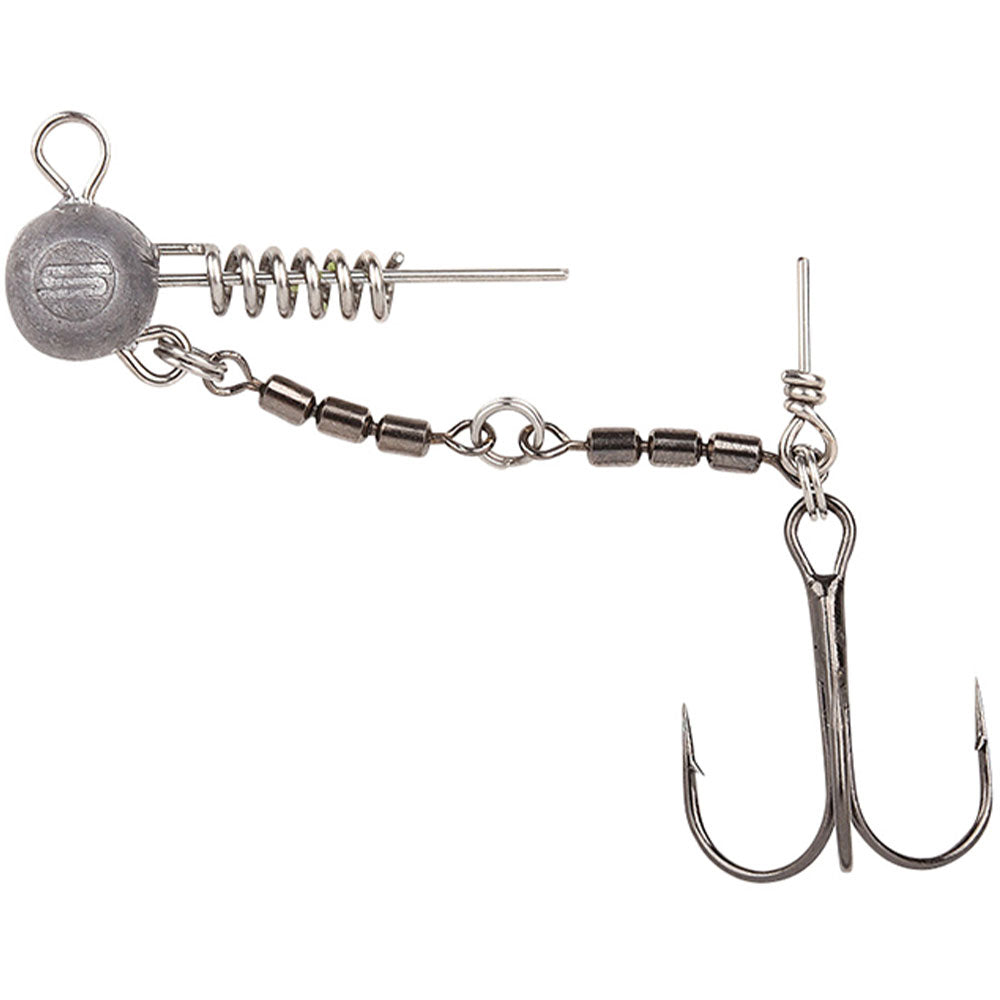


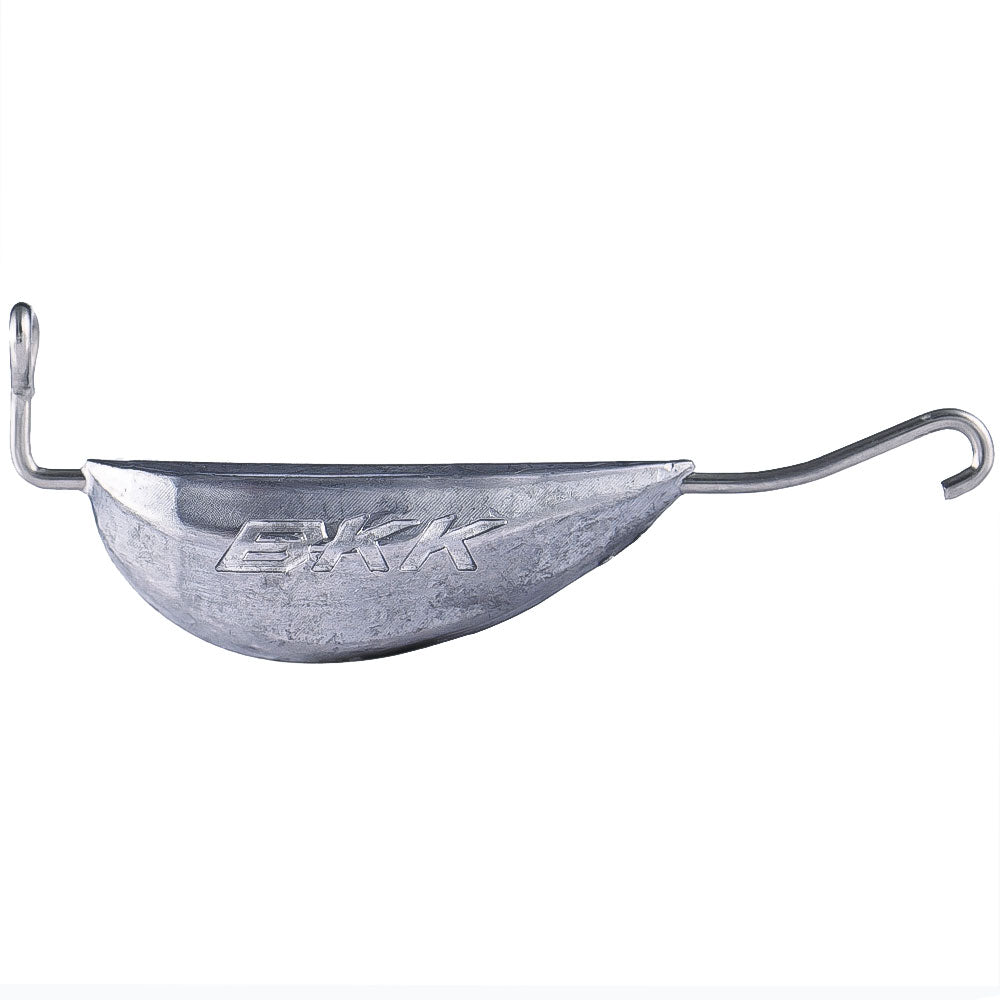


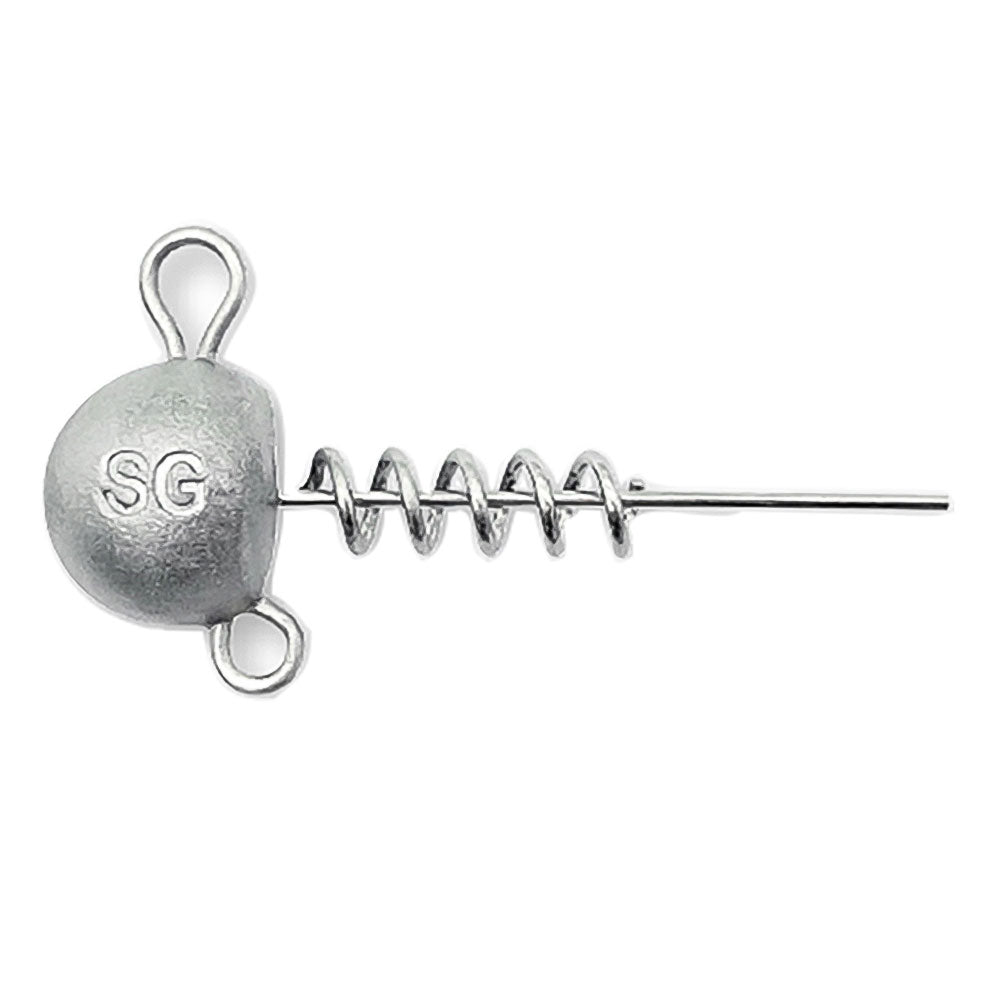


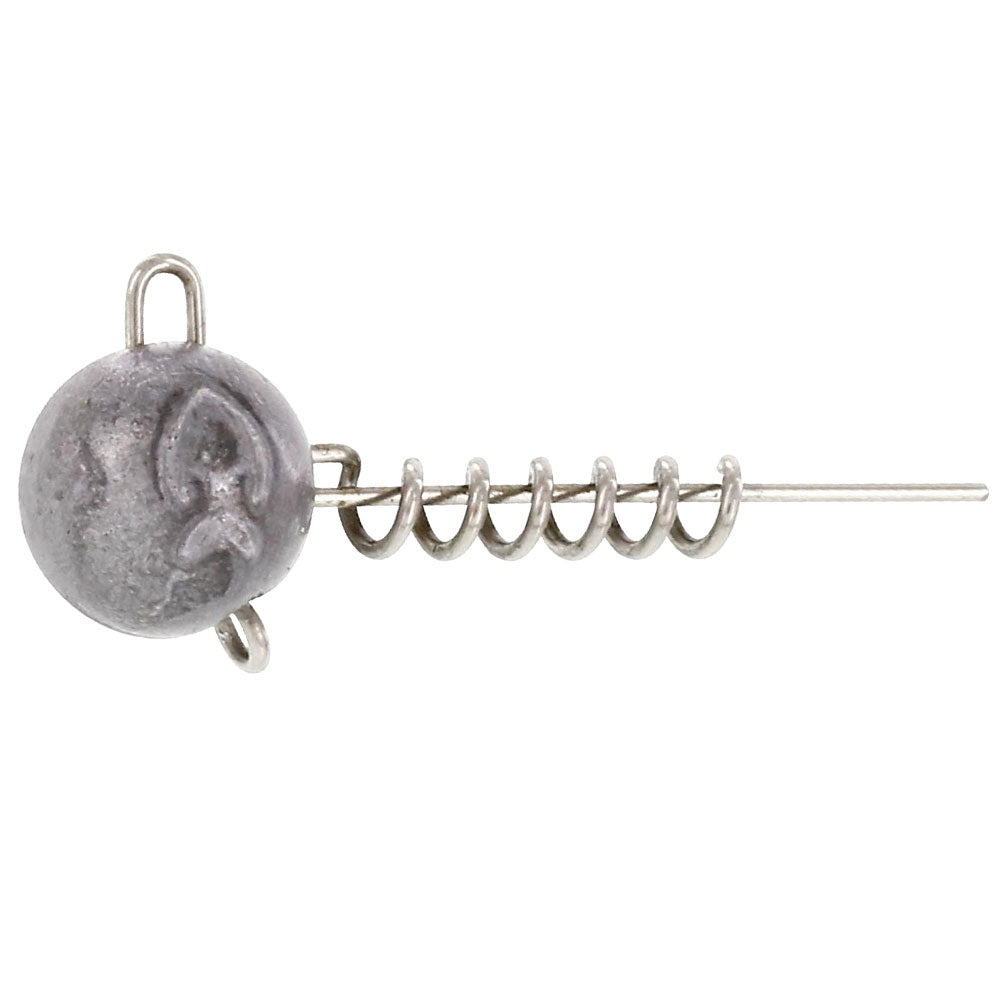

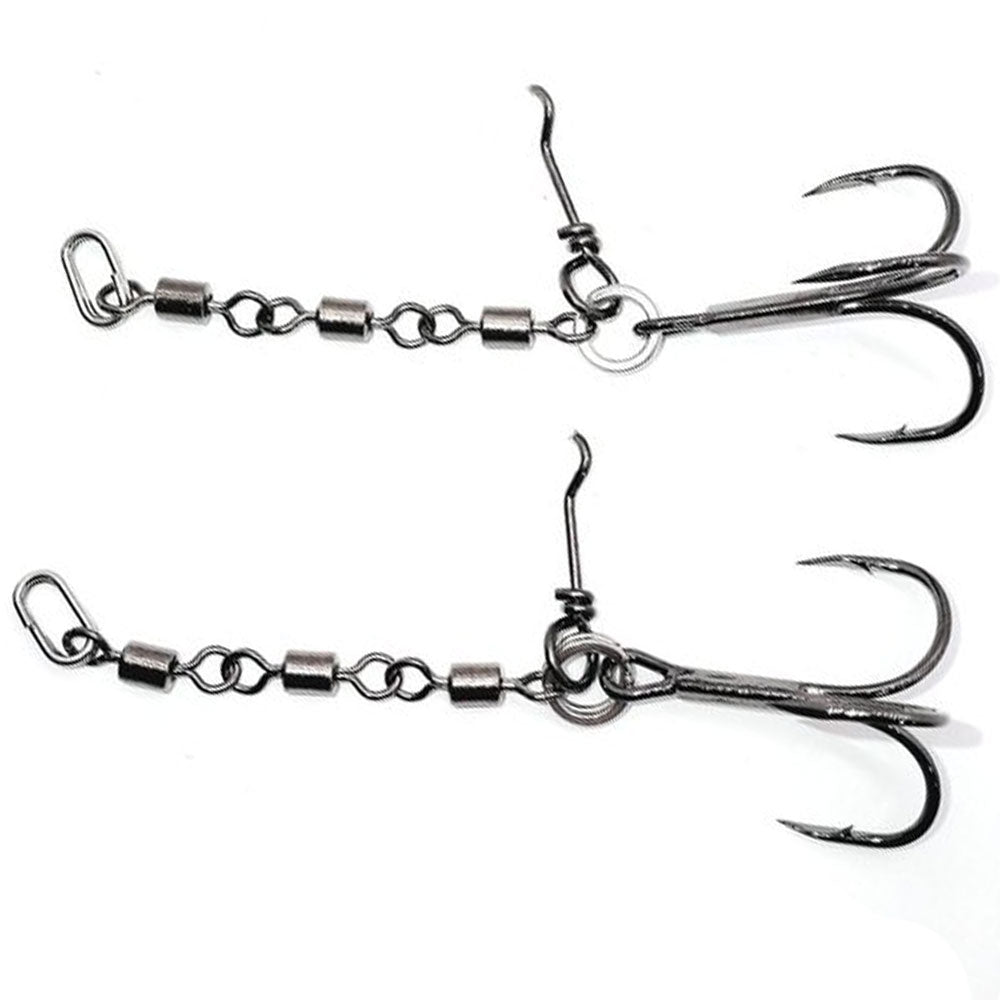

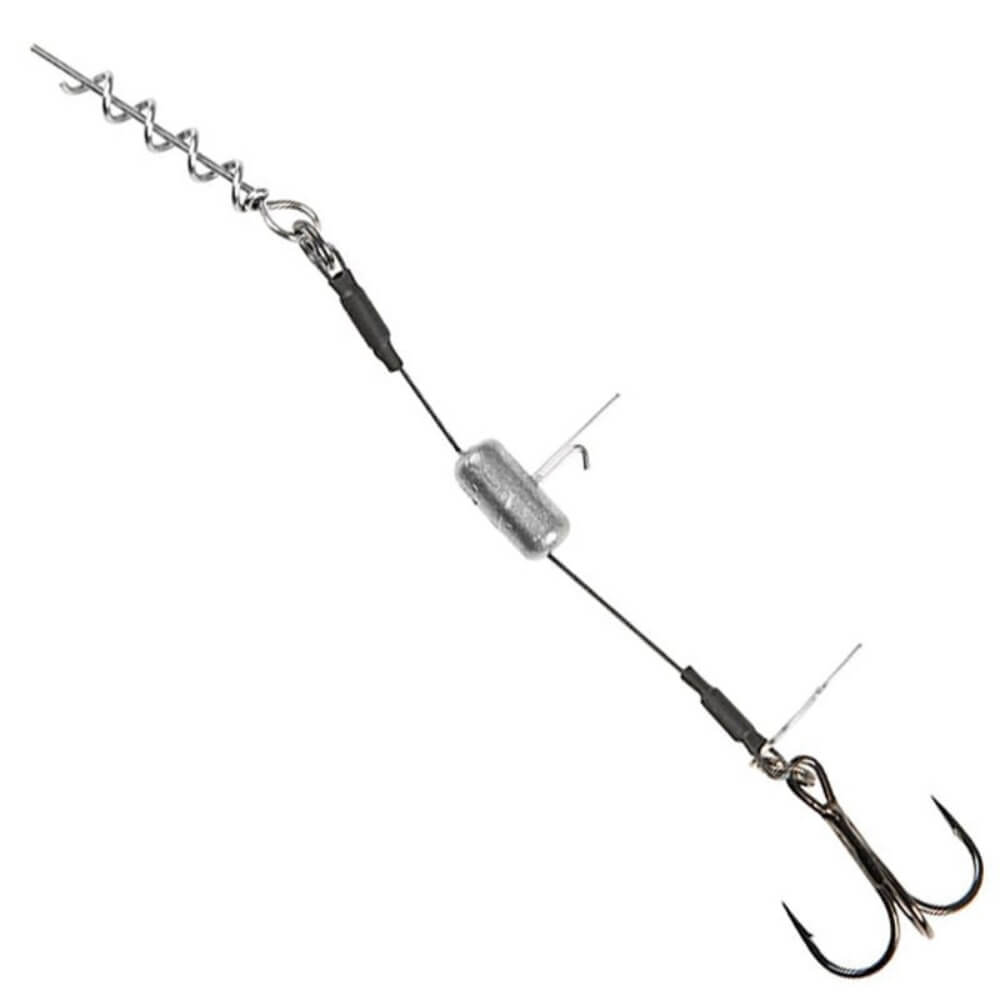



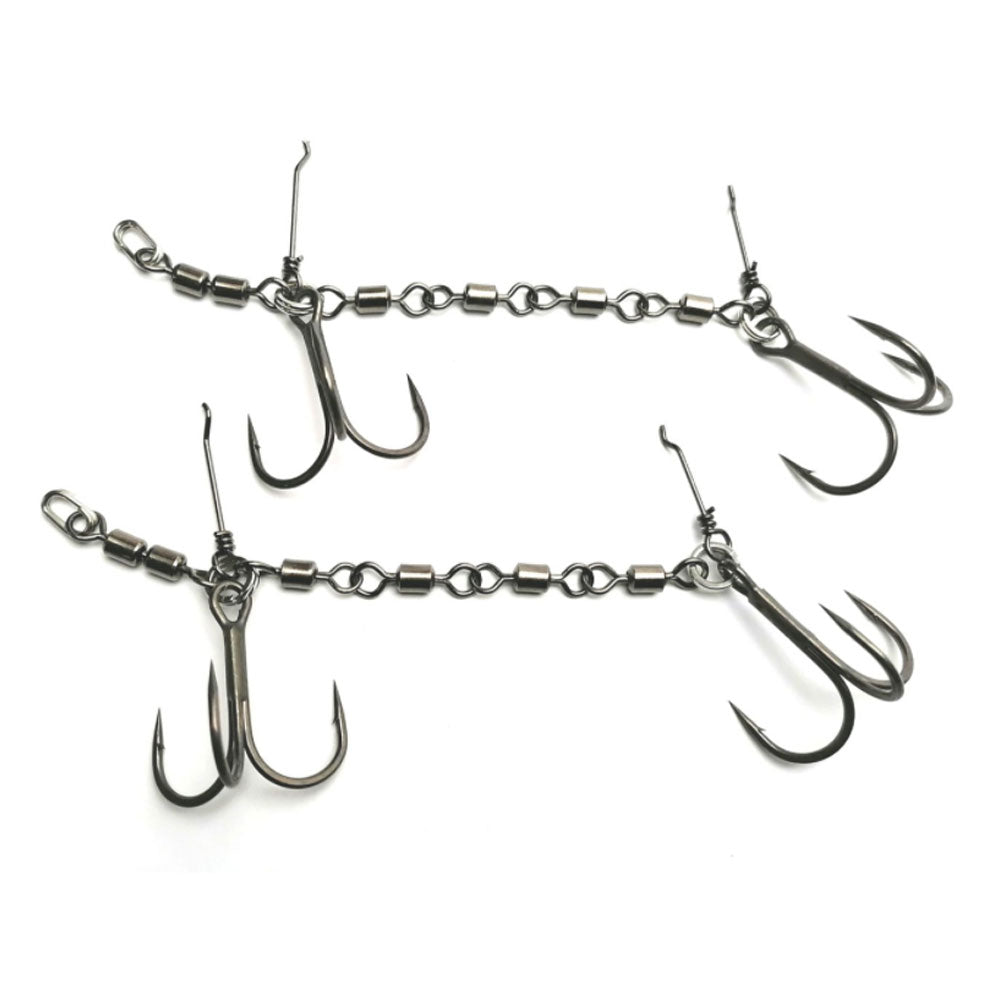
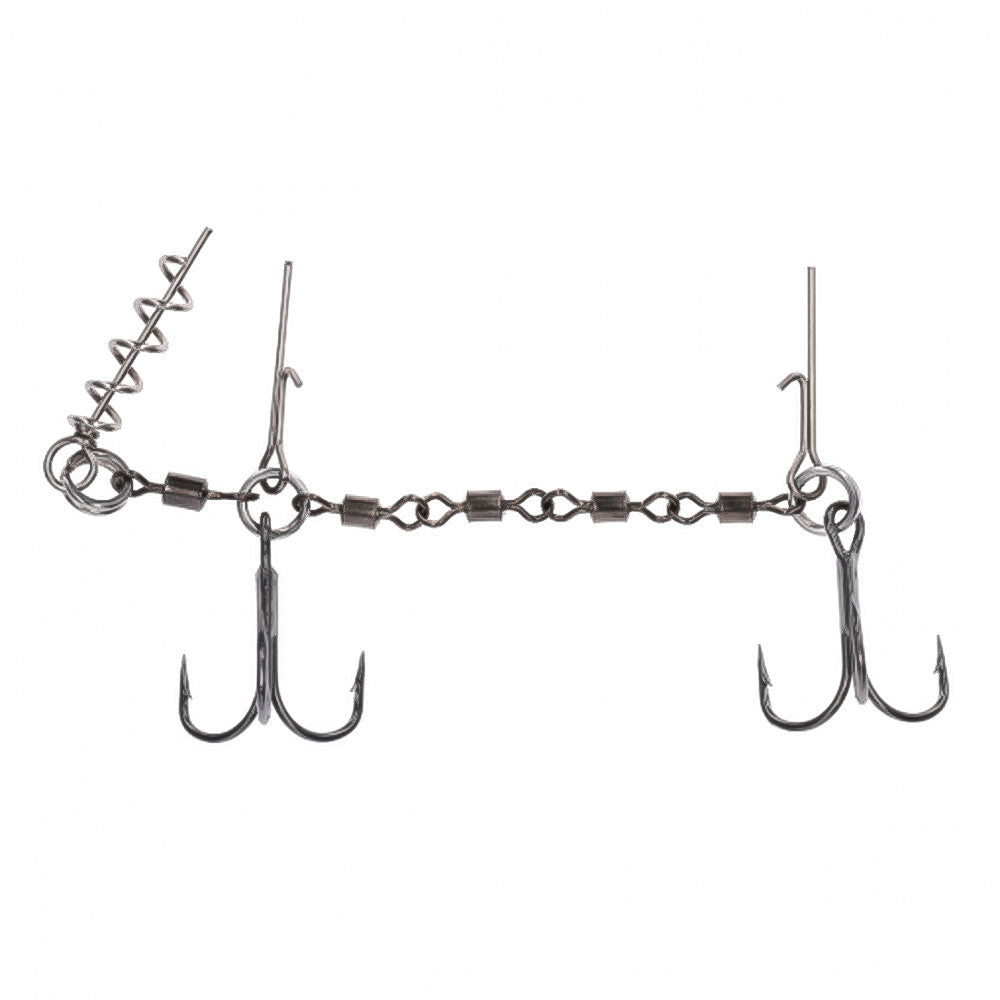


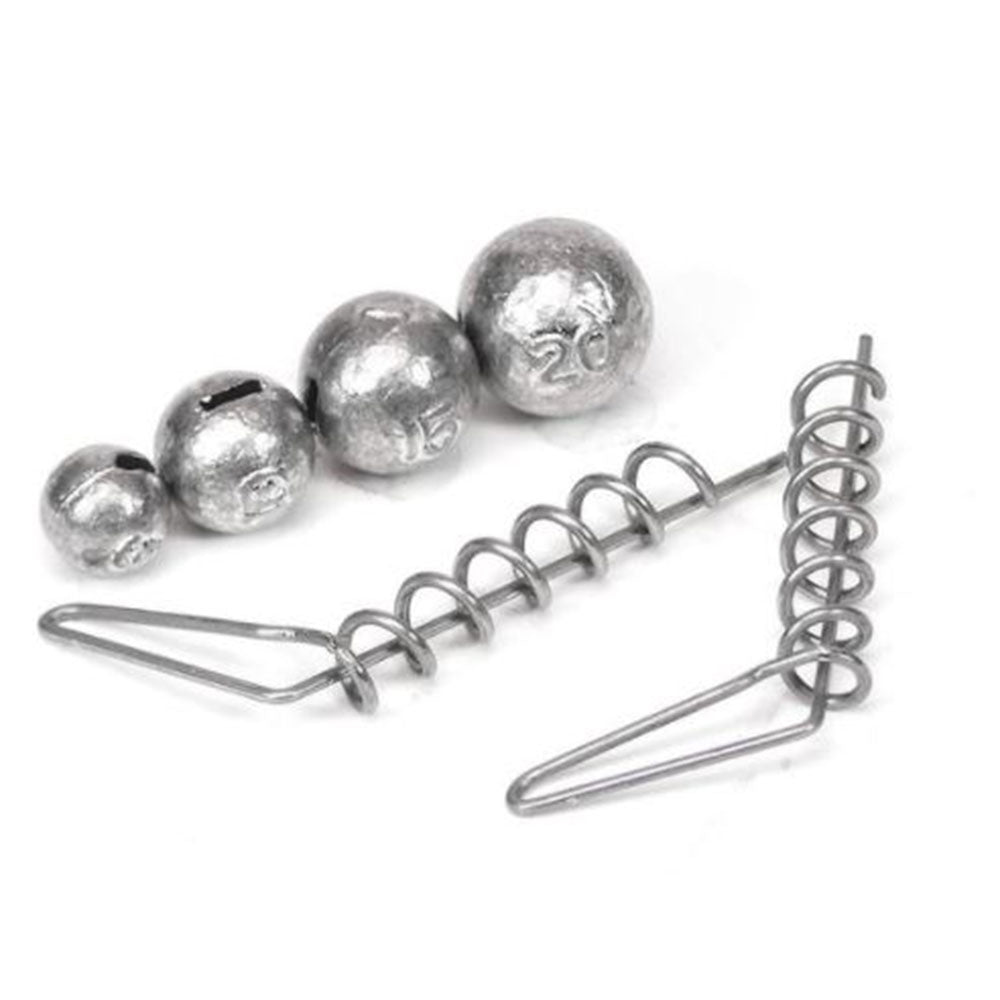
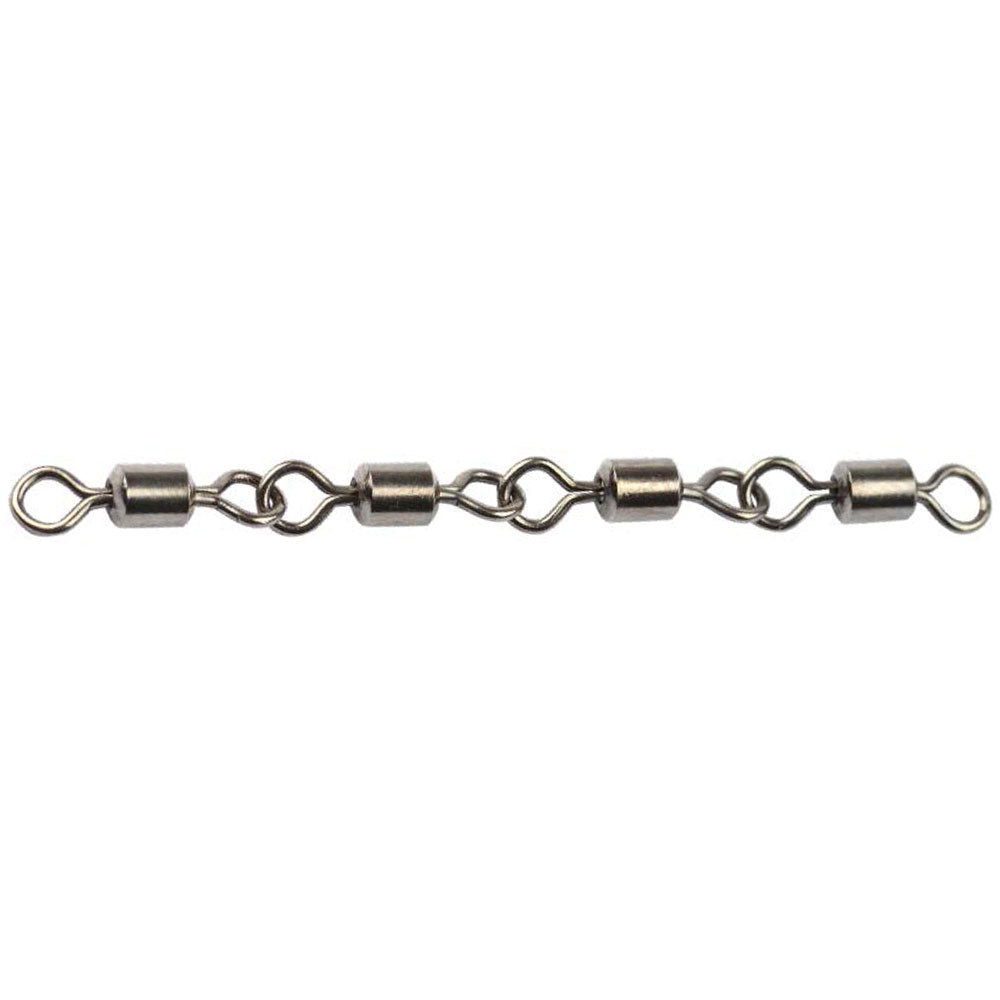


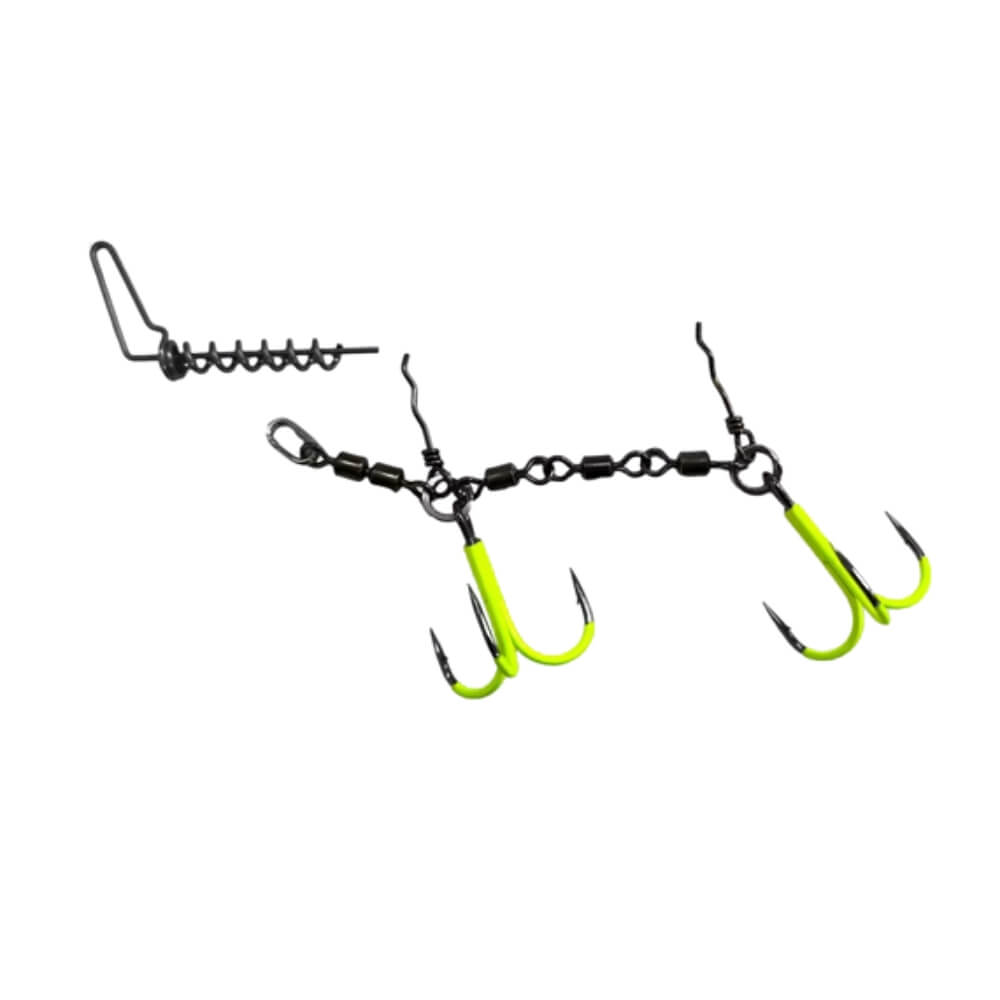

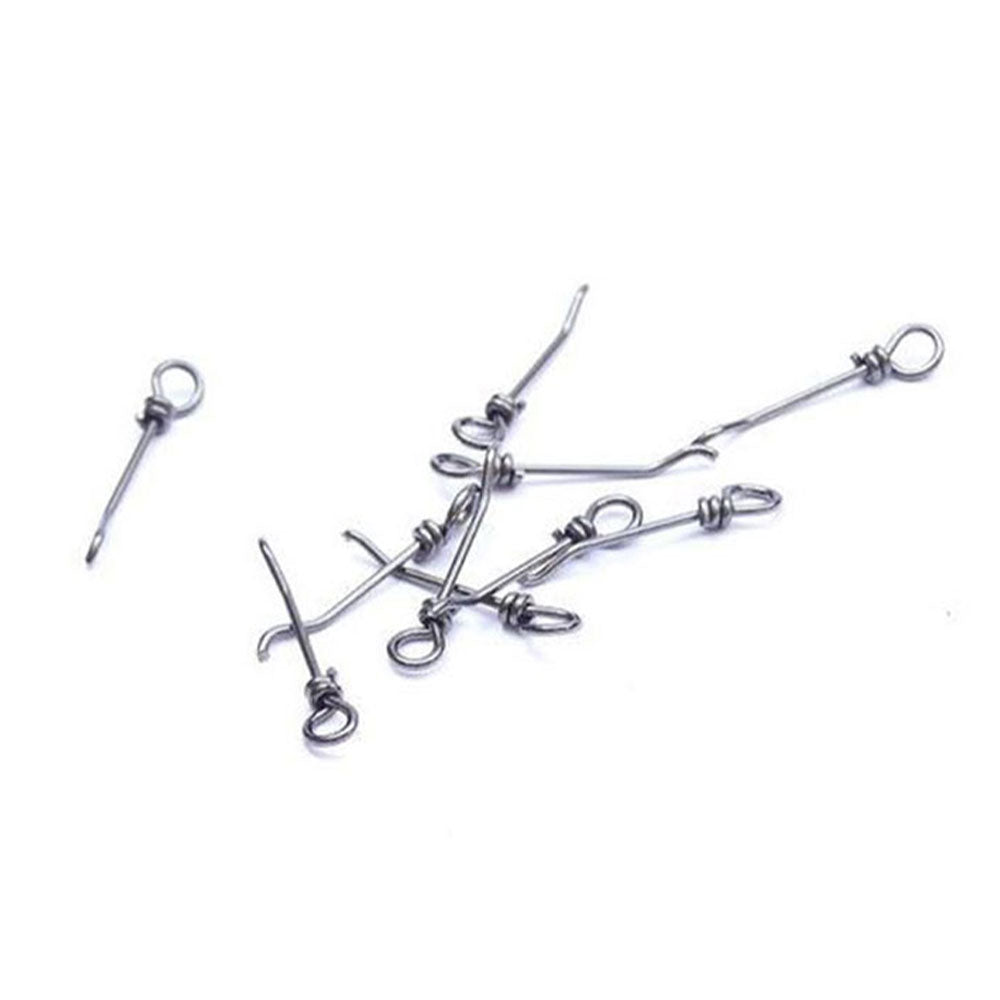
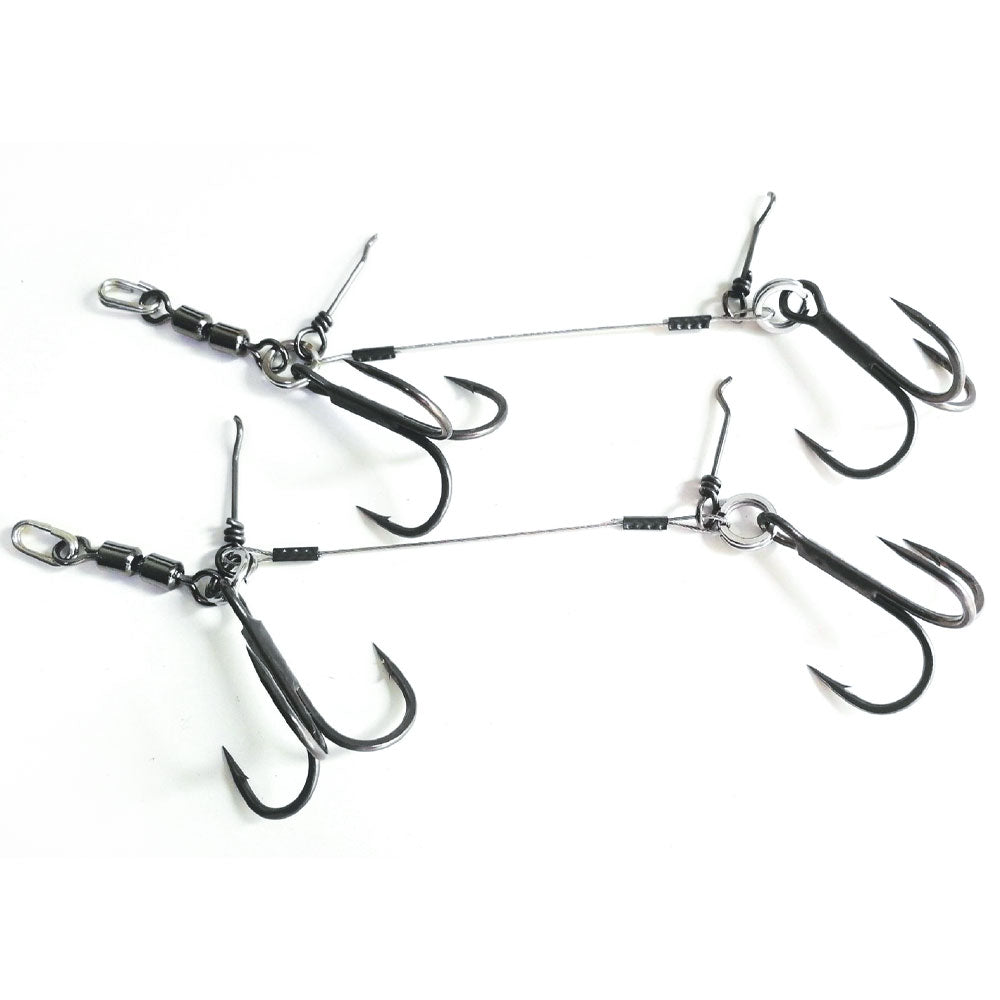


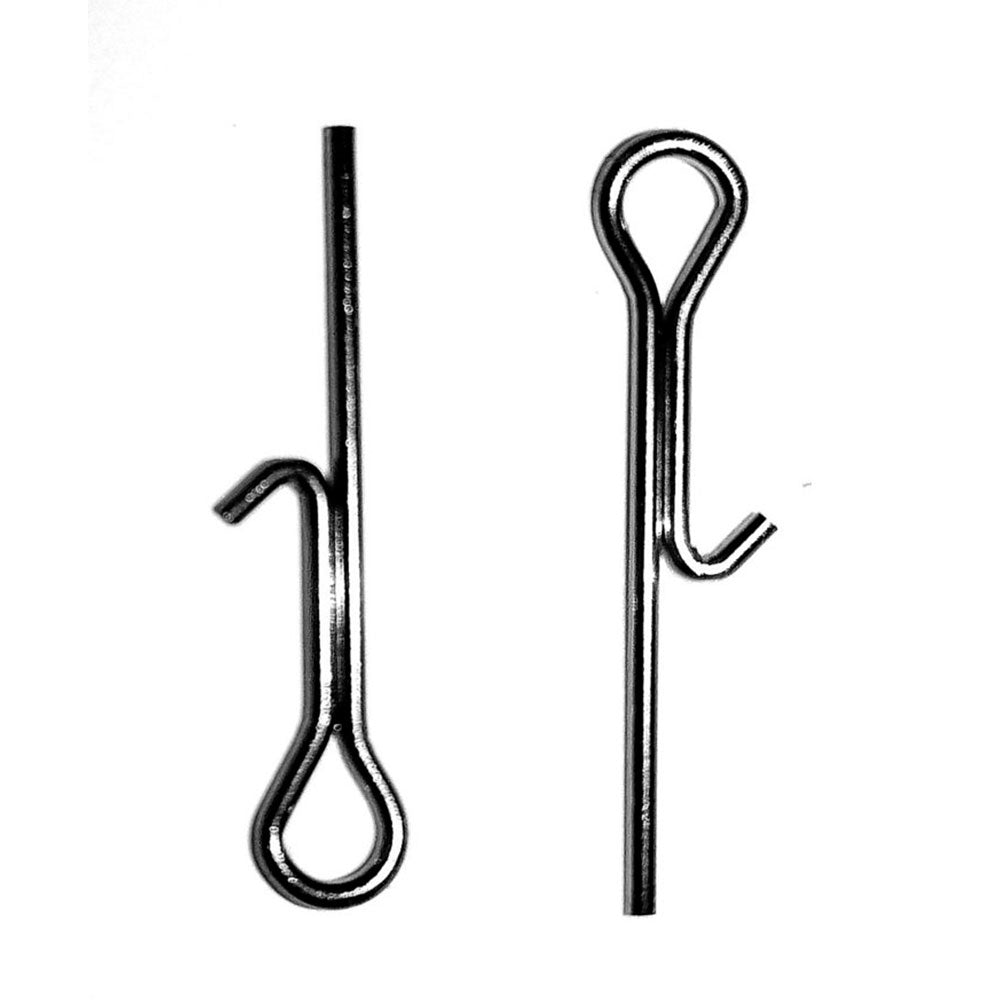


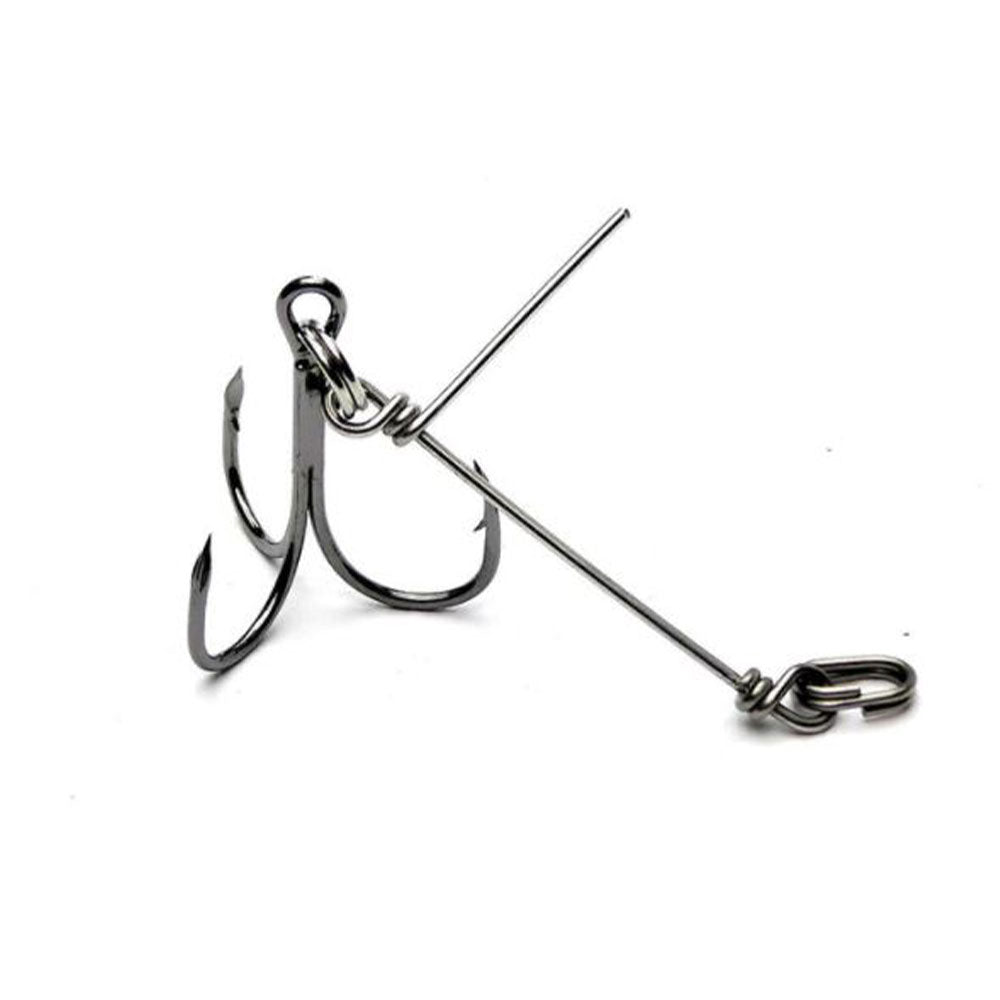
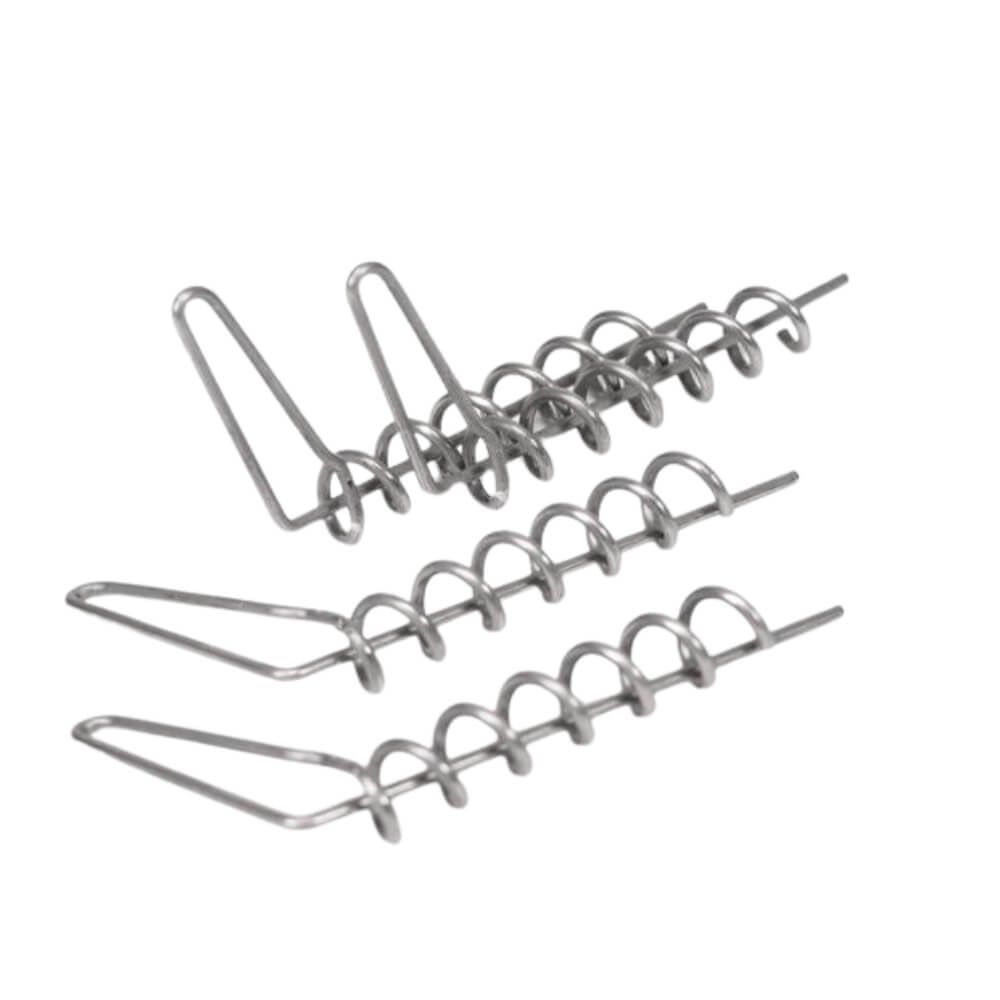


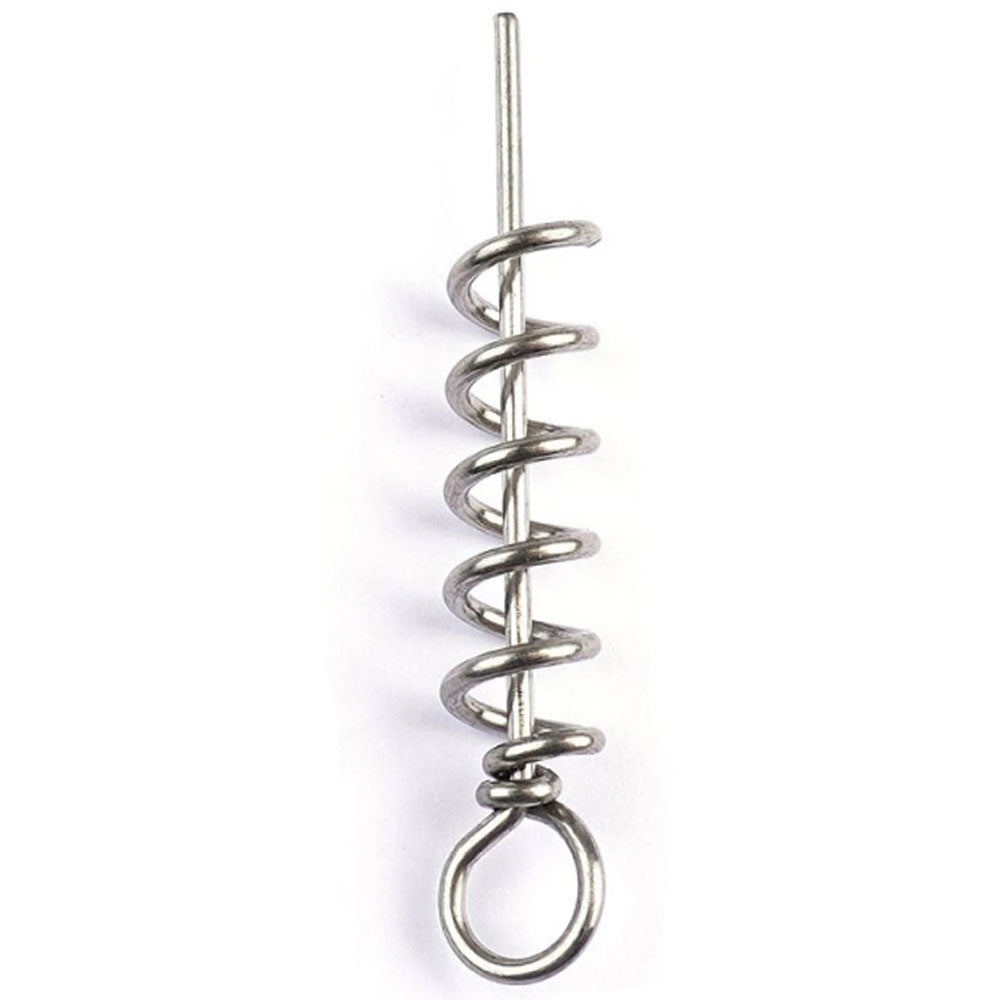
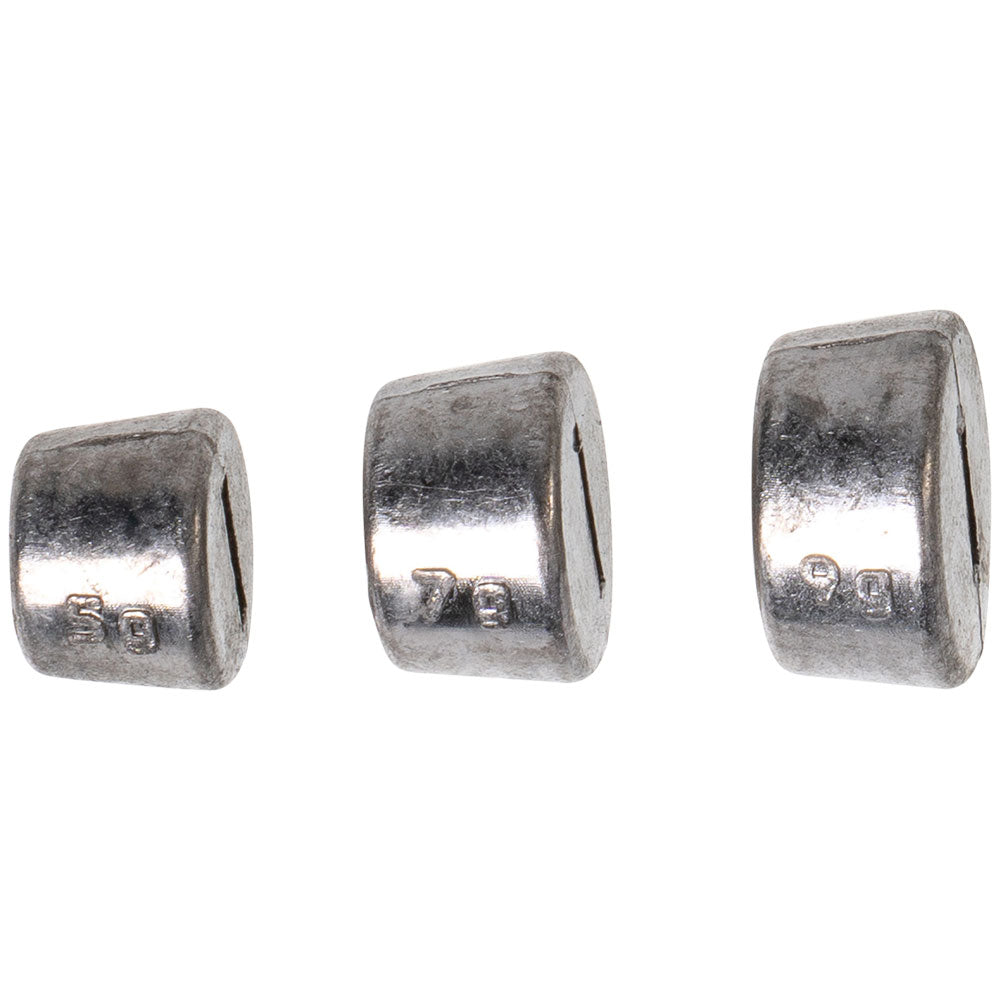
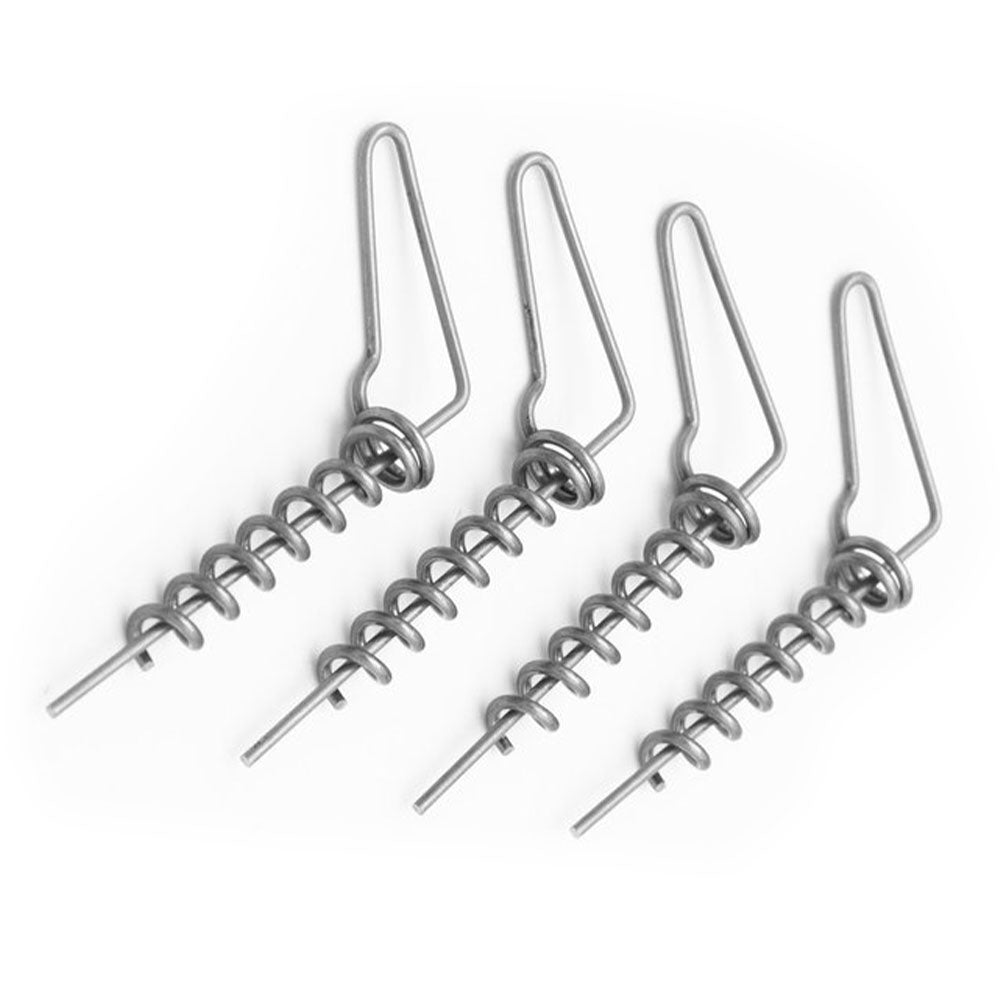

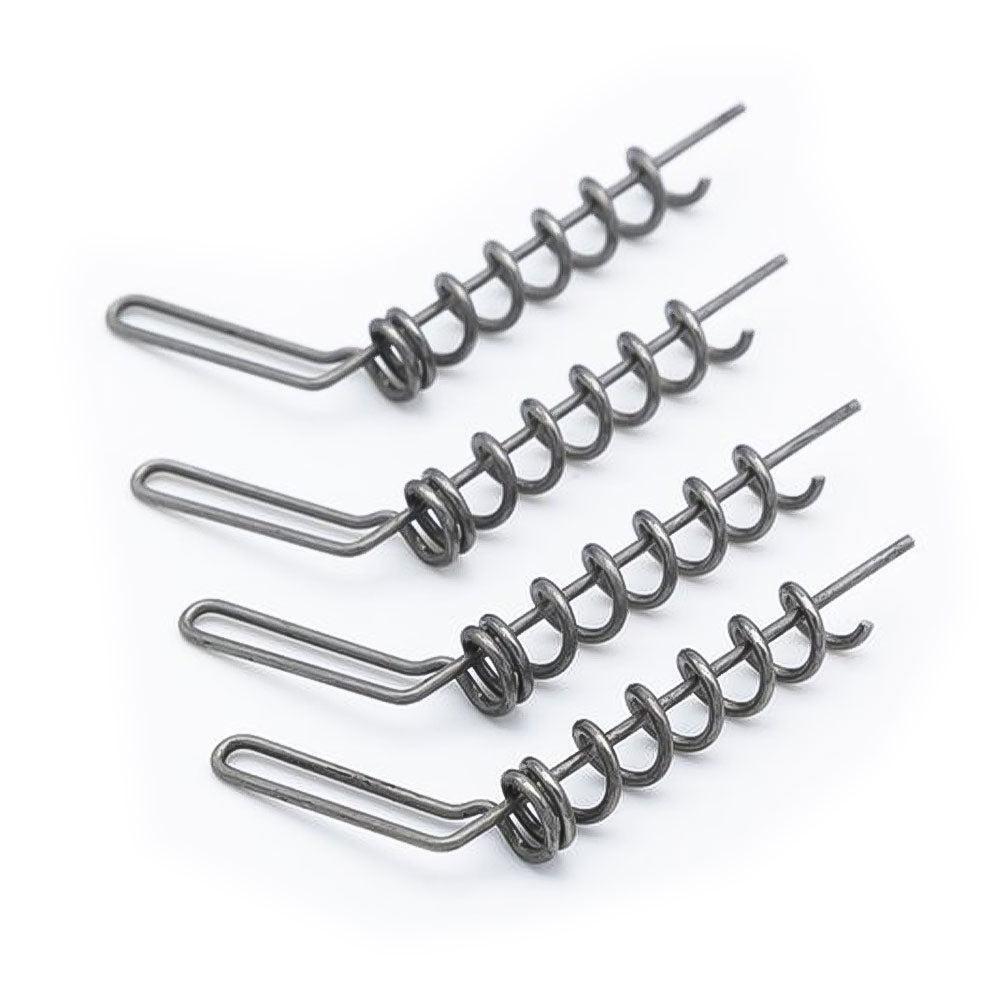


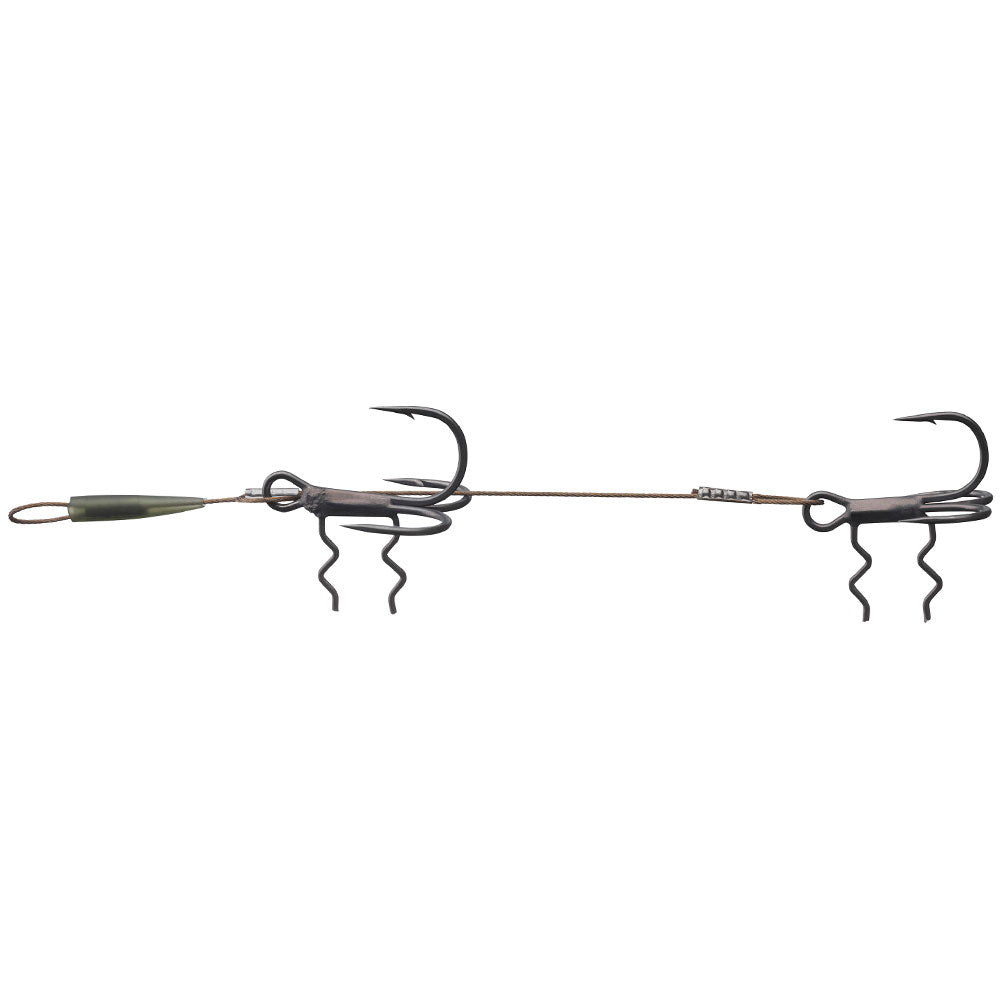
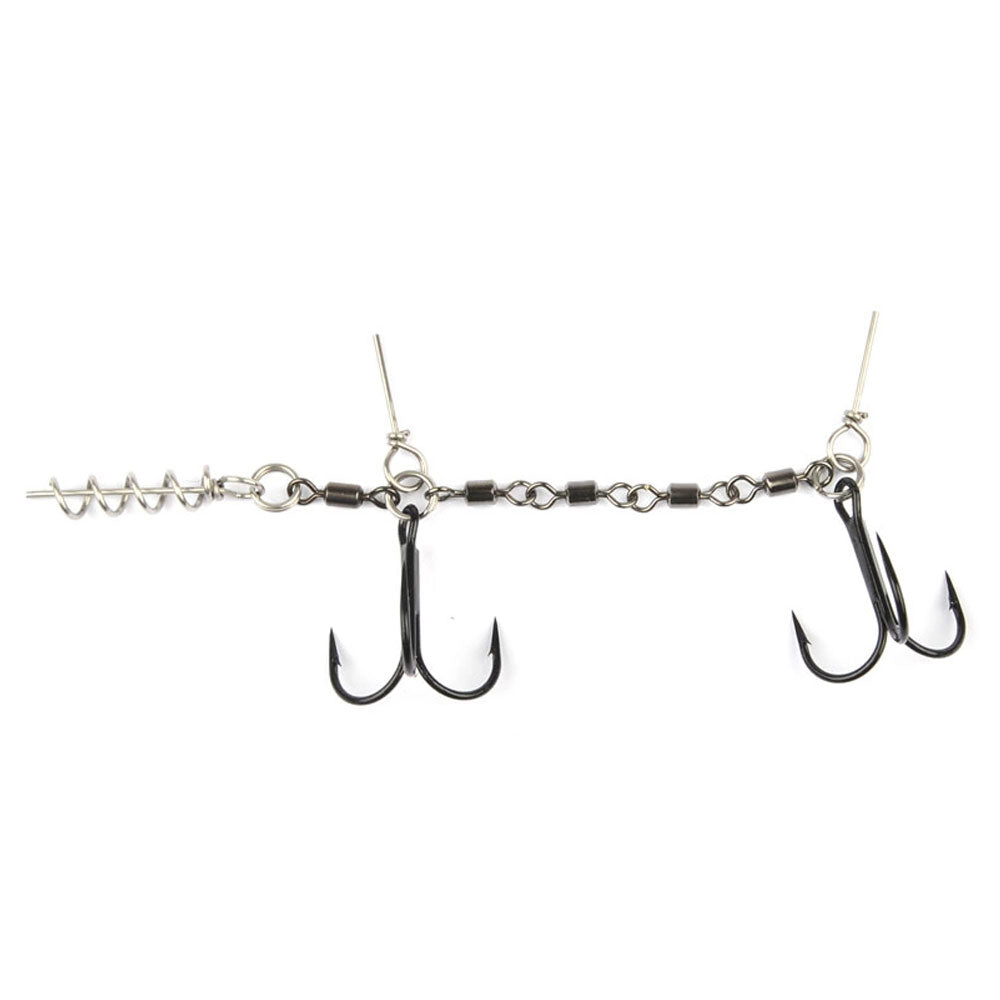
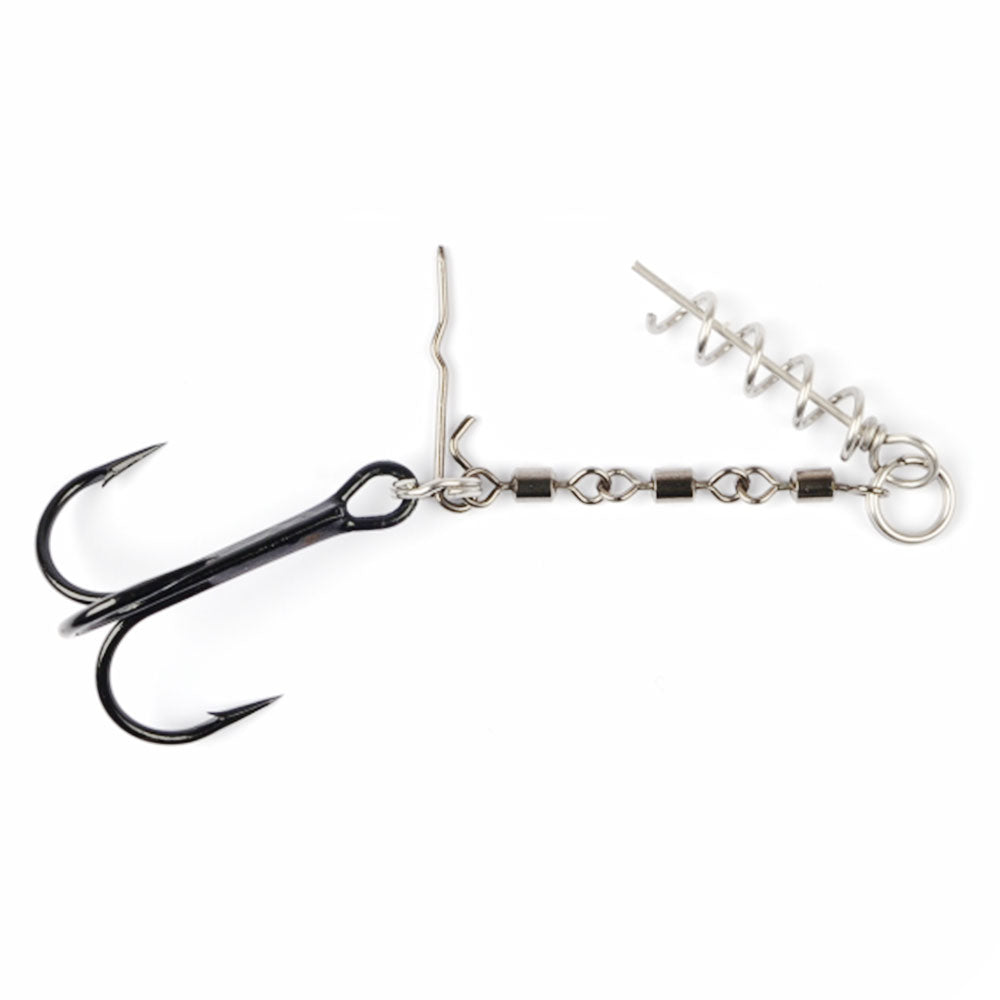
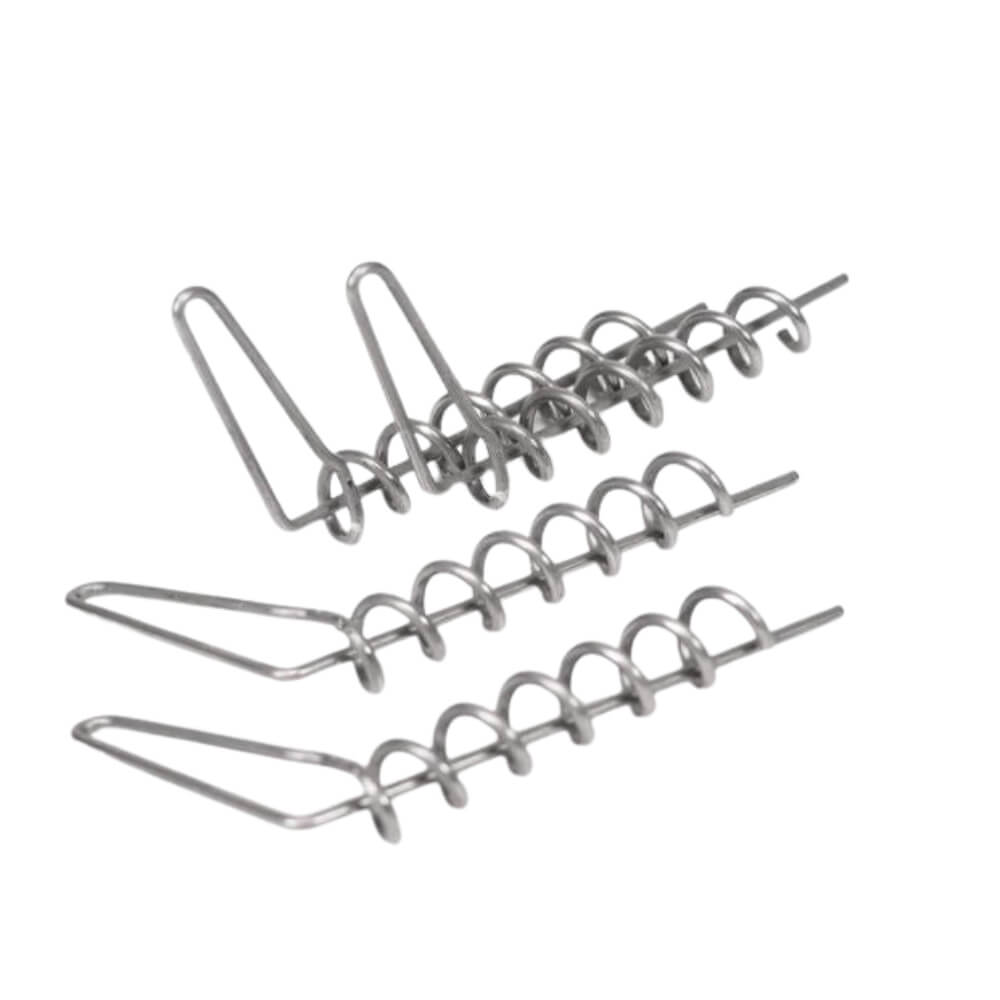
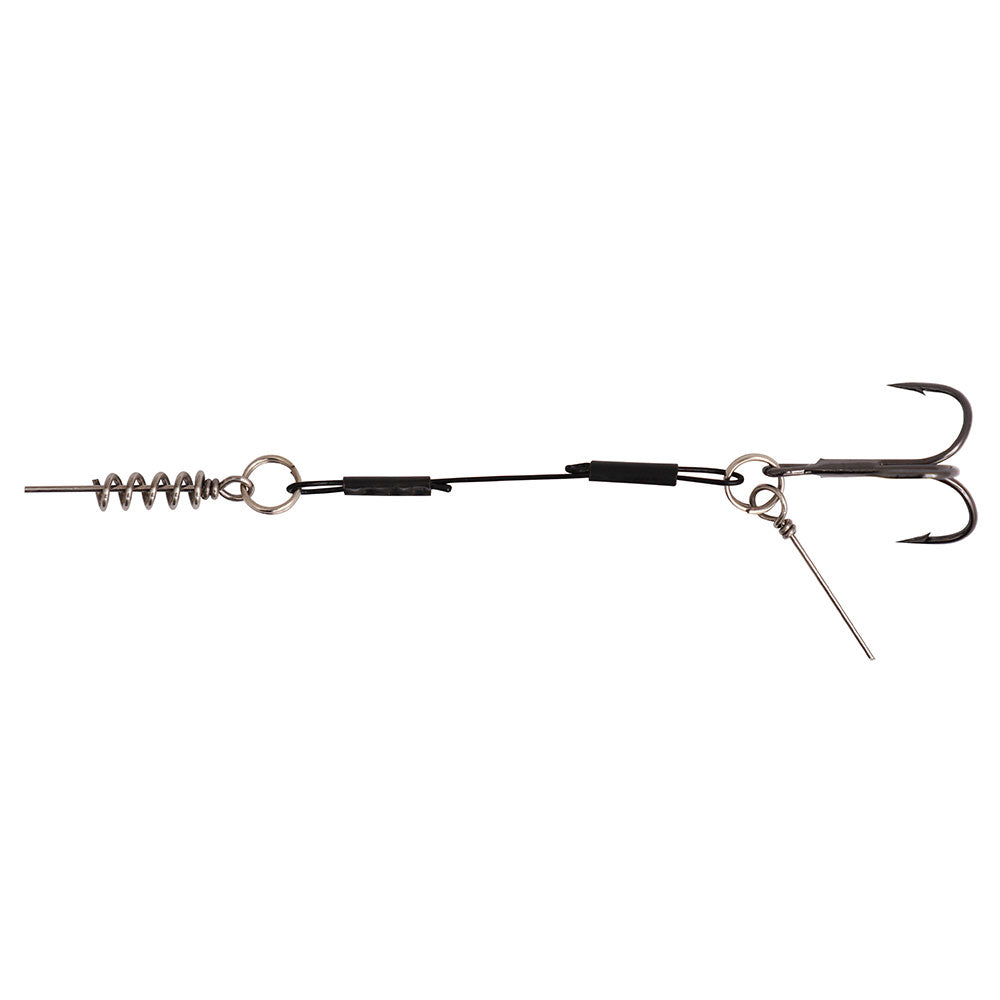
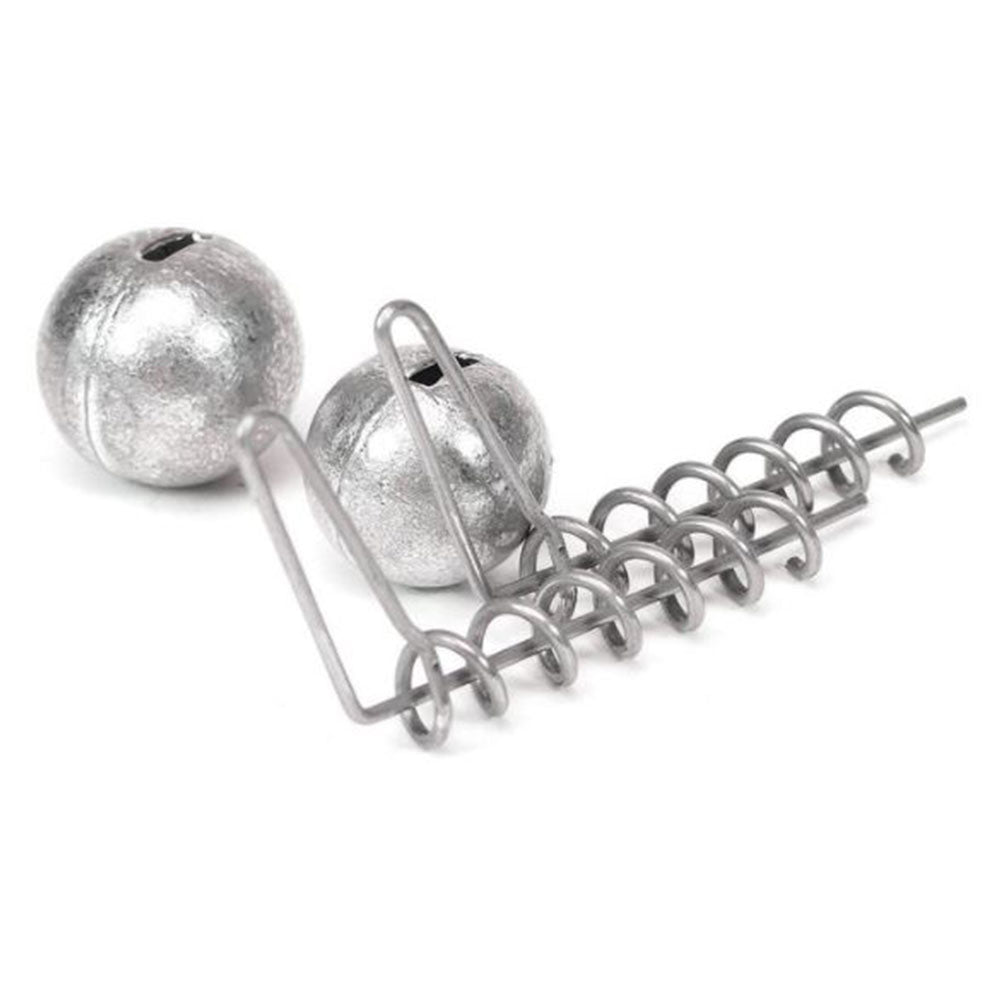

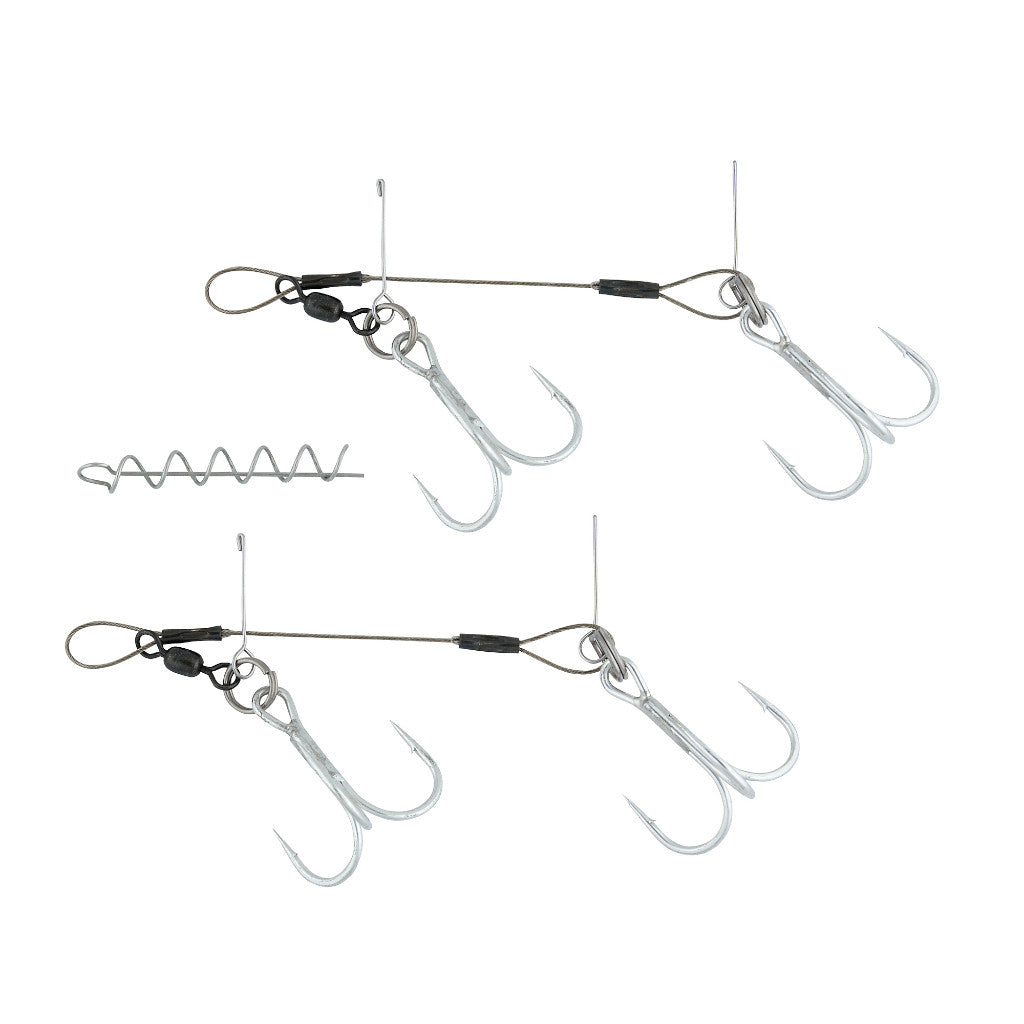


<h2>Flat with a Screw: the Shallow Rig</h2><p>The word <em>shallow</em> means exactly what it says - not much depth. The <em>shallow rig</em> is, on one hand, a rig for fishing in shallow water, but on the other hand so much more: it has become the foundation for almost all fishing with large soft lures for pike.</p><p>The idea grew out of the problem of how to rig extremely large soft lures with hooks in a sensible way. Particularly with firmer rubber compounds that <strong>withstand multiple pike attacks</strong>, it is barely practical to thread a conventional jig head through the body. On top of that, jig heads above a certain hook size interfere unnecessarily with the lure's action. A method was needed that would, on the one hand, secure the lure so it survives the cast without flying off, and on the other hand house the hook system in a way that could hold large fish reliably.</p><h3>Where Does the Shallow Rig Come From?</h3><p>The exact origin of the idea is unknown, but at some point someone came up with the concept of fitting a sturdy spiral made from <strong>stainless steel</strong> with an eye at its front end and screwing this <em>shallow screw</em> several centimetres into the nose of the soft lure. Fixed in this way, you could cast the lure hundreds of times over hours, days and weeks without it coming loose - the secure hold of the soft lure was sorted. What remained was finding a place for the hooks. Initially these were attached to the <em>shallow screw</em> via wire trace and crimps, with one of the three hook points positioned inside the soft lure. This connection made fishing for pike very effective: lure and fish held firmly. However, the short trace sections twisted up quickly, meaning the hook systems had to be replaced frequently and with considerable effort. The hooks also had a habit of tearing slots in the soft lure body when a fish bit, making the lure unusable in short order.</p><p>Over the years, the shallow rig - thought to originate in Scandinavia - was refined and reworked continuously and is now used widely in many different forms.</p><p>As it evolved, the individual components were expanded with many specialist parts. As a result, <strong>systems are now common that essentially last indefinitely</strong> and require only the occasional replacement of individual components.</p><h3>Individual Components of the Shallow Rig</h3><p><strong>Modern shallow rigs consist of the following components:</strong></p><ul><li>Shallow screw (system)</li><li>Treble hook(s)</li><li>Stinger spike(s)</li><li>Multi-swivel</li><li>Split rings</li><li>Wire trace (optional)</li></ul><p>The wire trace is now frequently made redundant by the use of multi-swivels. This greatly increases the durability and longevity of the rigs and prevents the rig from twisting altogether.</p><h4>Shallow Screw</h4><p>The job of the <em>shallow screw</em> has not changed since the beginning. In addition to standard shallow screws, there are now models onto which matching weights can be clipped to adjust the running depth of the lure. When using standard <strong>screws</strong>, a wide selection of clip-on weights is available that swap quickly and serve the same purpose. This means you can turn a shallow rig into a <em>deep rig</em> in no time at all. In principle, this rig allows you to fish the entire water column from the surface right down to the bottom.</p><h4>Treble Hook</h4><p>The treble hook or treble hooks are connected to the shallow screw via split rings and multi-swivels. The stinger spikes are also attached to the treble hooks using split rings.</p><h4>Stinger Spike</h4><p>Stinger spikes are <strong>pins with eyes made from stainless steel wire</strong>, available with or without barbs. You simply push them into the body of the soft lure, where they hold the treble hooks in the right position. When a fish bites, they pull free from the soft lure body without damaging the lure. This means soft lures last considerably longer and, during the fight, a hooked fish has less chance of levering the hook free. The soft lure also frequently clears the danger zone and hangs outside the pike's mouth, so it takes no further punishment during the fight.</p><p>The overall result is a fully flexible pike system that has developed over the years and can be set up entirely according to your personal preferences. It can be built for any lure size. You can choose whatever hook arrangement you like. The weight distribution on the lure is adjustable.</p><h2>Shallow Rig as a Video</h2><p>The following images and videos give you more detail on how to build a shallow rig and how to put it to good use on the water.</p><p><iframe frameborder="0" src="https://www.youtube.com/embed/8Ffp9W3vHTs" width="560" height="315" allowfullscreen=""></iframe></p><p><iframe frameborder="0" src="https://www.youtube.com/embed/oLzJ60pLPN8" width="560" height="315" allowfullscreen=""></iframe></p>