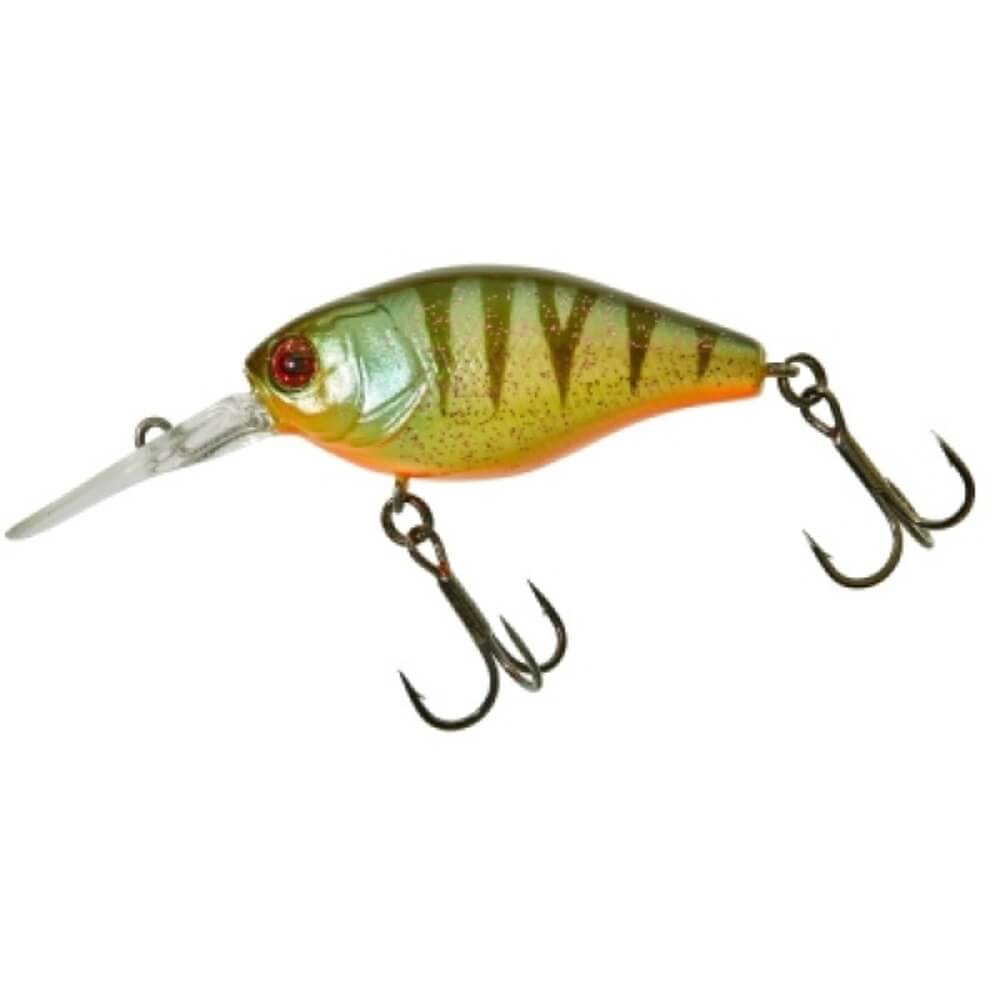
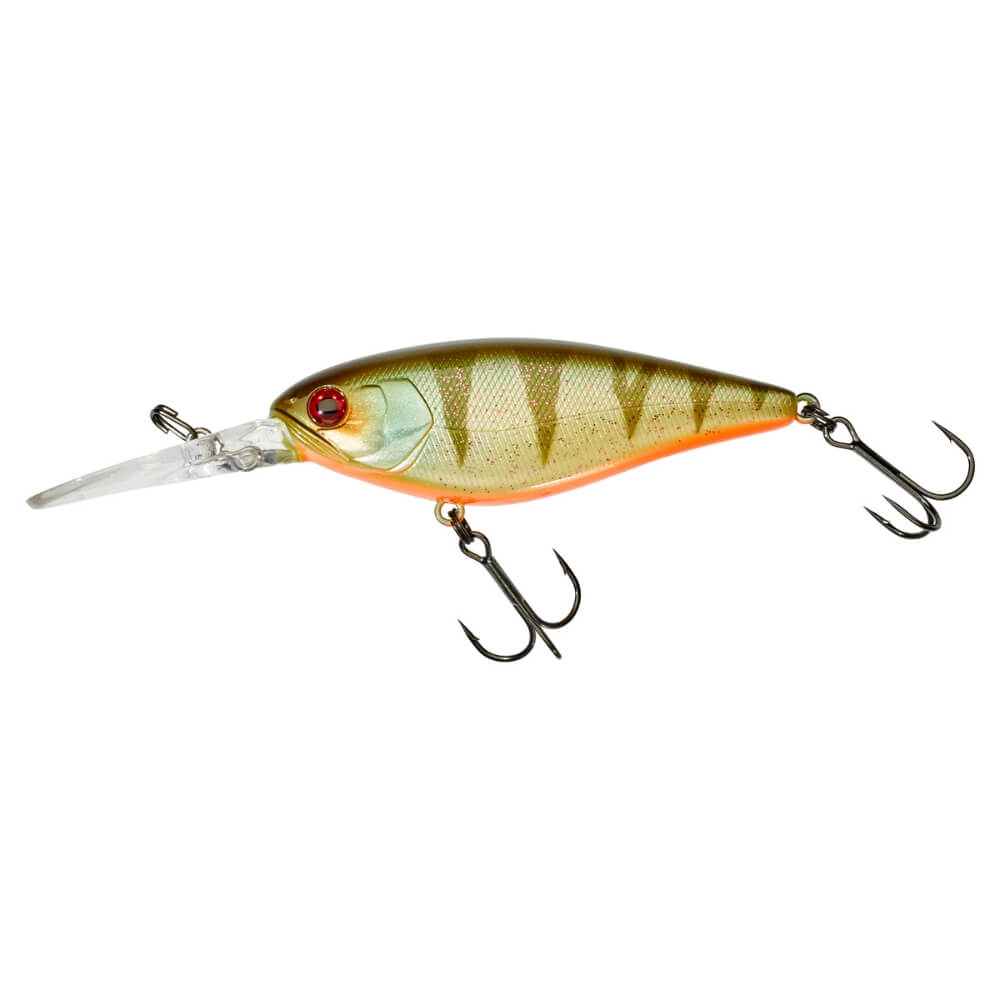
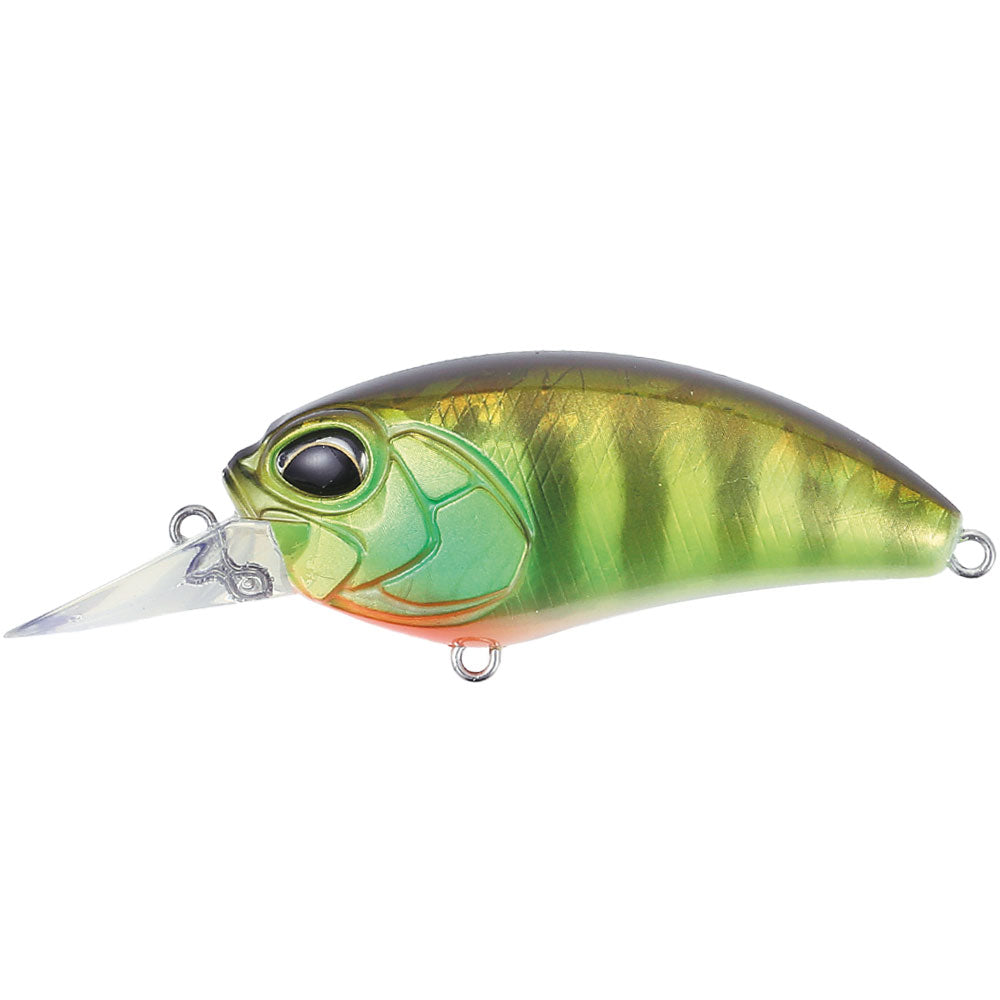
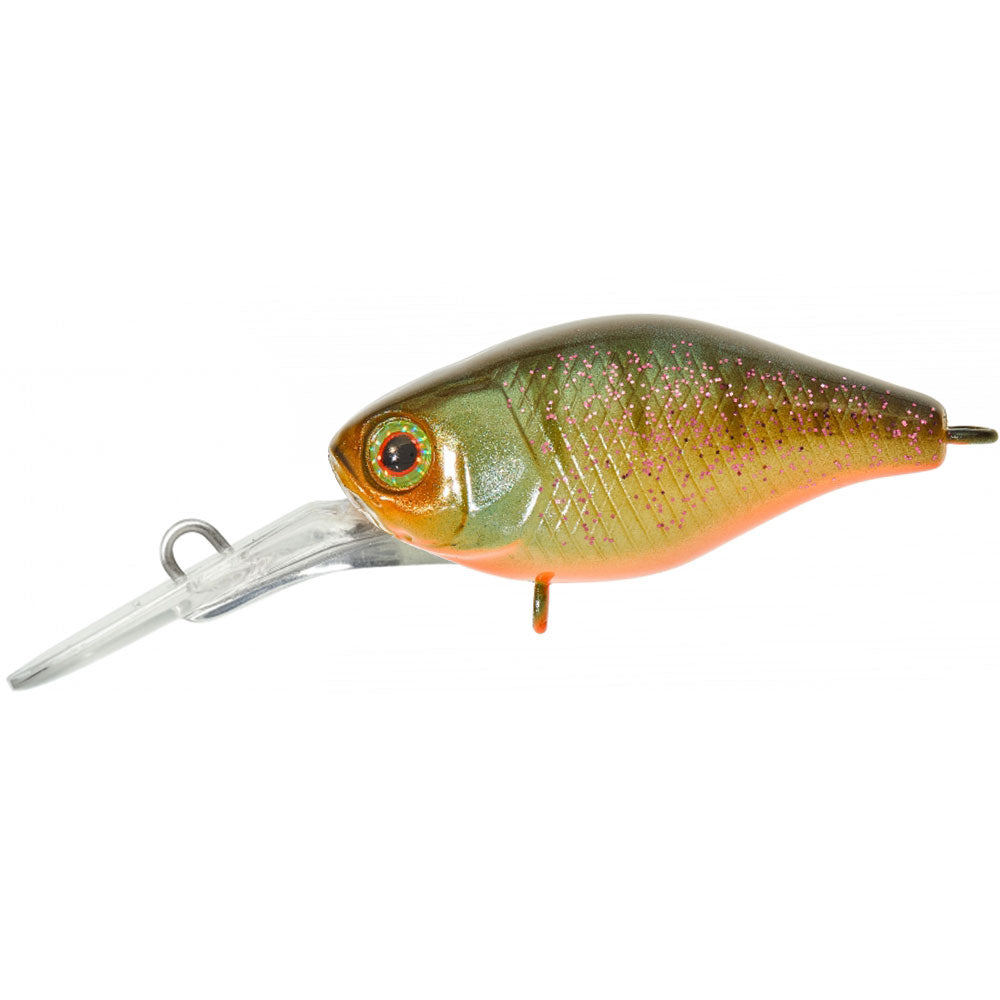
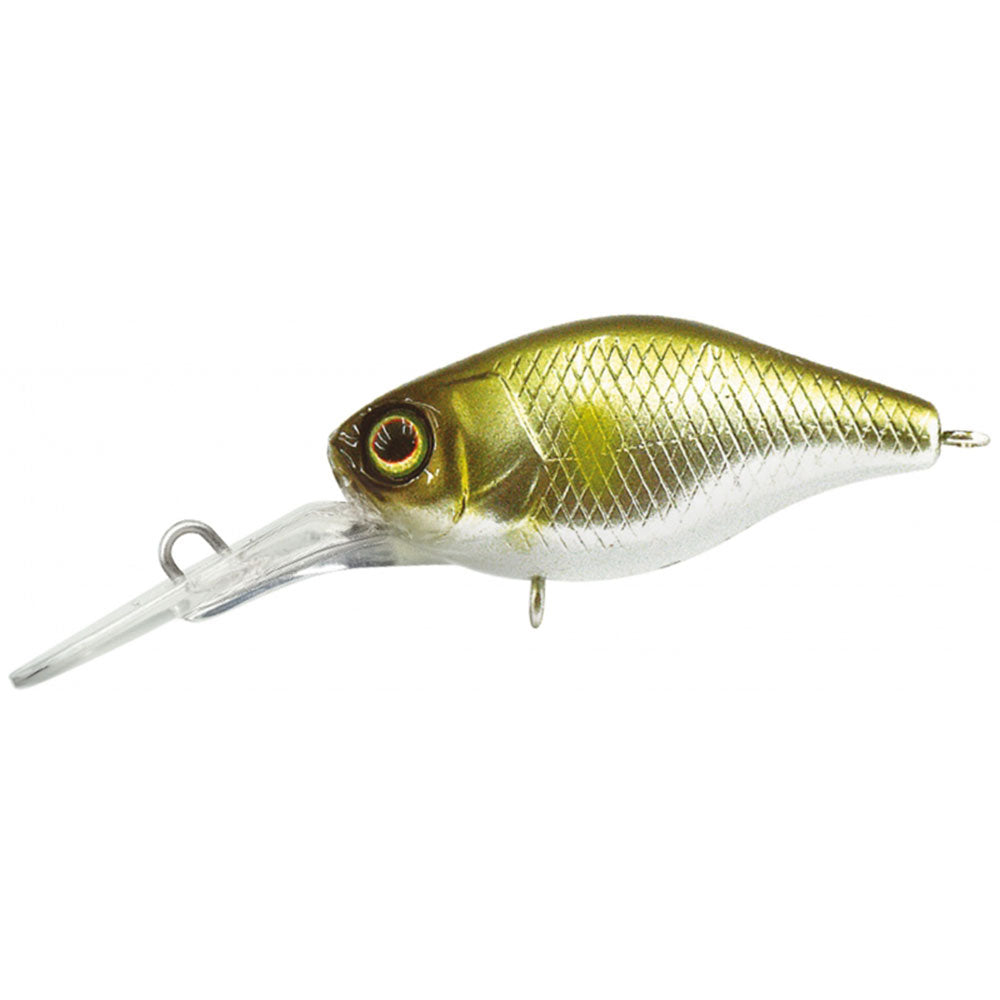
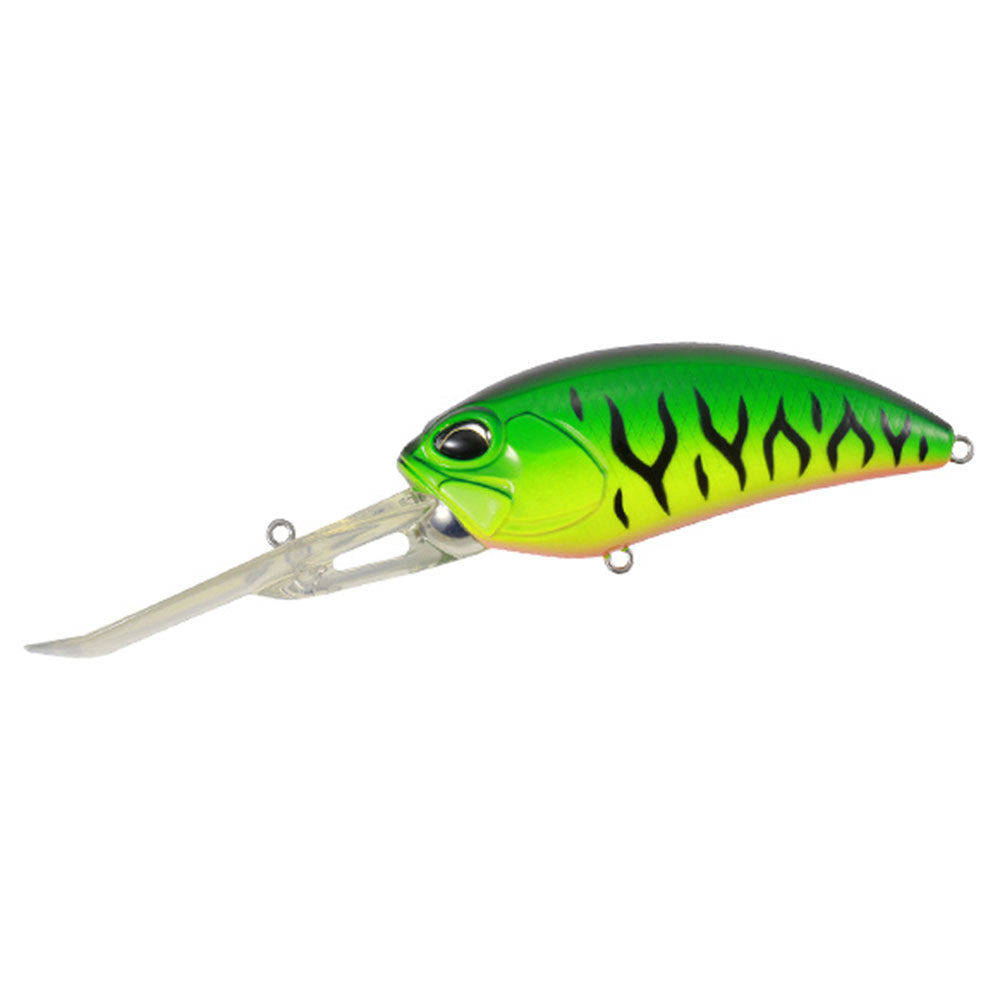
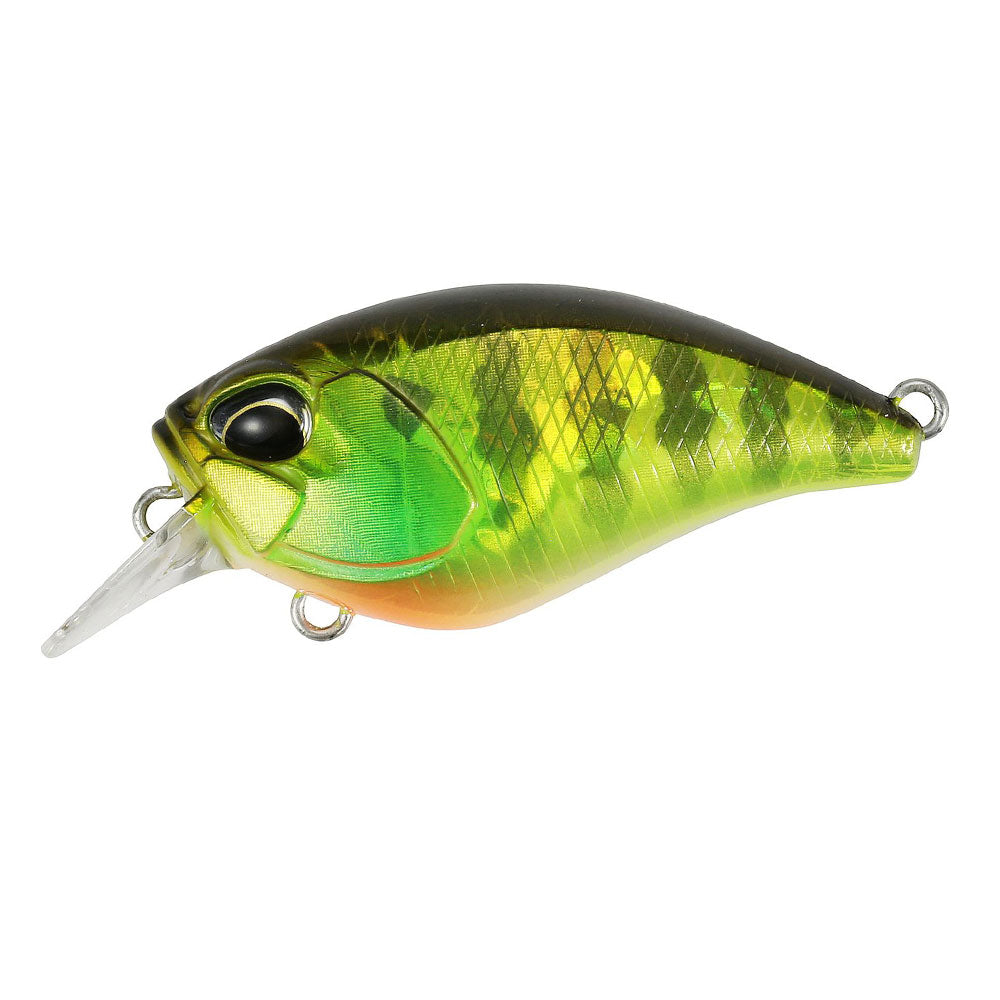
<h2>Buying Guide: Crankbaits</h2><p>Crankbaits are small, compact <strong>hard lures</strong> with a diving bill, made mostly from plastic. They are used primarily as search baits, letting you work larger bodies of water quickly to locate fish and often producing the first bites of the session. That makes cranks a solid choice even for newcomers to lure fishing. They catch on a straight retrieve - simply <em>cranking</em> - and there are plenty of situations where nothing else comes close for bite frequency.</p><h3>The Basics</h3><p>Thanks to their lively, erratic action, crankbaits are often the first choice in warmer water. As a subset of hard lures overall, they share many characteristics with other plugs, but two things set them apart: a relatively bulky body that displaces a lot of water, and a high-frequency action. Together, these trigger <em>reaction strikes</em> - aggressive attacks even from predators that were otherwise inactive. The key characteristics to understand are:</p><p><h4>Running Depth</h4>:</p><p>Running depths are usually printed on the packaging. These figures assume a cast lure retrieved at medium speed. When you are <strong>trolling</strong>, the lure will run roughly 15-20% deeper depending on your distance from the boat.</p><p>Some manufacturers leave out precise depth figures, but with a few clues you can read the depth range from the model designation and the bill shape:</p><ul><li><strong>Shallow runners</strong> move just beneath the surface - so-called <em>Supershallow Runners</em> (<em>SSR</em>) - or down to around one metre (<em>Shallow Runners</em>, <em>SR</em>). You can spot them by their short, steeply-angled bill.<br><br><img src="https://cdn.shopify.com/s/files/1/0548/9197/0669/files/Westin_fat_bite.jpg" alt="Flachläufer Crankbait" width="247" height="133"></li><li><strong>Medium runners</strong> work the next zone down, usually to around 2 metres, and are sold under designations such as <em>Medium Runner</em> (<em>MR</em> or <em>MD</em>). They have a slightly longer, less steep bill.<br><br><img src="https://cdn.shopify.com/s/files/1/0548/9197/0669/files/duo-crankbait.jpg" alt="Mitteltief laufender Crankbait" width="211" height="98"></li><li><strong>Deep divers</strong> (<em>(Super-)Deep Runners</em>, <em>(S-)DR</em> or <em>DD</em>) dive to 3 metres and beyond, with a nearly flat bill that can approach the body length of the lure itself.<br><br><img src="https://cdn.shopify.com/s/files/1/0548/9197/0669/files/river2sea-crankbait.jpg" alt="Tiefläufer Crankbait" width="201" height="74"></li></ul><p><h4>Buoyancy</h4>:</p><p>Three buoyancy types exist:</p><ol><li><em>Floating</em> (short: <em>F</em>): the lure floats and rises back to the surface when you pause the retrieve.</li><li><em>Suspending</em> (short: <em>SP</em>): the lure hovers at the depth it has dived to during a pause - it stays in the zone.</li><li><em>Sinking</em> (short: <em>S</em>): the lure sinks slowly and then typically runs at a steady depth.</li></ol><h3>Action and Bill Terminology</h3><p>All crankbaits share that lively, rolling action, but how far they break to the side depends on the width of the bill. A wider bill produces a more exaggerated, weaving action. Long, wide bills create a steep dive with strong lateral movement, while a shorter, narrower bill results in a shallower dive and a more direct track through the water.</p><p><h4>Bill Terminology:</h4></p><ul><li><em>Round Bill:</em> crankbaits with a rounded bill are often medium or deep divers with a lively action. As well as kicking up sediment when they tick bottom, round bills offer another advantage: when the lure hits an object such as a stone, it deflects sideways around it. A central hit causes the body to kick up steeply, keeping the hooks away from the snag. The wider the round bill, the more pronounced this effect.</li><li><em>Square Bill:</em> the bill here is typically small and steep, but above all - as the name suggests - rectangular or square. Square bills track over obstacles rather than deflecting around them, and they produce a wider, more exaggerated wobbling action than a round bill. These are usually shallow-running models that excel in cover.</li><li><em>Coffin Bill:</em> <em>Coffin</em> means exactly what it sounds like, and the bill shape matches it. Coffin bill cranks are almost always deep divers and combine the deflection characteristics of both bill types described above when they contact structure.</li><li><em>Scatter Lip:</em> scatter lips are concave bill shapes where the outer edges curve slightly upward, giving the lure an almost grinning look. The action is very erratic and irregular, which means these lures fish attractively even on a straight retrieve without any pauses or twitching.</li></ul><h3>Seasons</h3><p>A <em>stop-and-go</em> retrieve works throughout the year as long as you adjust pause length to the water temperature - the colder the water, the longer the pause. Beyond that, different cranks produce best at different times of year:</p><ul><li><strong>Spring:</strong> as the water warms, you can speed up your retrieve. Short pauses of up to a second work well here. Shallow runners are in their element at this time of year, as fish tend to be holding in the shallower areas of the water.<br><br></li><li><strong>Summer:</strong> with the water now well warmed up, you can retrieve at a high tempo because the metabolism of predators is running at full pace. Deeper-running lures are the better call during the day, while shallow runners come into their own at lower light levels or when perch and zander are actively feeding.<br><br></li><li><strong>Autumn:</strong> predators are feeding hard to build up condition and have the energy to chase small fish at pace. A medium to fast retrieve over dying weed beds with irregular pauses promises excellent sport.<br><br></li><li><strong>Winter:</strong> an unusual time for crankbaits, but longer, slimmer models with a narrow bill and a more direct track keep producing good fish - particularly when fished with pauses of up to 3 seconds at a medium tempo.</li></ul><h3>Retrieves and Target Species</h3><p>You can simply wind a crankbait straight in. The big advantage of this lure style is that fish attack reactively and have little time to inspect their quarry closely. For this reason, a perfectly natural body shape or realistic finish is rarely essential for a crank to catch fish. In clear water it makes sense to opt for natural colours, while darker tones are a clear recommendation at dusk.</p><p>You can refine the presentation further by working in occasional pauses, during which - particularly with shallow runners and suspending models - most of the bites tend to come. With floating deep divers, a steady retrieve lets you work them right down into bottom structure, and in snag-free areas you can let them tick the bottom and then rise again. That zigzag track and the kicked-up sediment regularly tempts big perch and zander into taking.</p><p>As well as perch, smaller crankbaits will also account for trout, and summer pike are very happy to grab one too. Slim shallow runners are always worth a try for zander on summer evenings.</p><p><strong>Johannes Dietel shows you how to fish crankbaits effectively in this video:</strong></p><p><iframe frameborder="0" src="https://www.youtube.com/embed/haD_aqMQfvg" width="560" height="315" allowfullscreen=""></iframe></p>