










Spinners
Spinners never stop working! The metal lure that catches fish when nothing else will. Particularly effective for trout and perch fishing, spinners enjoy enormous popularity among predator anglers. Here you'll find a selection of the most productive rotating lures the market has to offer.


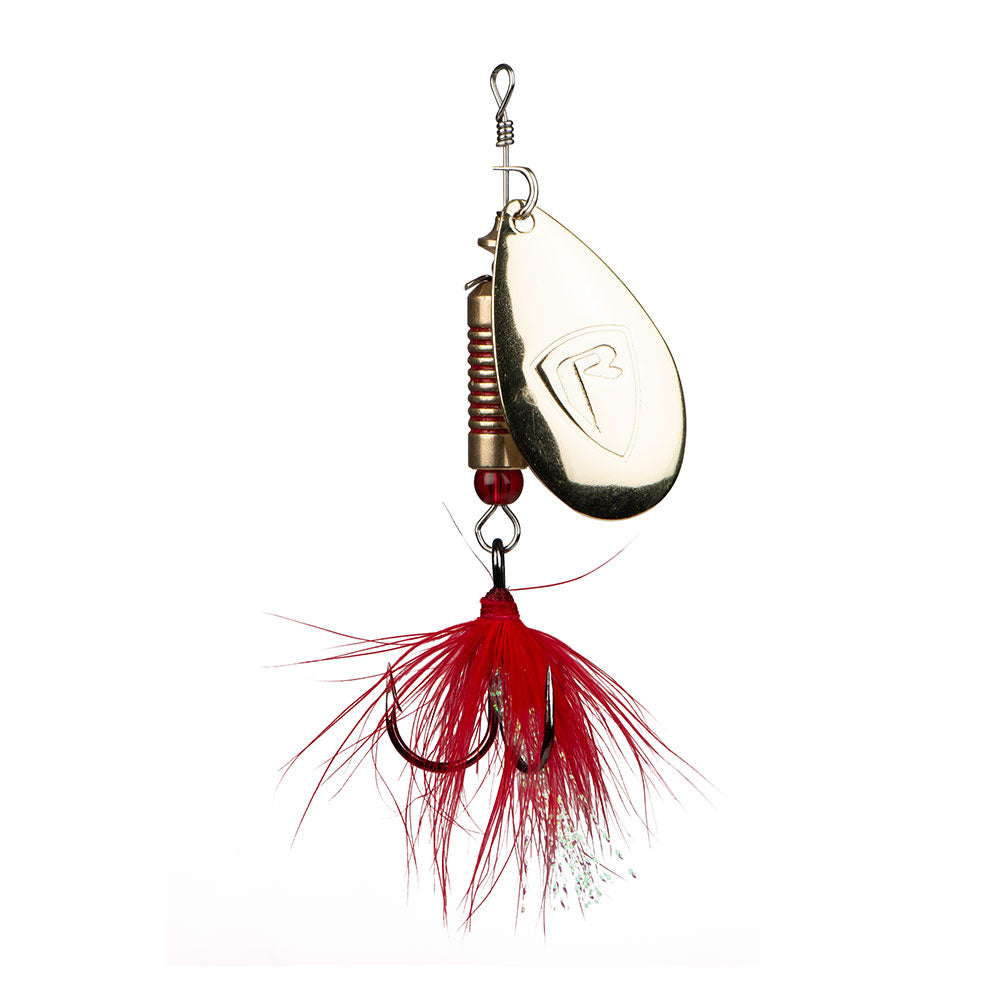


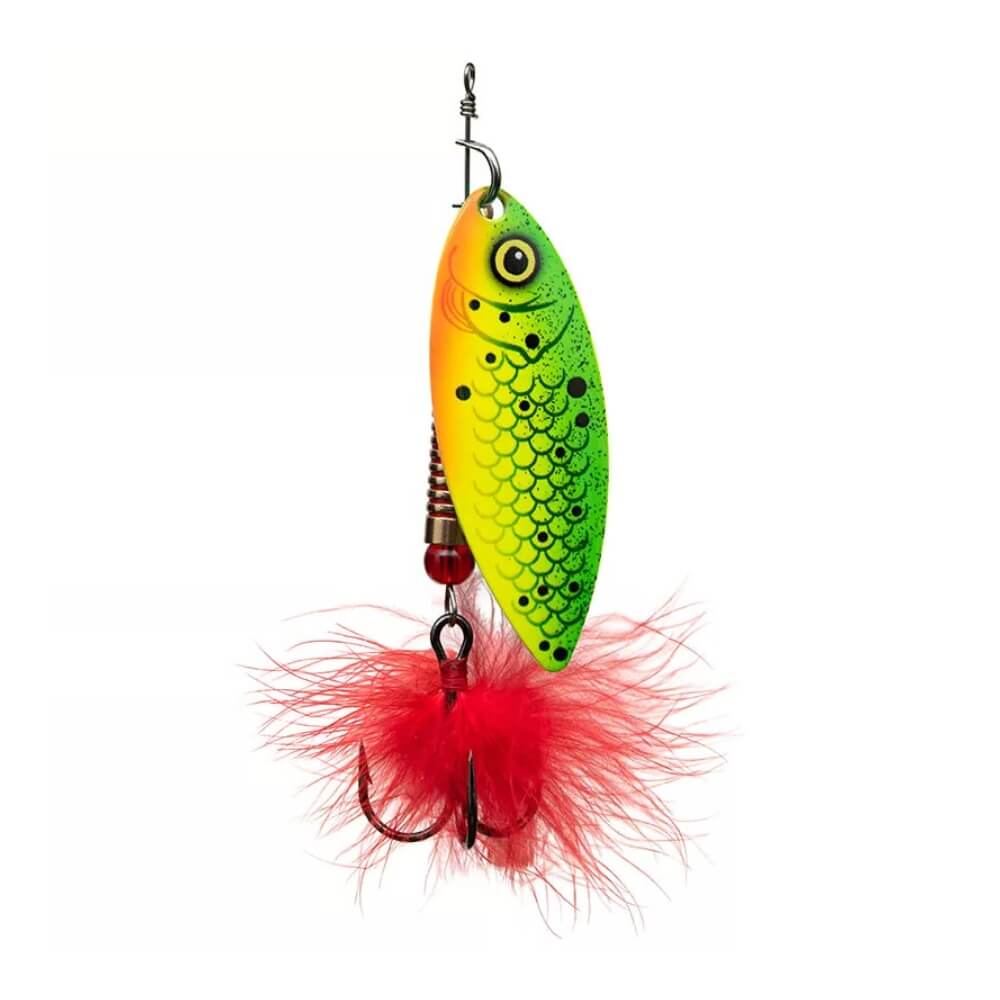


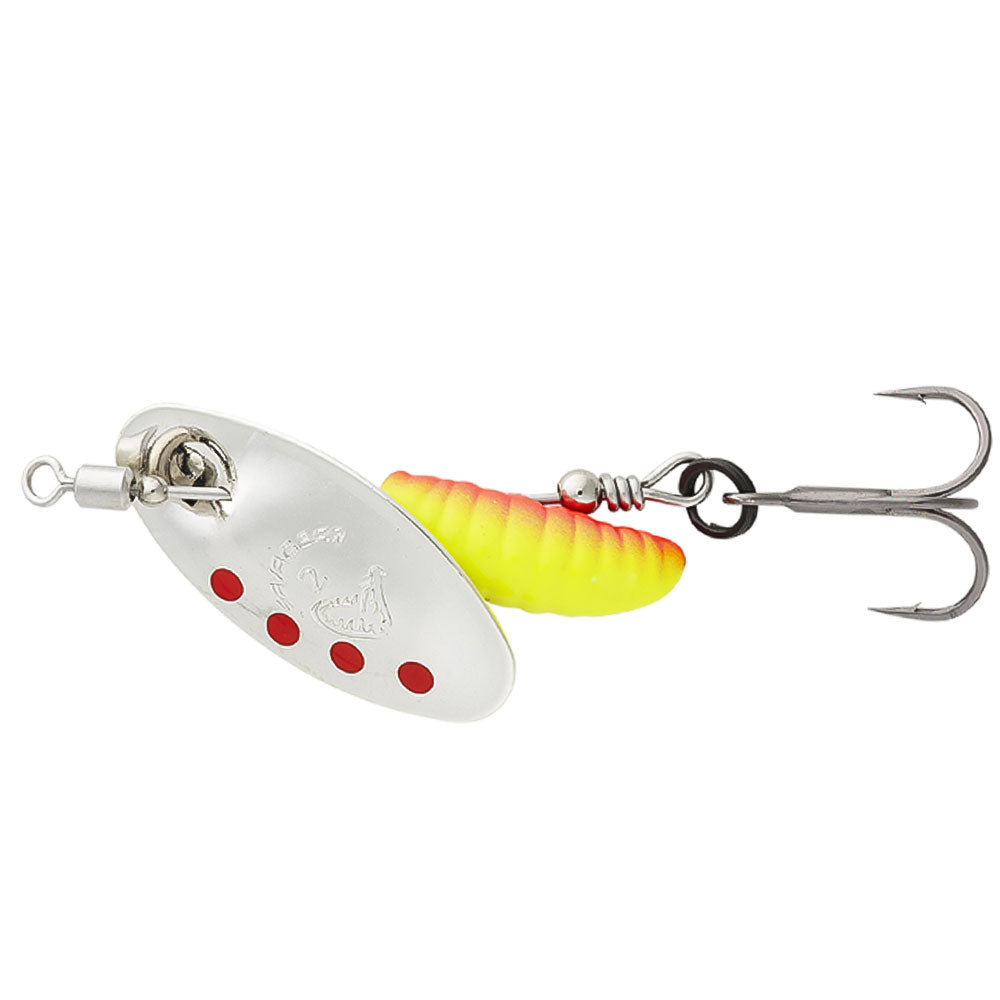

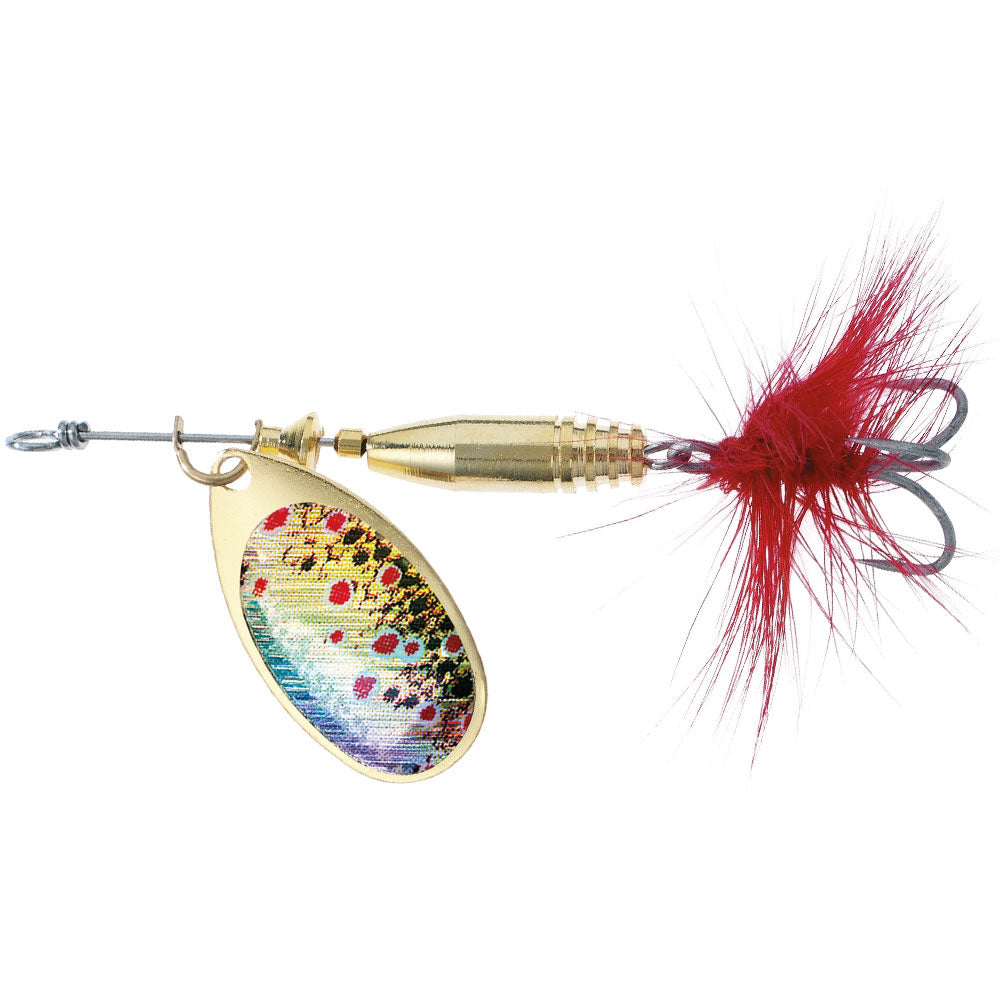


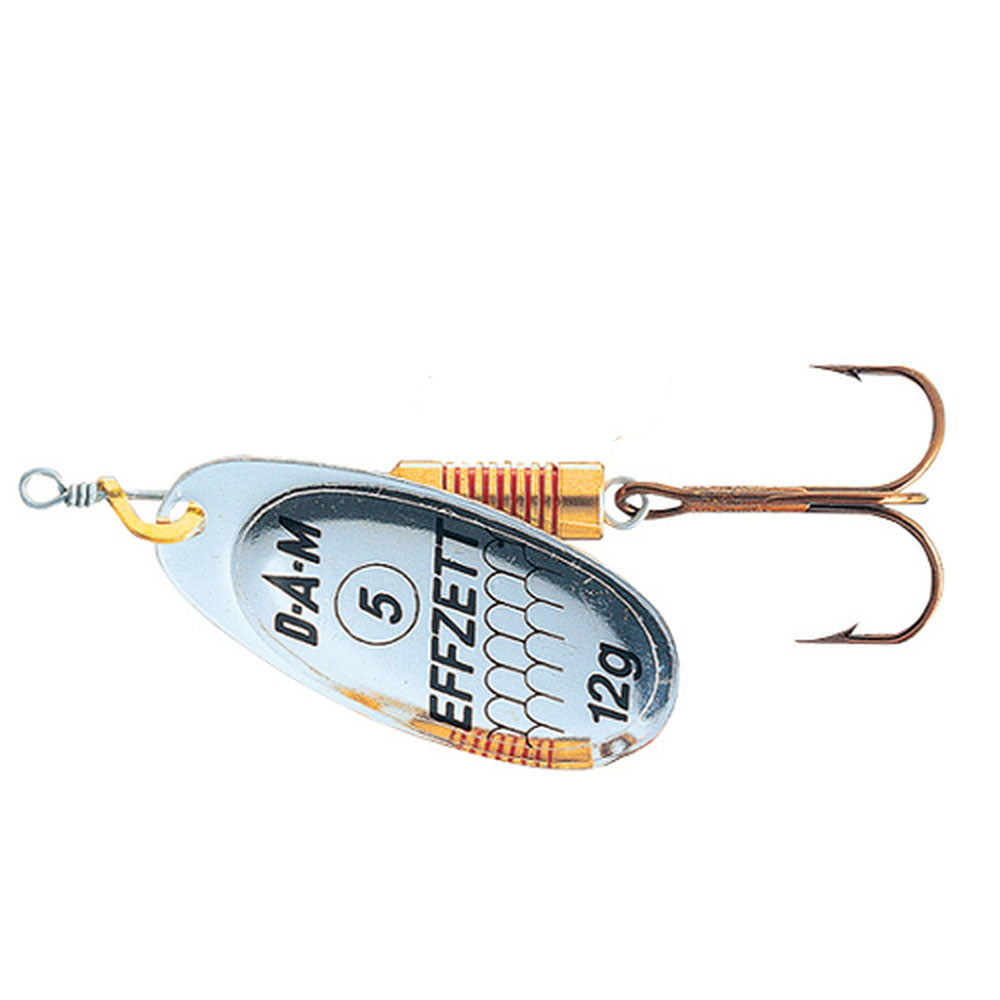

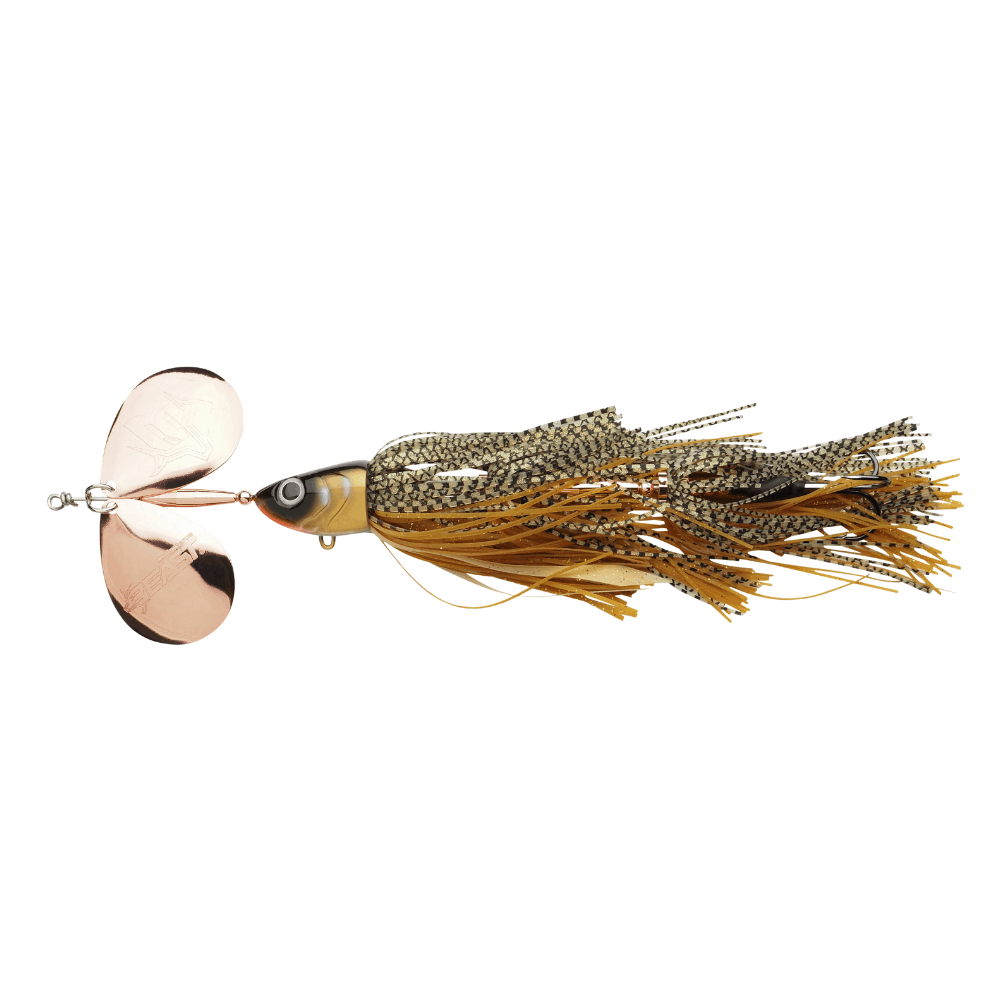


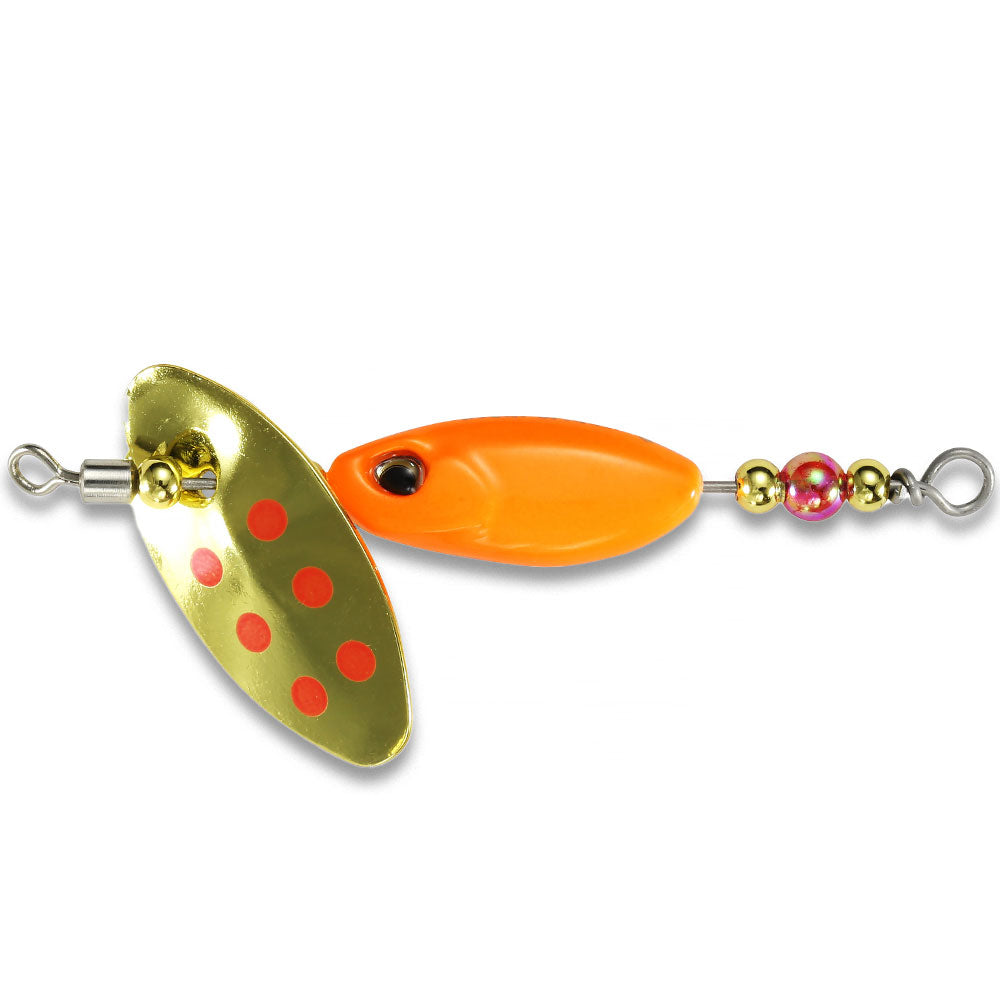

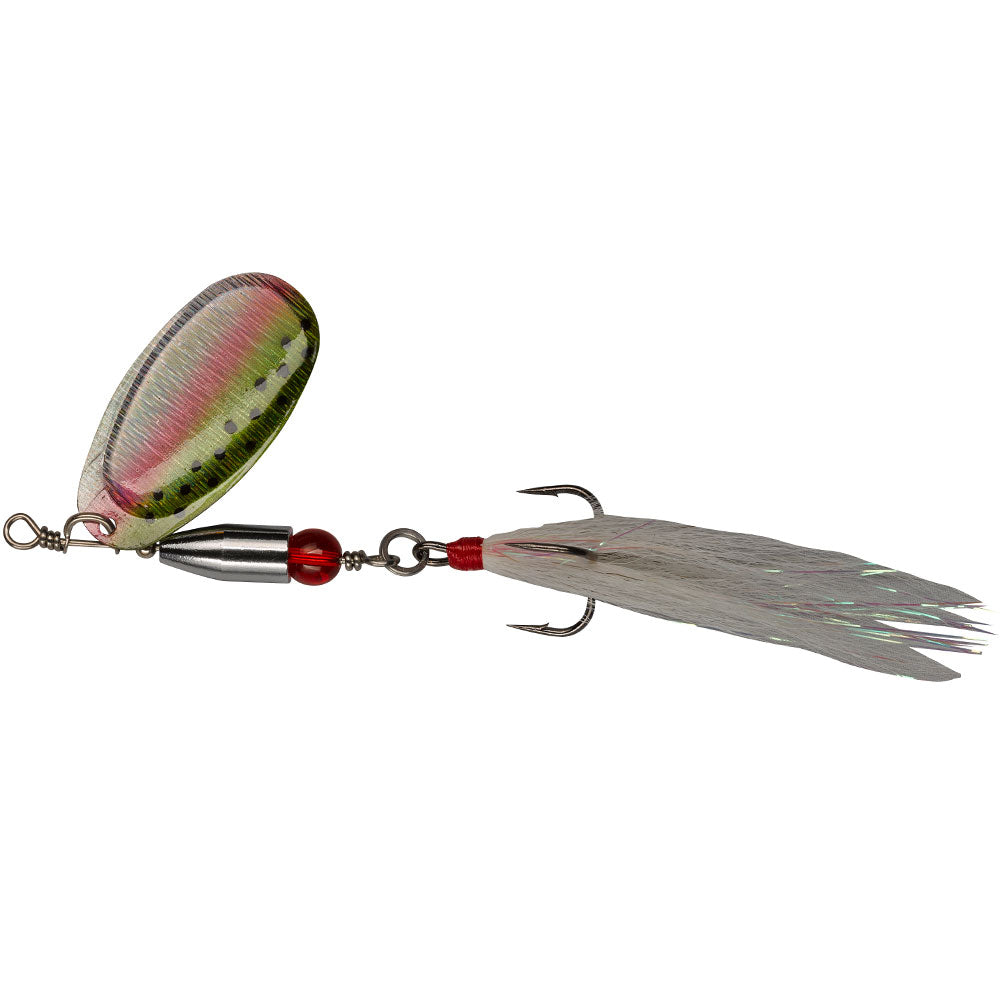

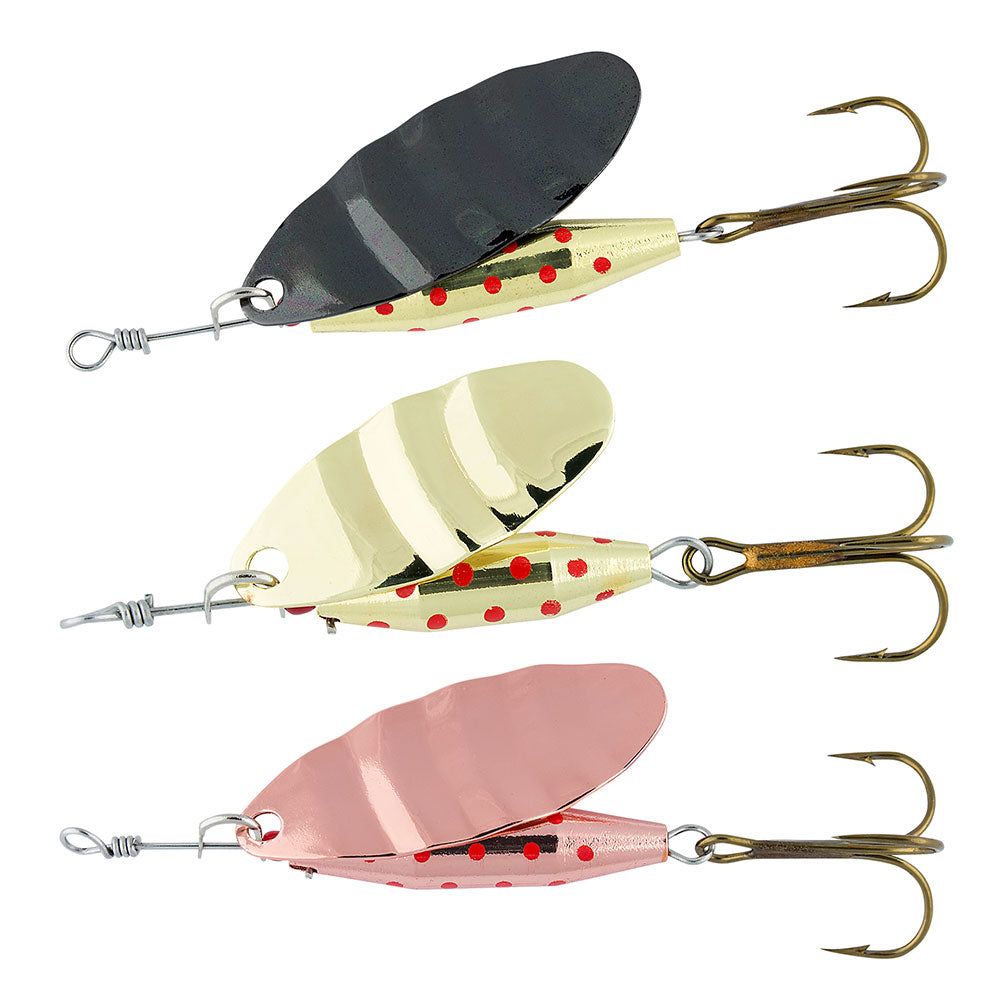


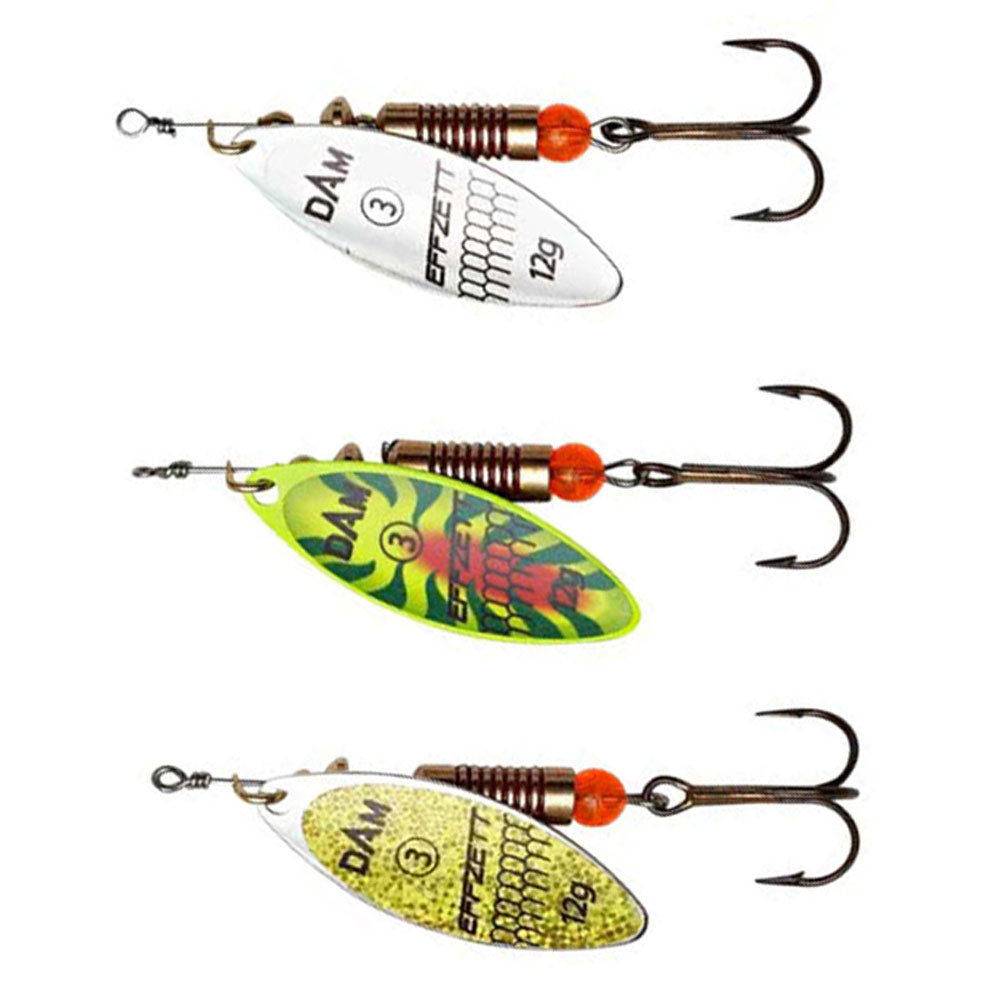


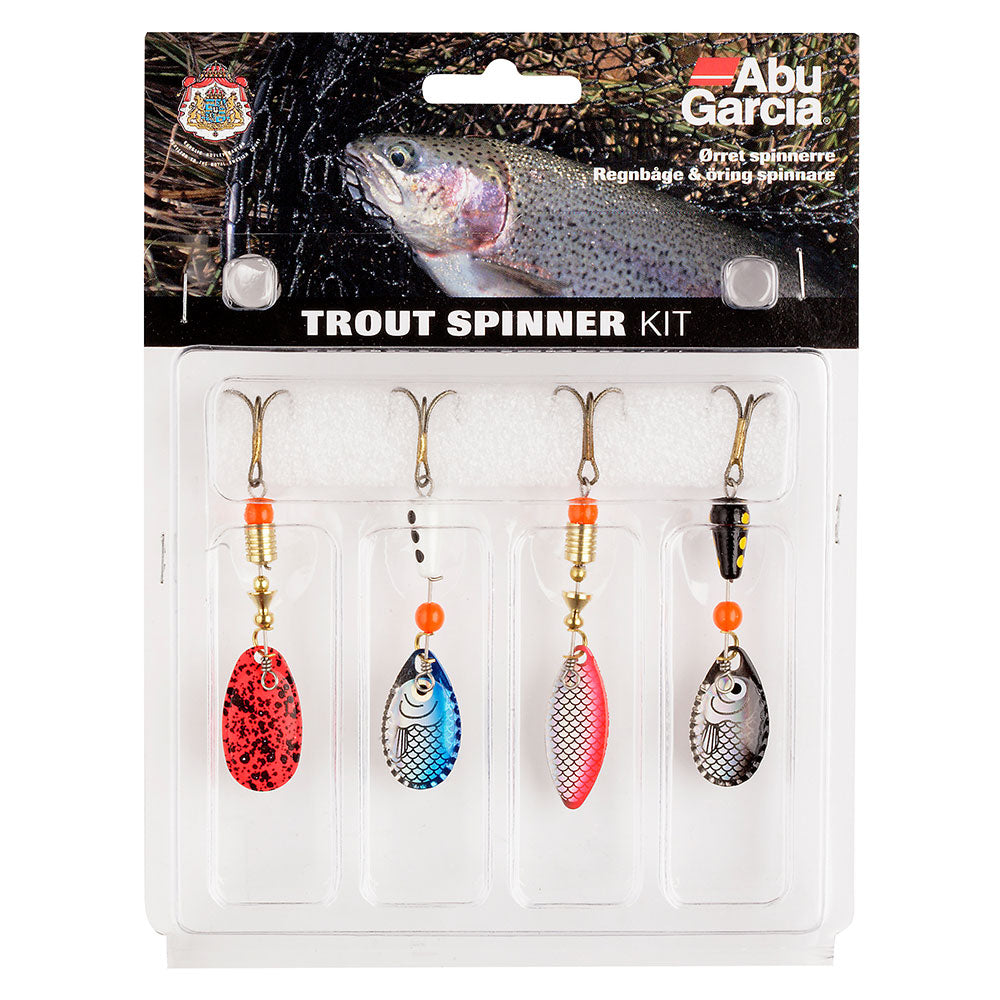

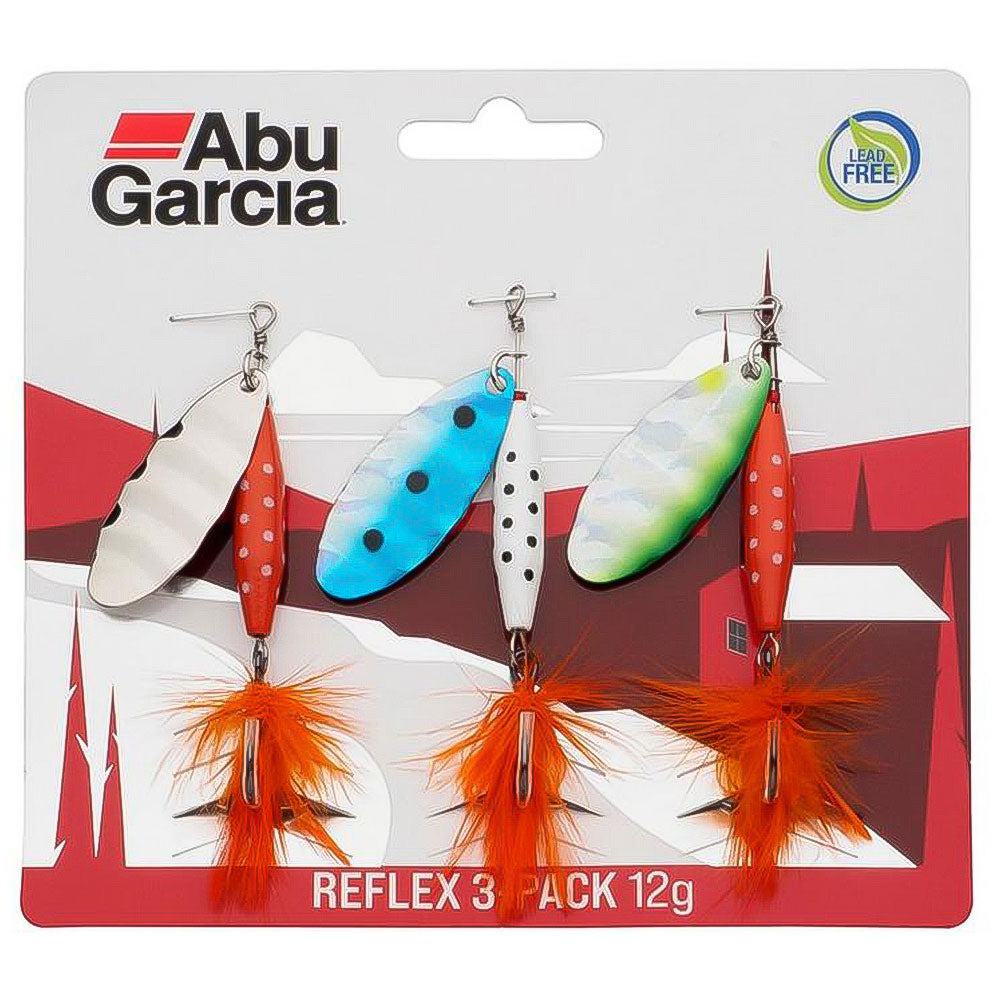


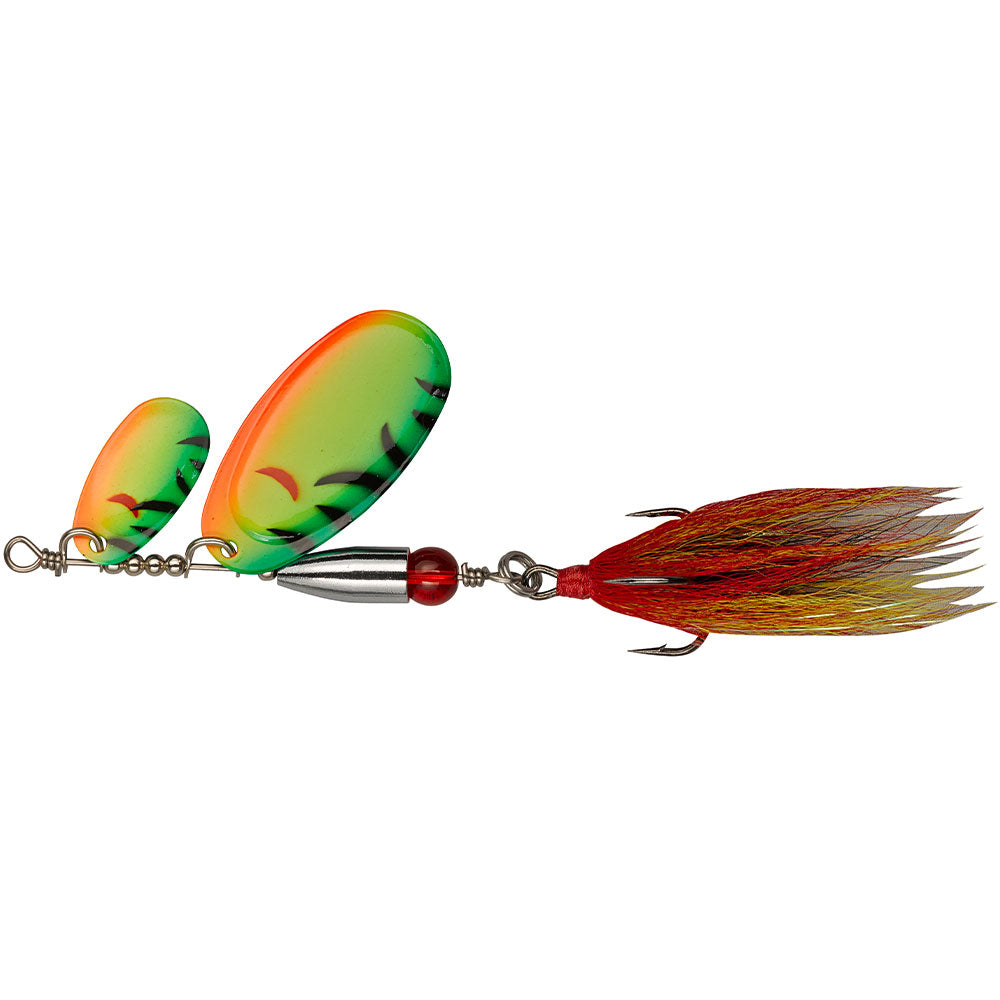
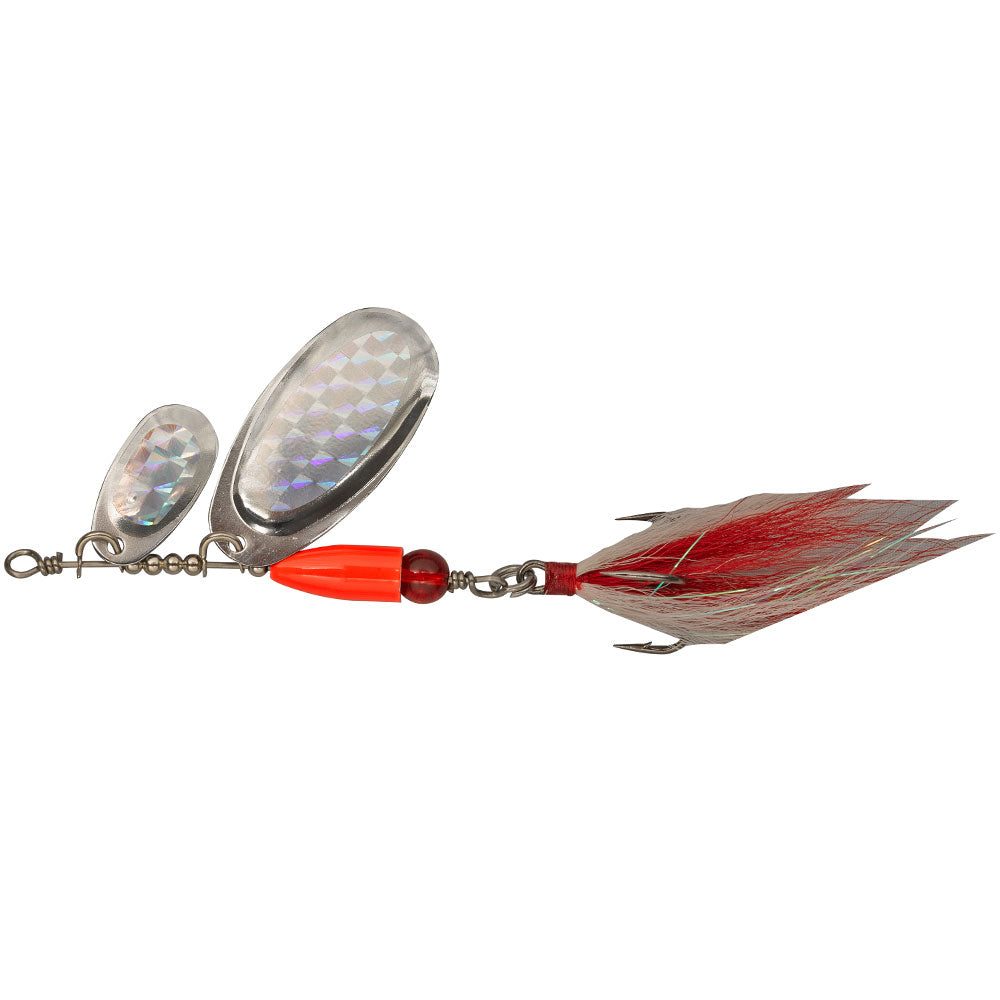
<h2>Buying Guide: Spinners</h2><p>The classic spinner is a true all-round lure that belongs in every tackle box! It not only gave lure fishing its name, it catches every predator in the water.</p><h2>Basics and Construction</h2><p>They may look a little abstract in the box, but put them in the water and they come alive. Spinners are built around a rigid wire shaft with a <strong>treble hook</strong> at one end. At the other end sits the eye, where you attach your snap. A weighted body is usually threaded onto the shaft. It is around this wire that all the spinner's fish-catching ability plays out: a metal blade mounted on the shaft rotates around the axis under tension, sending out constant pressure waves. This is precisely what makes the spinner unique! Among some anglers this lure has a reputation as a beginner's bait - which is actually down to one of its greatest qualities: all you have to do is cast it out and turn the handle, and the spinner does the rest for you.</p><h2>Where to Use Them</h2><p>For the reasons above, the spinner's range of applications is almost limitless. You can use it to search large areas of water, get to know the predator population of a venue, and quickly cover interesting spots. In early summer, small and very small sizes work well tight to weed, under overhanging trees and in shallow bays, while a larger spinner in open water comes into its own during summer. Even in cold water, large and heavy spinners catch fish, and in small streams they are - alongside plugs and spoons - the first choice for trout.</p><p>On difficult days this lure often produces a fish when everything else has failed. This may partly be because spinners are used less often these days and fish have forgotten about them, and partly because they provoke <em>reaction strikes</em> from predators that will attack even when they are otherwise inactive.</p><p>How fast the blade rotates and how much pressure the lure produces depends not only on the size of the blade but above all on its shape. There are two main spinner types:</p><ul><li><strong>Spoon- or Indiana-Blade</strong>: This is the most common blade shape. It is the all-rounder - generating plenty of pressure and rotating at even the lightest pull. The larger the blade surface, the slower you can retrieve the lure. This wider blade runs slightly shallower than the narrow shape.<br><img src="https://cdn.shopify.com/s/files/1/0548/9197/0669/files/Savage-Gear-Caviar-Spinner-Fluo-Yellow-Chartreuseuc7yKMjaSapxX.jpg" width="200" height="200" alt="Spinner mit Indiana-Blade"></li><li><strong>Willow-Blade</strong>: This narrower variant has two advantages over the <em>Indiana-Leaf</em>: it casts a little better in the wind and it is better suited to fast-flowing streams, where the water pressure on a narrow blade is considerably lower.<br><img src="https://cdn.shopify.com/s/files/1/0548/9197/0669/files/Spinner_Willo_leafpZcUS6DjmxE6G.jpg" width="200" height="200" alt="Spinner mit Willow Leaf"></li></ul><h2>Retrieve Technique</h2><p>As mentioned above, you can simply cast the spinner out and wind it back in, and this approach will catch you fish. You can do this at various depths depending on how long you let the lure sink beforehand. That said, spinners are limited in running depth due to their relatively light weight and high water resistance. Most models can comfortably be fished between 0.2 and 3 m.</p><p>You can further improve results by incorporating retrieve pauses. Stop the reel after a few turns of the handle and resume after about half a second - wary fish will often take during these slower phases. Do the same if you feel fish nudging the lure out of curiosity, which you'll notice when the blade stops spinning or you feel a light knock through the rod.</p><p><iframe width="560" height="315" src="https://www.youtube.com/embed/-D1EYQi23UA?si=CNr4moXasrNc7qs9" title="YouTube video player" frameborder="0" allow="accelerometer; autoplay; clipboard-write; encrypted-media; gyroscope; picture-in-picture; web-share" allowfullscreen=""></iframe></p><h2>Target Species</h2><p>In short: you can catch every predator on a spinner! Even zander fall for this classic - at least in summer. Pike, perch and trout are the main target species, along with chub and asp. Very large models can also be used for wels catfish.</p><p>For colour choice, take your lead primarily from the prey of your target species. Silver, gold, blue, red and copper work almost everywhere at any time, and when fishing at dusk, at midday or for sea trout, black is always a strong option.</p>