










Landing Nets
In this category you'll find a carefully chosen selection of landing nets that we trust and use ourselves.


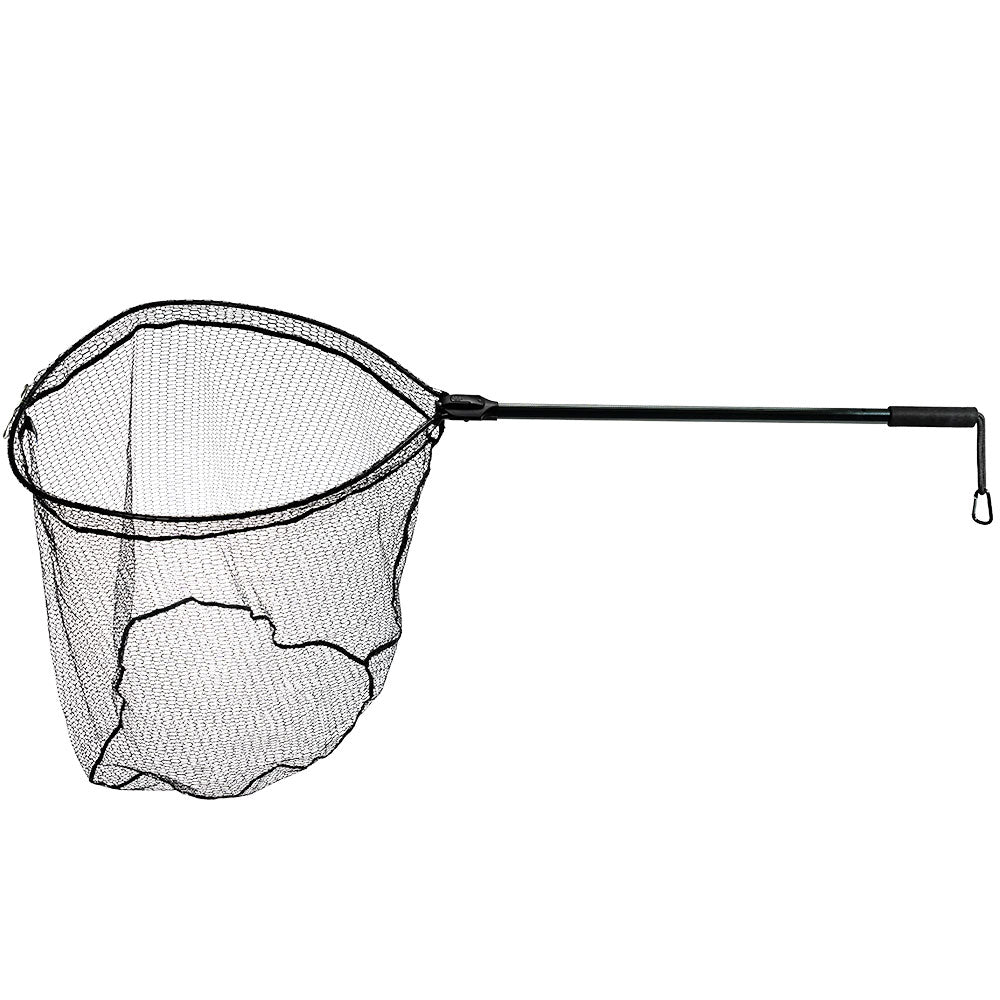


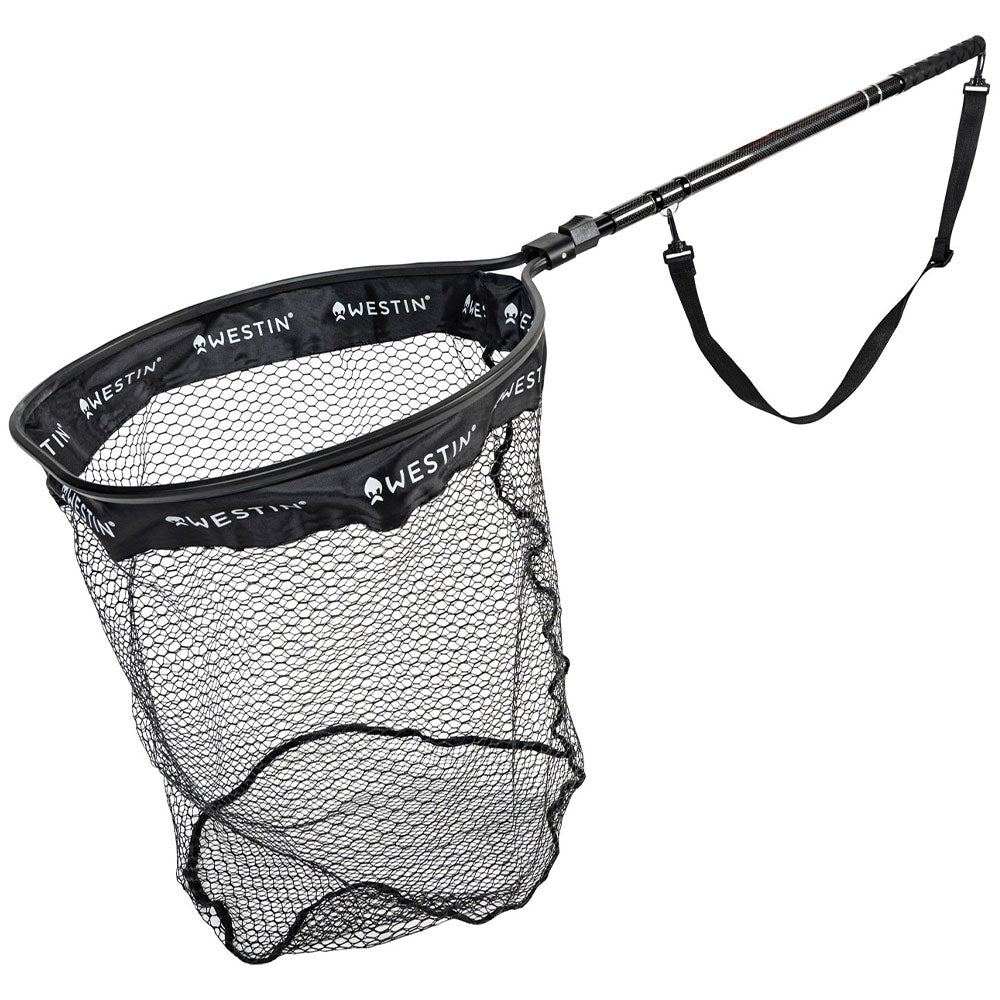


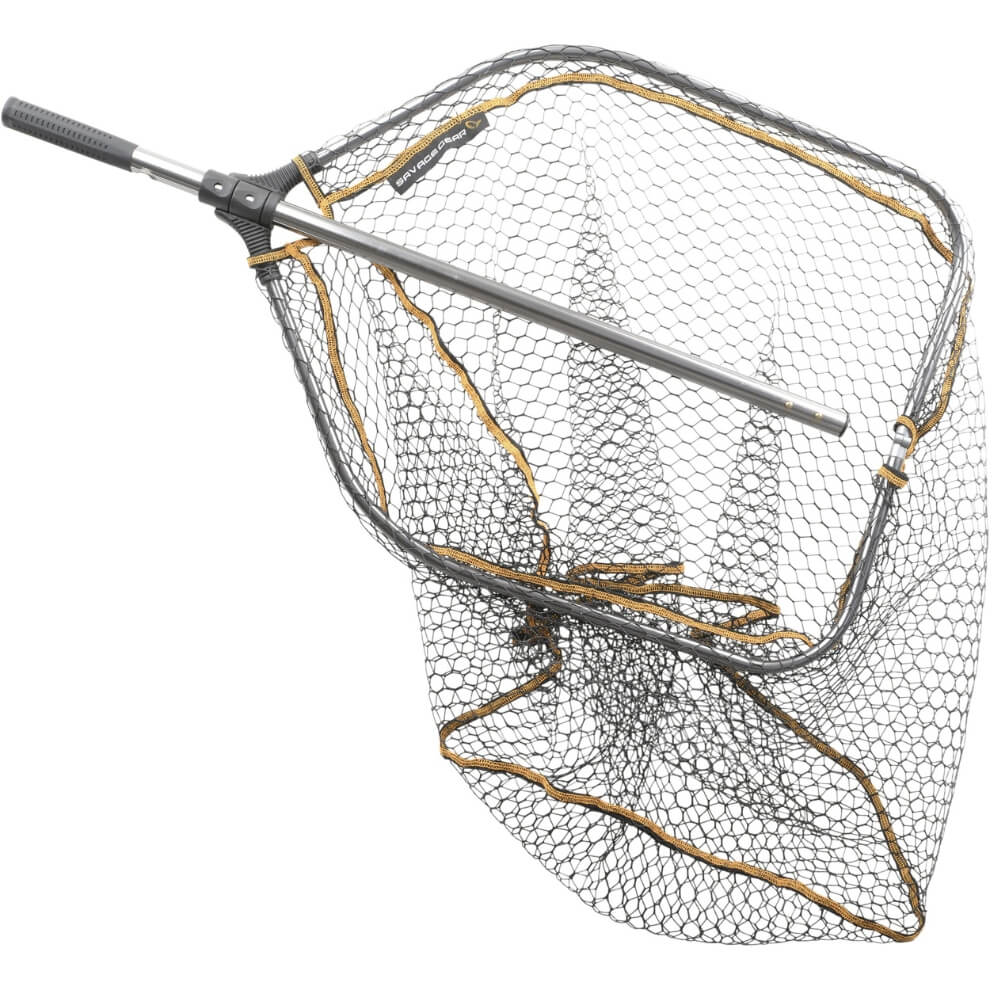

2 variants
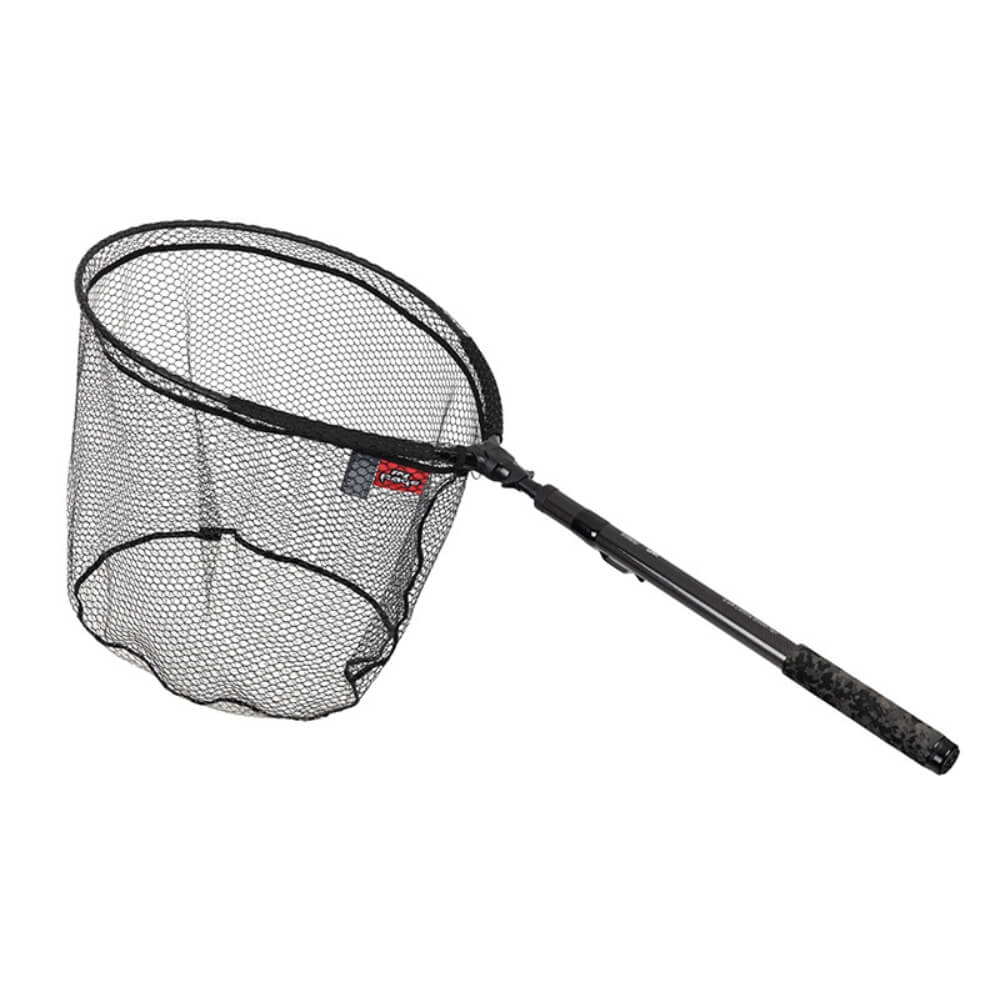


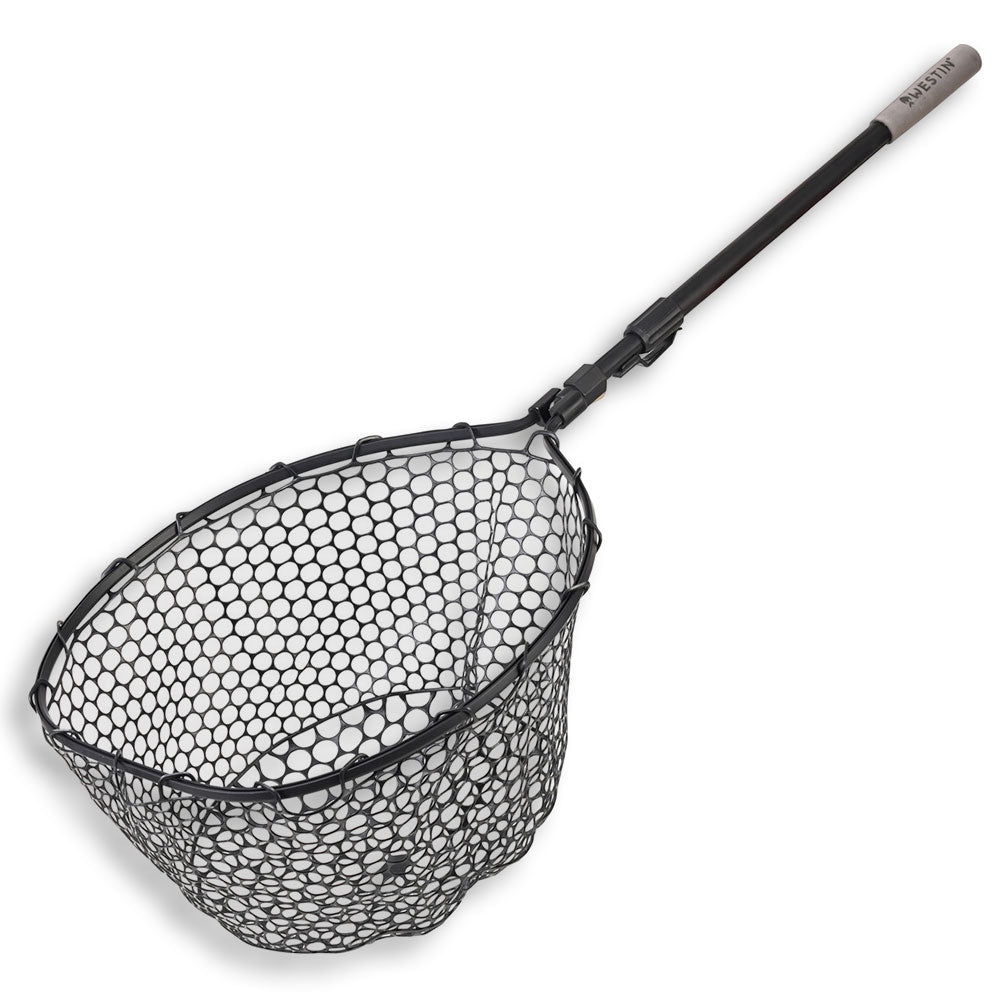
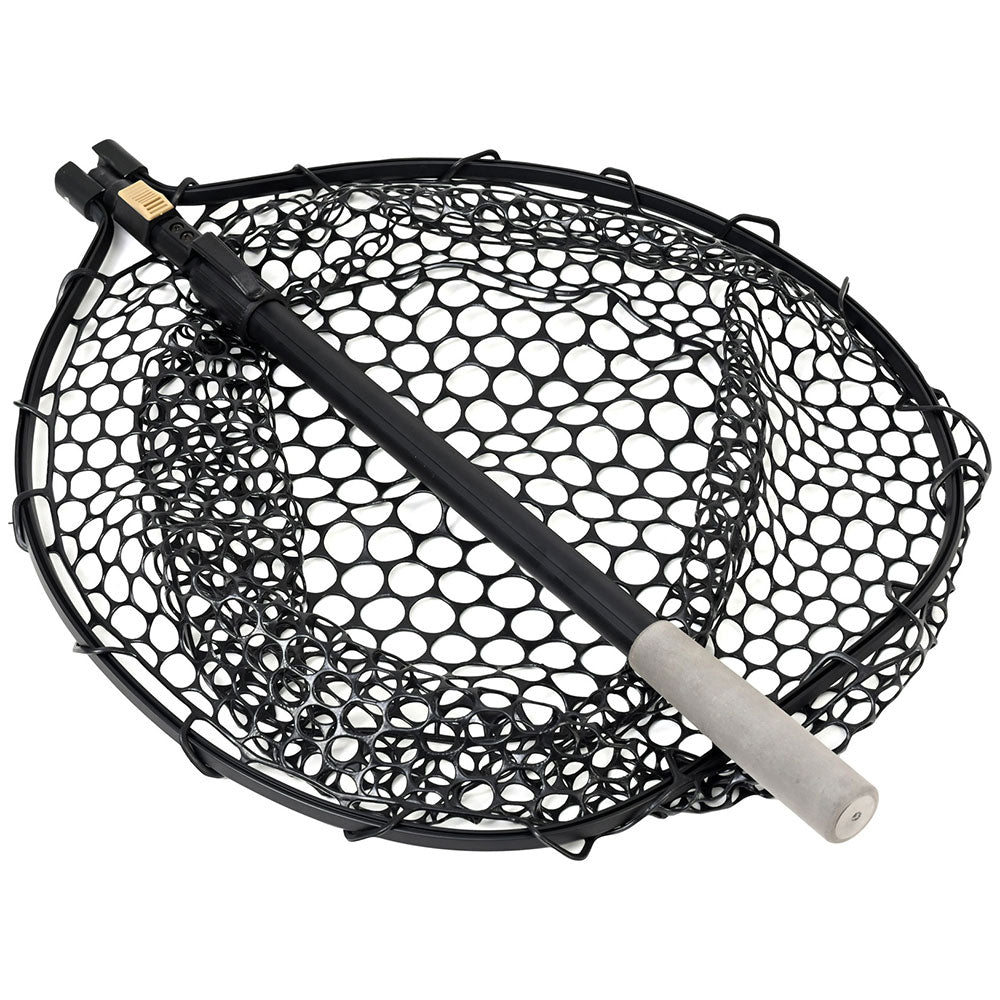


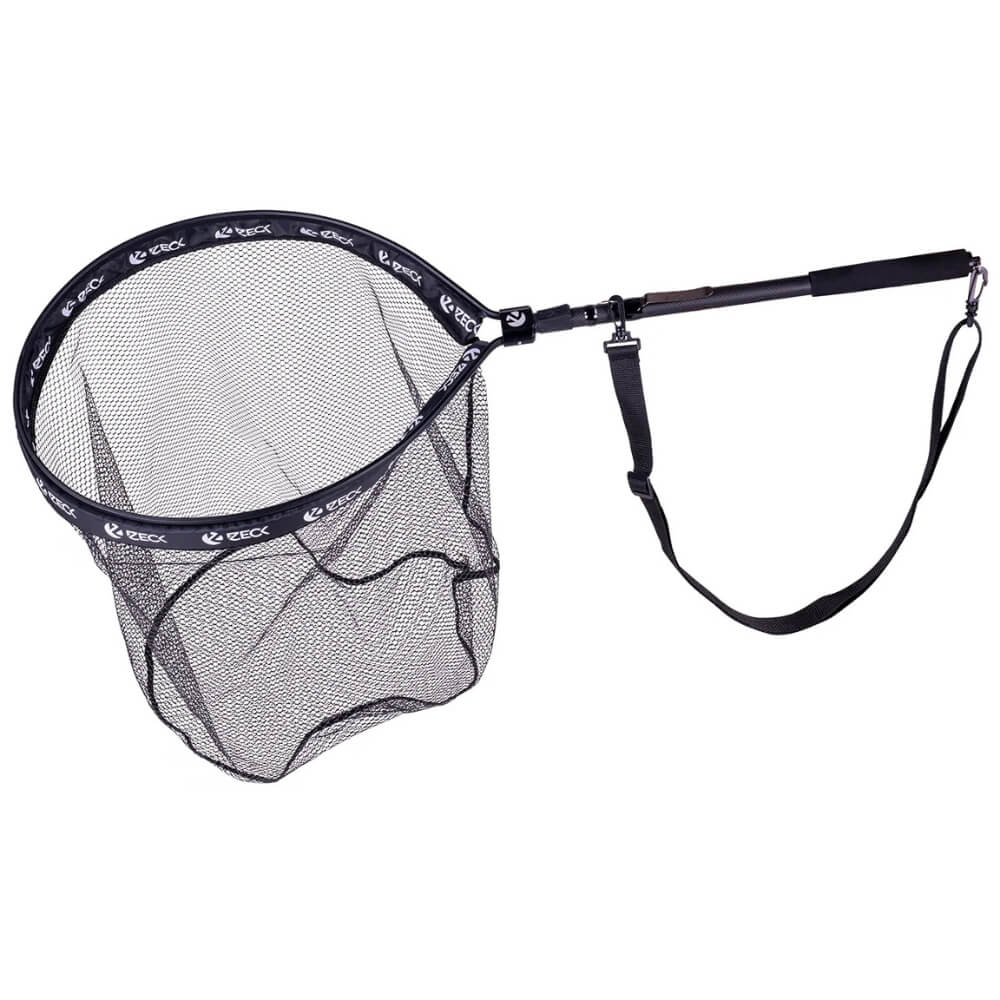


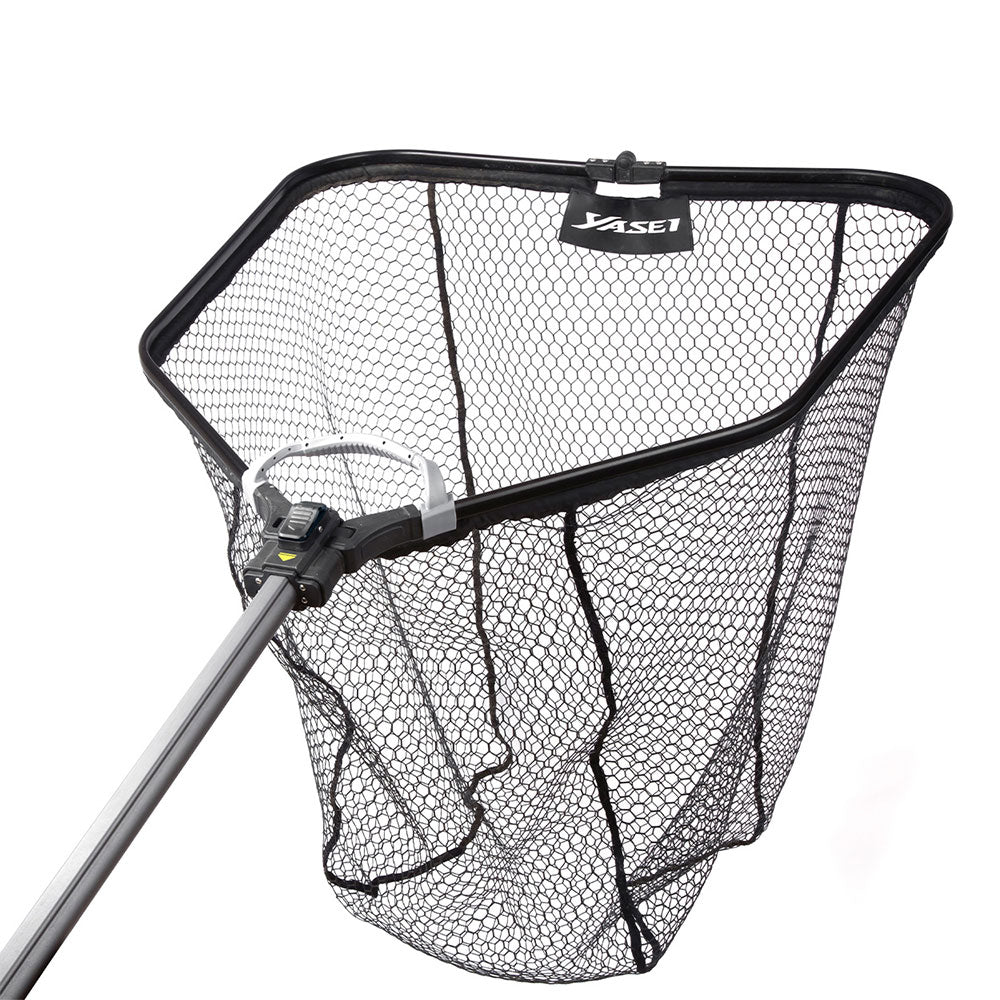


2 variants
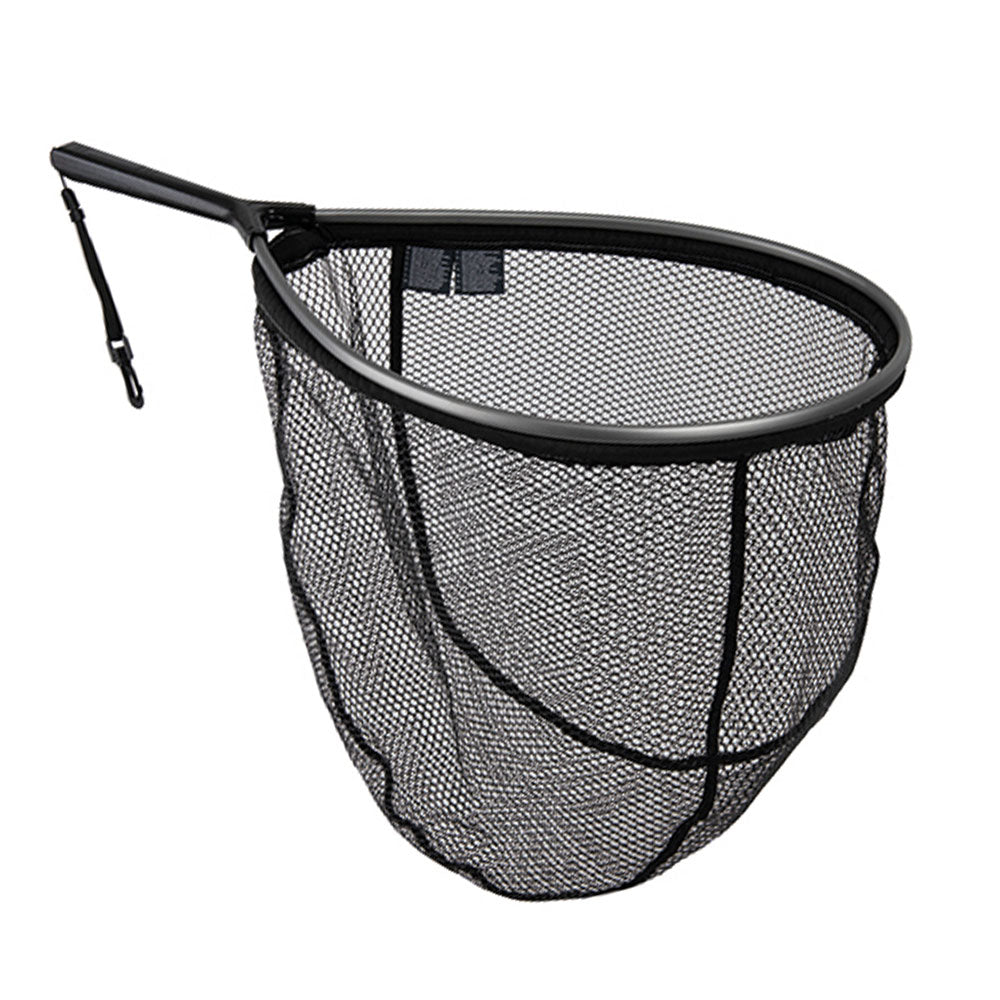


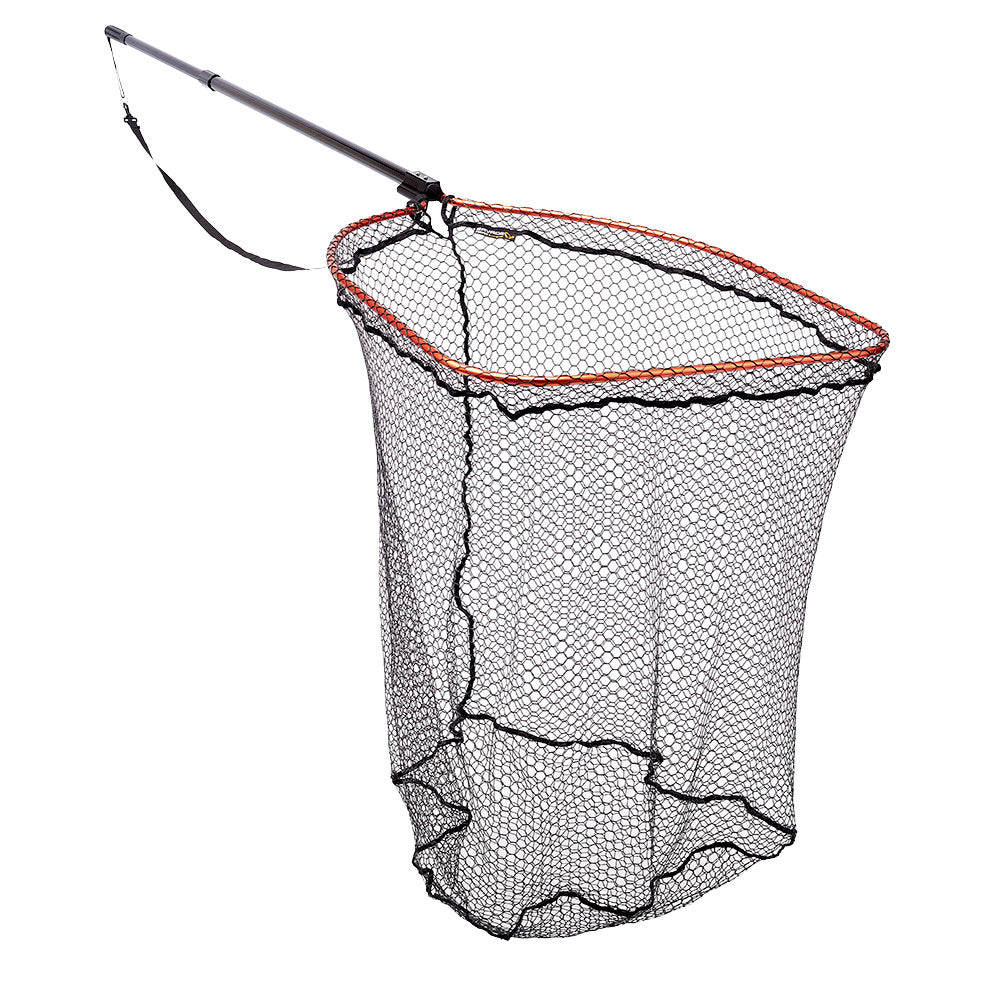


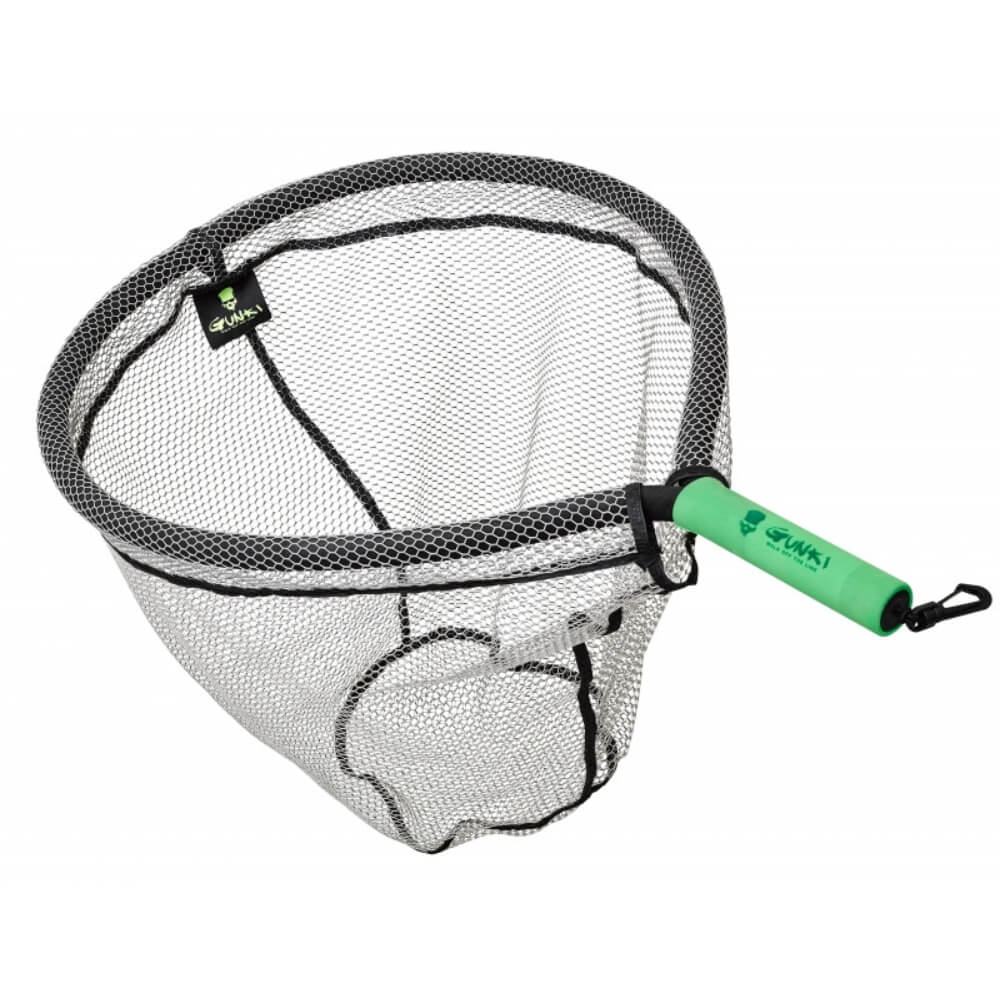

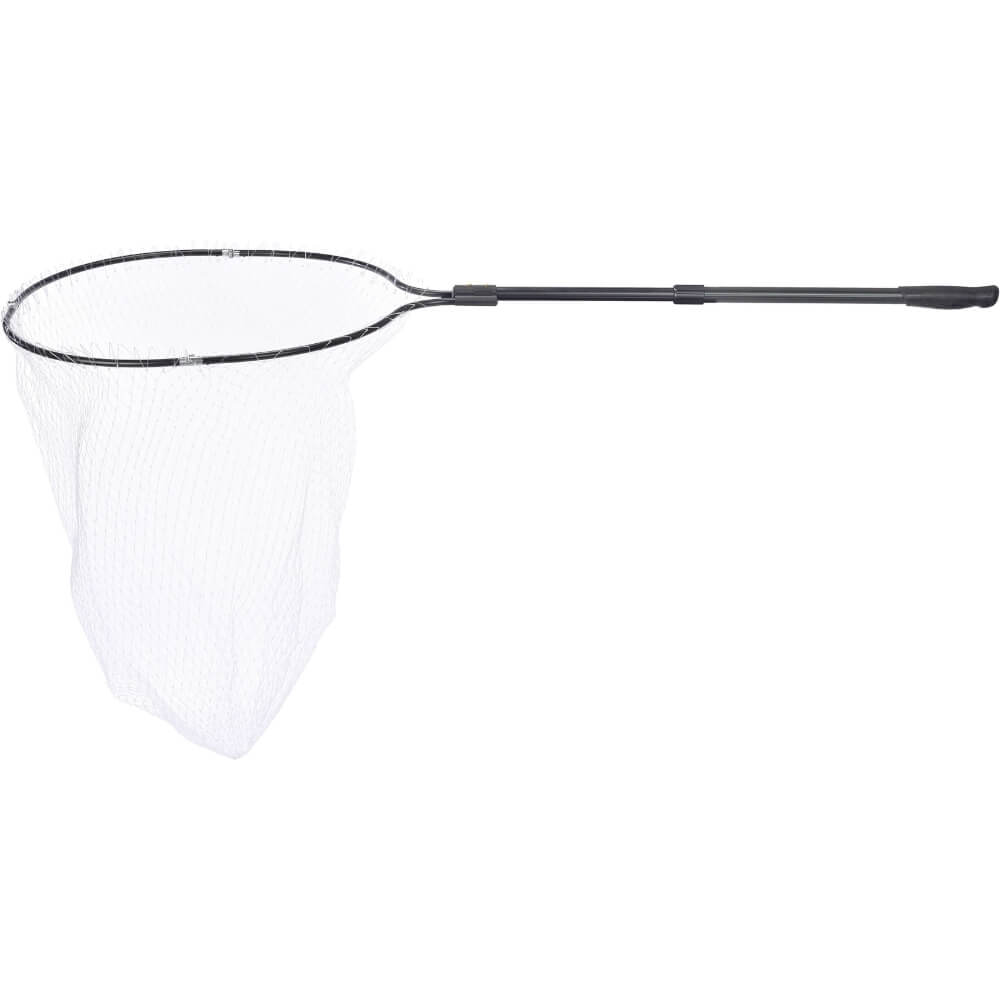


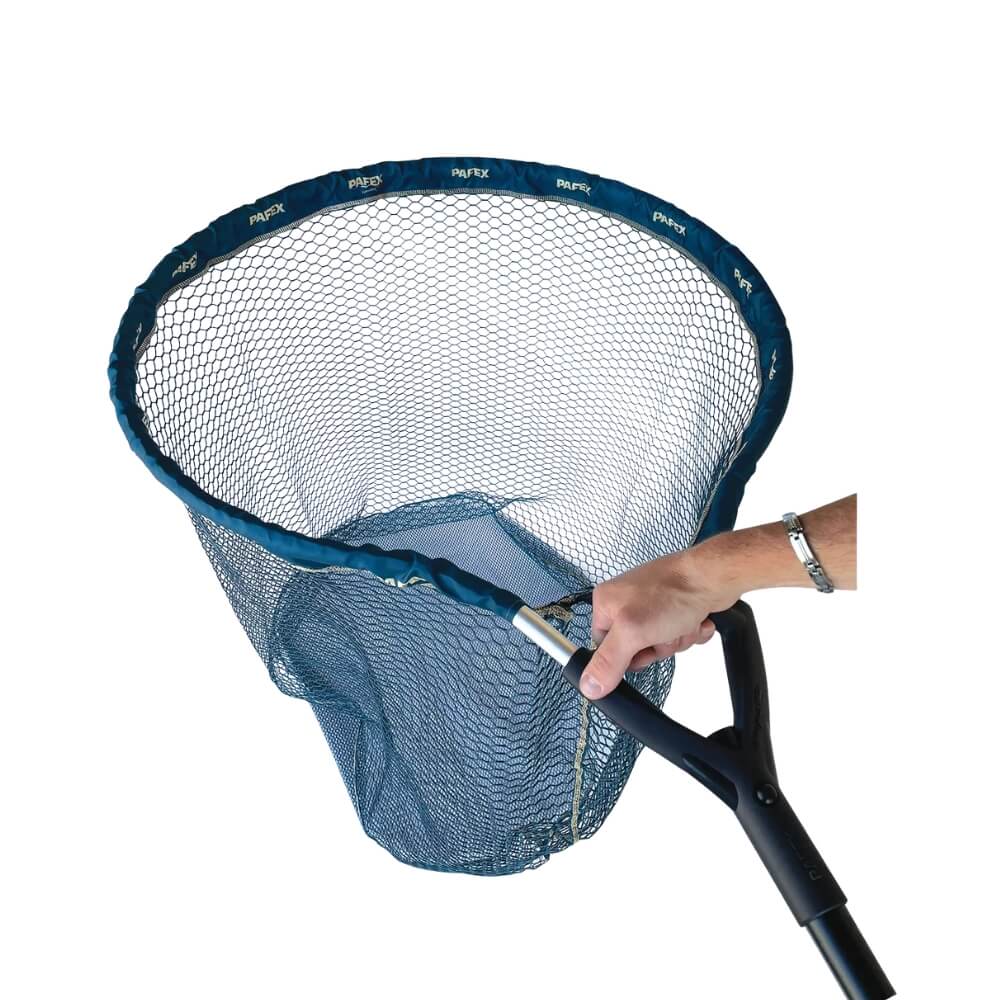


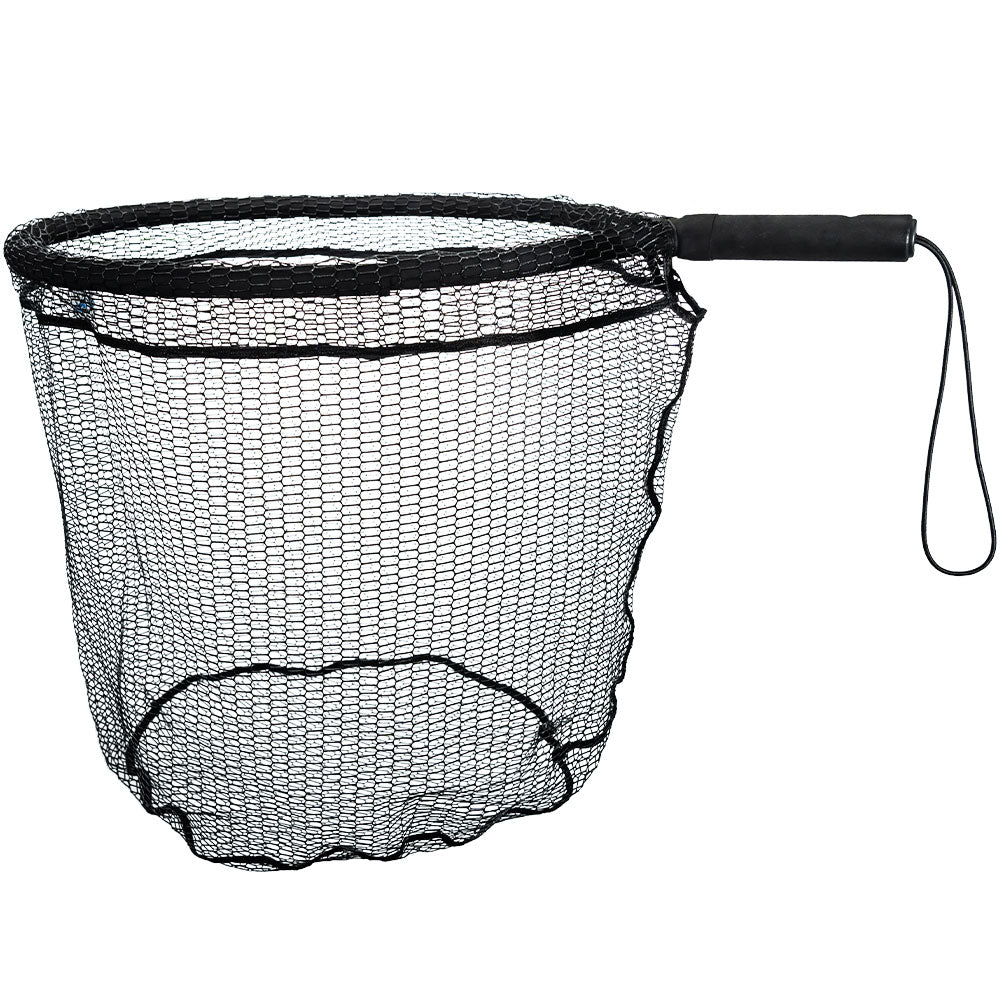


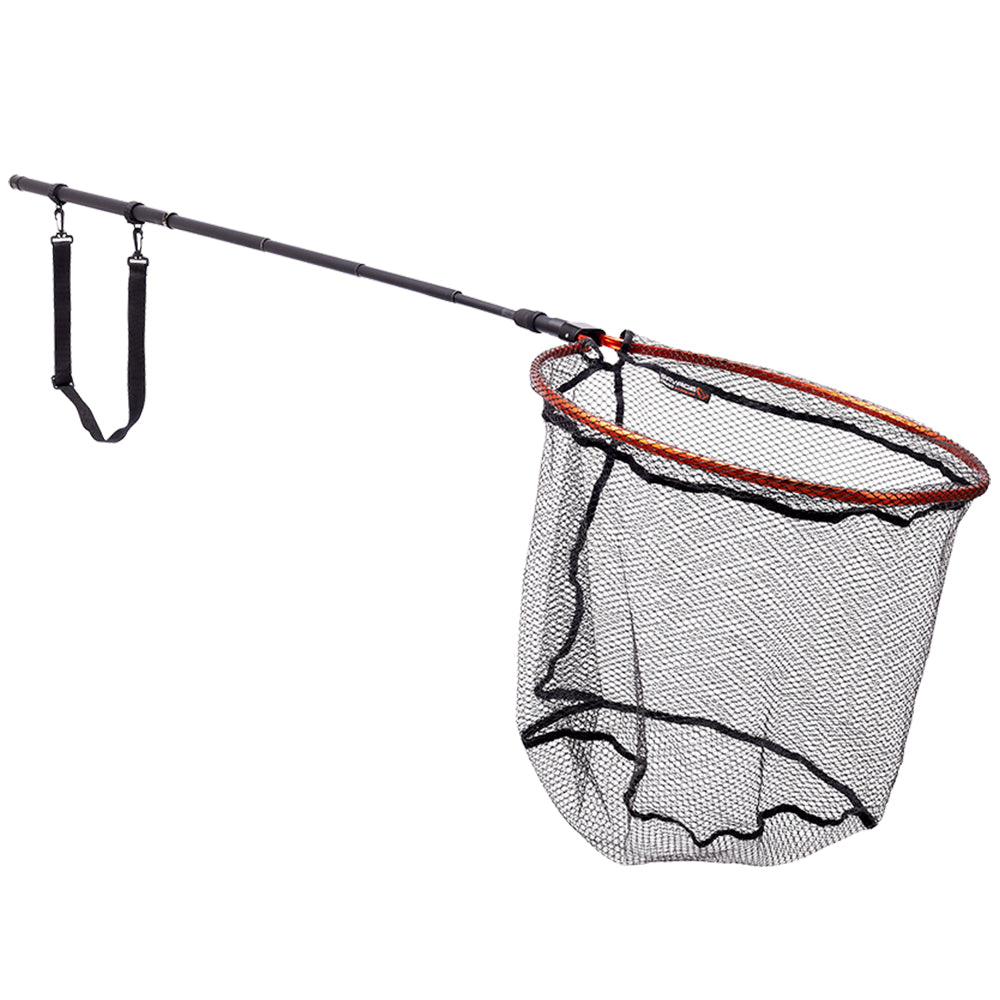


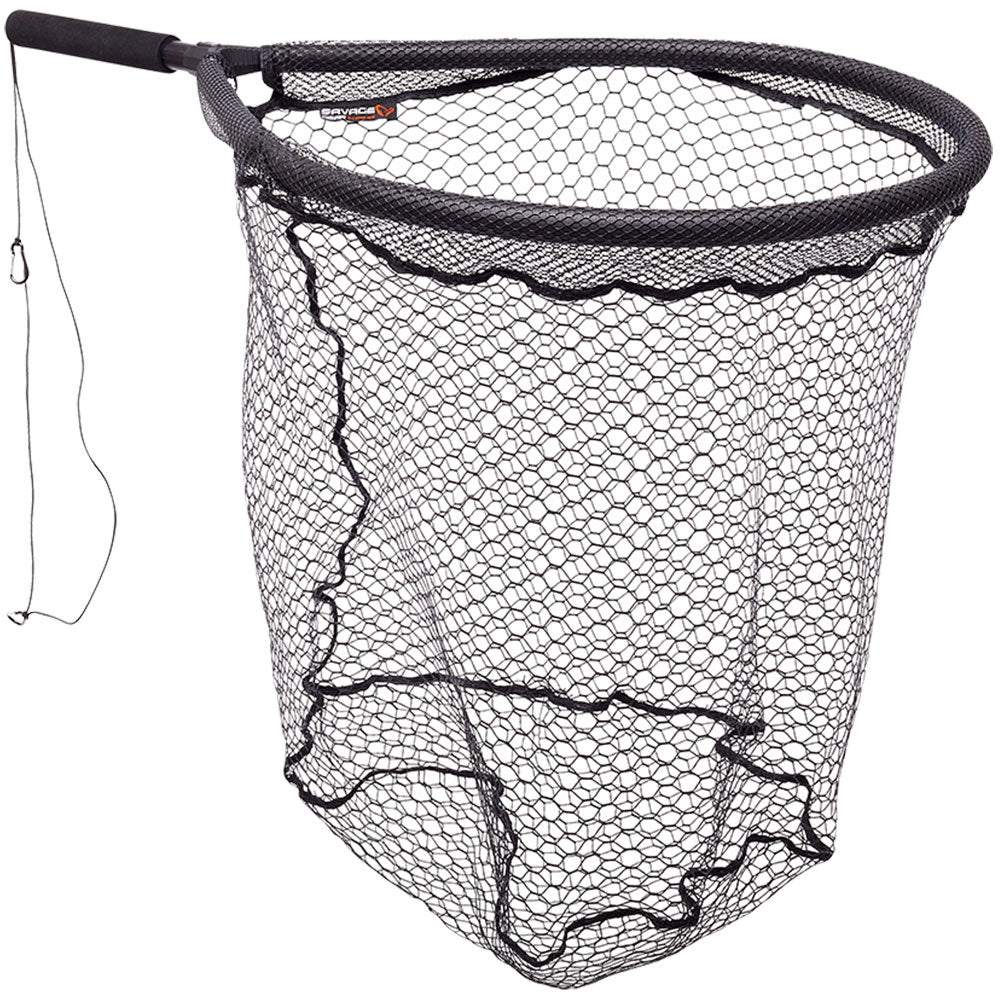


<h2>Buying Guide for Landing Nets</h2><p>A <strong>landing net</strong> is an essential piece of tackle. In some situations it's possible - and sometimes even advisable - to hand-land a fish, but in the vast majority of cases, using a suitable landing net is the safest method.</p><p>The range of landing nets available is enormous, though: from long to short, from small to large, from nylon mesh to rubber-coated material. So what do you actually need for your style of fishing and your situation on the water?</p><p>The following sections will help you answer that question.</p><h3>Choosing the Right Handle Length</h3><p>Landing nets come in a wide variety of handle lengths. Many models also feature a telescopic handle, which makes them more versatile. The right length for you comes down entirely to the situation at your water. If you're fishing from an elevated position, a high bank, or you need to reach over vegetation or obstacles, you'll want <strong>landing nets with handles as long as possible</strong>, around three metres or so.</p><p>At the opposite extreme is fishing from a float tube. Here you're sitting right at the water's surface, and the inflatable ring around you restricts your freedom of movement considerably. In that situation, a long handle - even a telescopic one - is more of a hindrance than a help. The same applies when wading: you have more room to move, but <strong>a long-handled net gets in the way when wading</strong> and simply isn't necessary. From a boat, shorter handles are also preferable, since longer models quickly become an obstacle.</p><p>In most other situations, a standard handle length of 120 to 250 cm will serve you perfectly well.</p><h3>Folding Frame or Fixed Frame</h3><p>Both have their pros and cons. If you're covering a lot of ground along the bank and need to stay mobile, a fixed frame quickly becomes a nuisance - there's nowhere to clip it on, and it gets in the way when you're walking. A folding frame fits the bill far better in that scenario. That said, a folding frame is inevitably not quite as rigid as a solid frame without hinges and fixings. If you're targeting large fish such as pike in open water, a fixed, robust frame is the better choice.</p><h3>Choosing the Right Frame Size</h3><p>Have you ever had a big pike on the hook, beaten after a hard fight, only to find it simply won't fit in the net - with every stinger and treble hook sitting in exactly the wrong position to make hand-landing virtually impossible? No? Then you've been lucky so far. Anyone who has been in that situation will think much more carefully about net dimensions next time - because what use is a landing net that's too small for exactly the fish where you need it most?</p><p>Think beforehand about the sizes of fish you're likely to encounter. Pike, zander, perch and wels catfish can often be hand-landed without too much trouble in a pinch. That's not the case with carp, asp or sturgeon, where an undersized net leaves you in a very difficult position. <strong>The opening of the net must always be large enough to take your intended target fish.</strong></p><p>Net depth also matters. Fish can thrash hard when netted, and if the net is too shallow they can throw themselves back out. All you can do then is hope the second netting attempt works and that the fish of a lifetime doesn't get away after all. That said, an excessively deep net can become hopelessly tangled with multiple treble hooks, so - as so often - the right balance is the key.</p><h3>Net Material</h3><p>Landing net meshes are made from a variety of materials. Most are nylon, either woven or knotted from mono filament. Knotted nets have the advantage that snagged hooks can be freed more easily, but they're not particularly fish-friendly and are therefore not the best choice for catch and release. Woven uncoated material is reasonably fish-friendly, but it picks up fish odour quickly and hooks can catch in it easily.</p><p>Rubber-coated nets offer a very good solution. They are fish-friendly, protecting the fish's slime coat, and barely absorb fish odour, which means you can store them in the car or at home without any serious smell. Nets made entirely from rubber compound are also a strong option - they too are odour-resistant, don't catch hooks, and are flexible enough to be very gentle on fish. There are even clear versions available, which have less of a startling effect on fish, helping to avoid that final desperate dash away from the net that so often means a lost fish.</p><h3>Specialist Landing Net Types</h3><h4>Sheet-Pile Landing Nets</h4><p>If you fish alongside sheet-pile walls where the water surface is several metres below you, a specialist sheet-pile landing net is essential. This type consists of a ring suspended at several points from a rope, so the net can be lowered down to the fish. Once the fish is over the ring, it is drawn up on the rope. Sheet-pile nets are also available with different mesh types, and a rubber-coated mesh is recommended here too, since rubber mesh does not float and this makes the netting process considerably easier.</p><h4>Carp Landing Nets</h4><p>Carp landing nets are particularly large, robust and fish-friendly, and crucially the spreader arms of the frame can be detached so you can carry the fish more easily. When buying a carp landing net, make sure the handle is long enough to get those deep-bodied fish safely into the net even in awkward situations.</p>