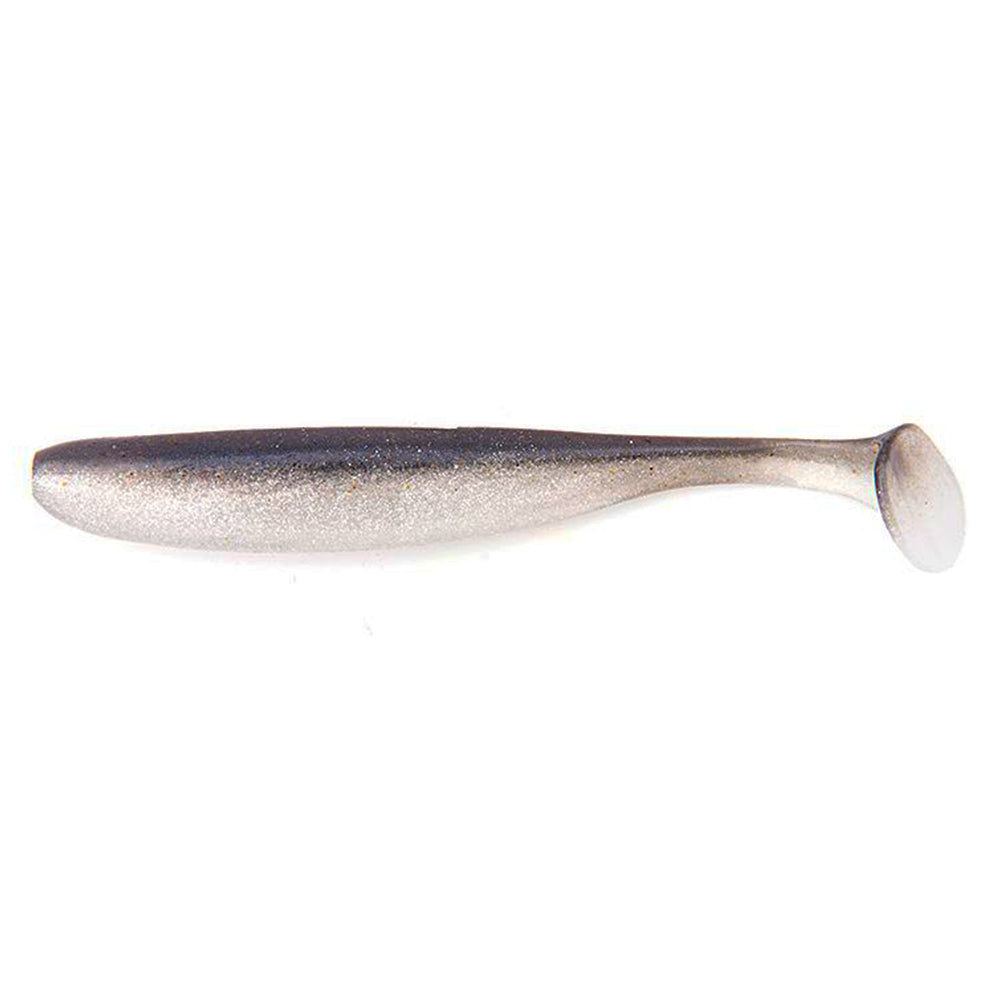
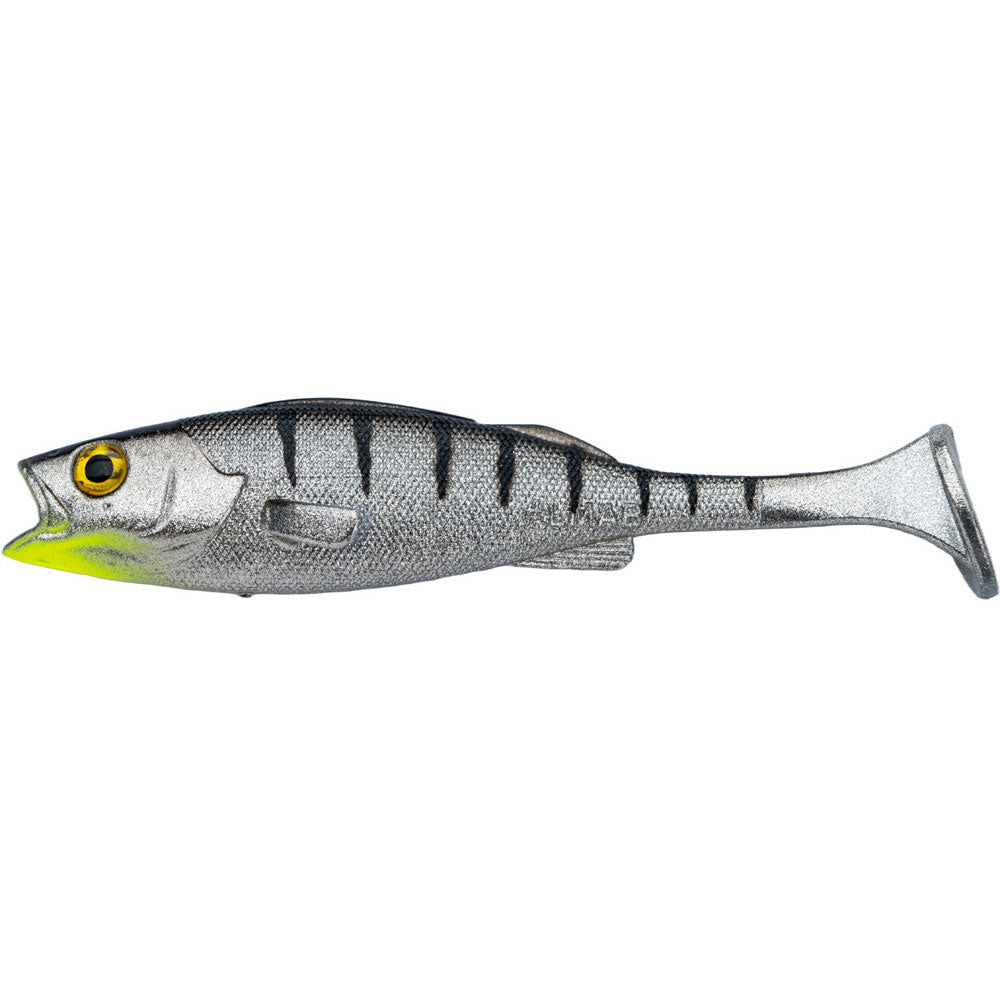
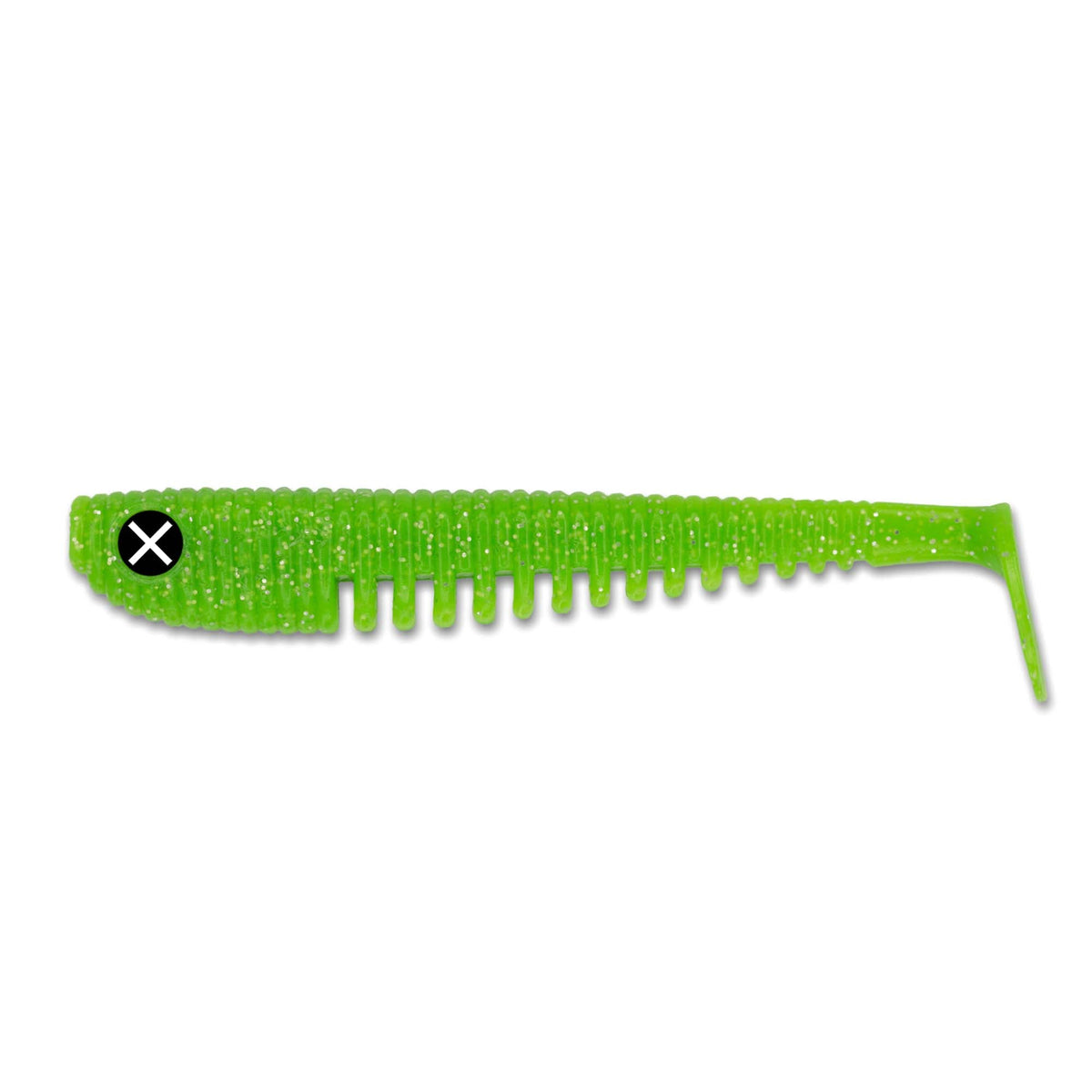
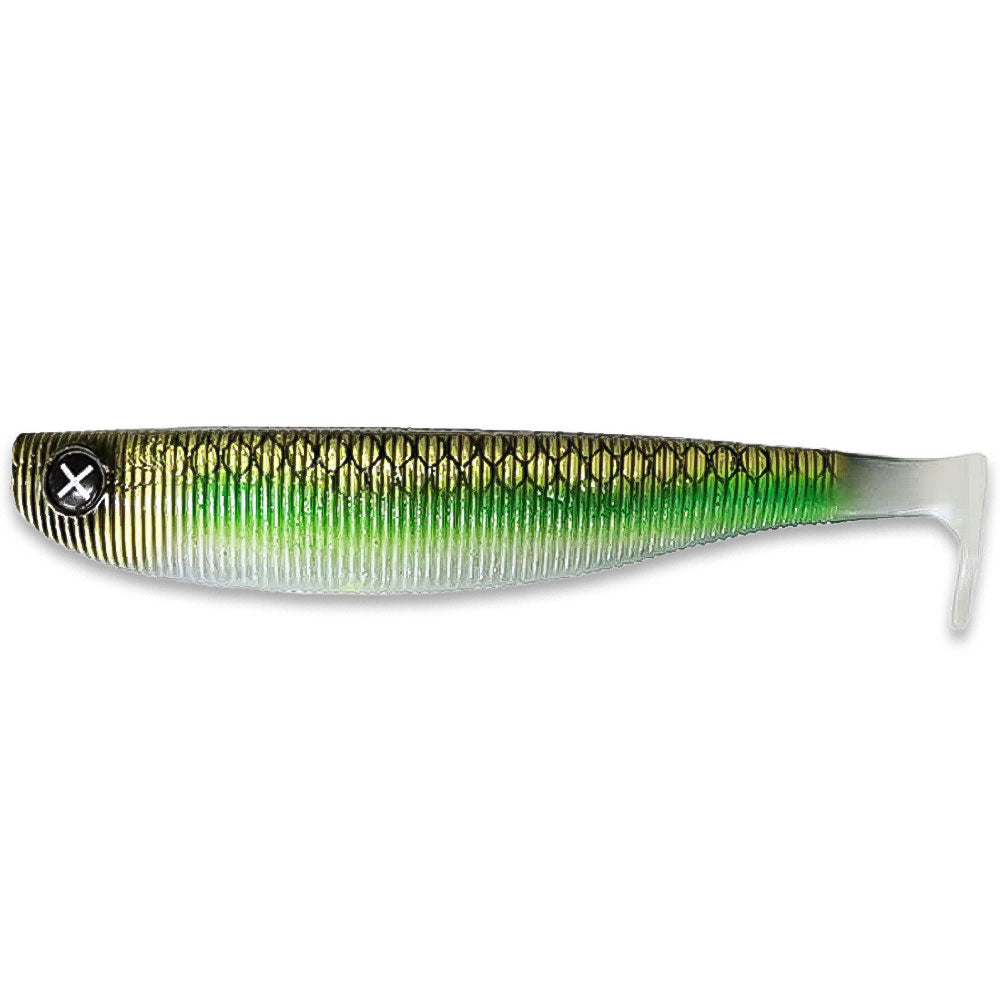
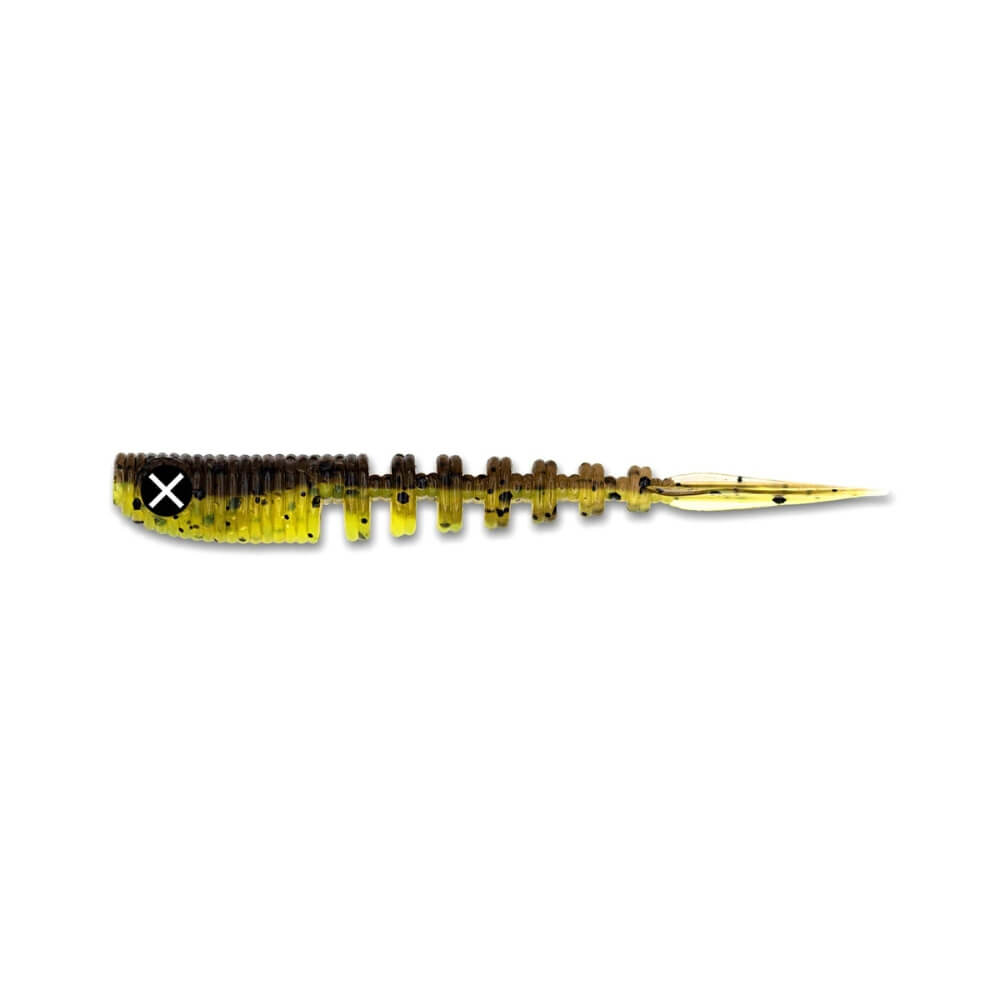
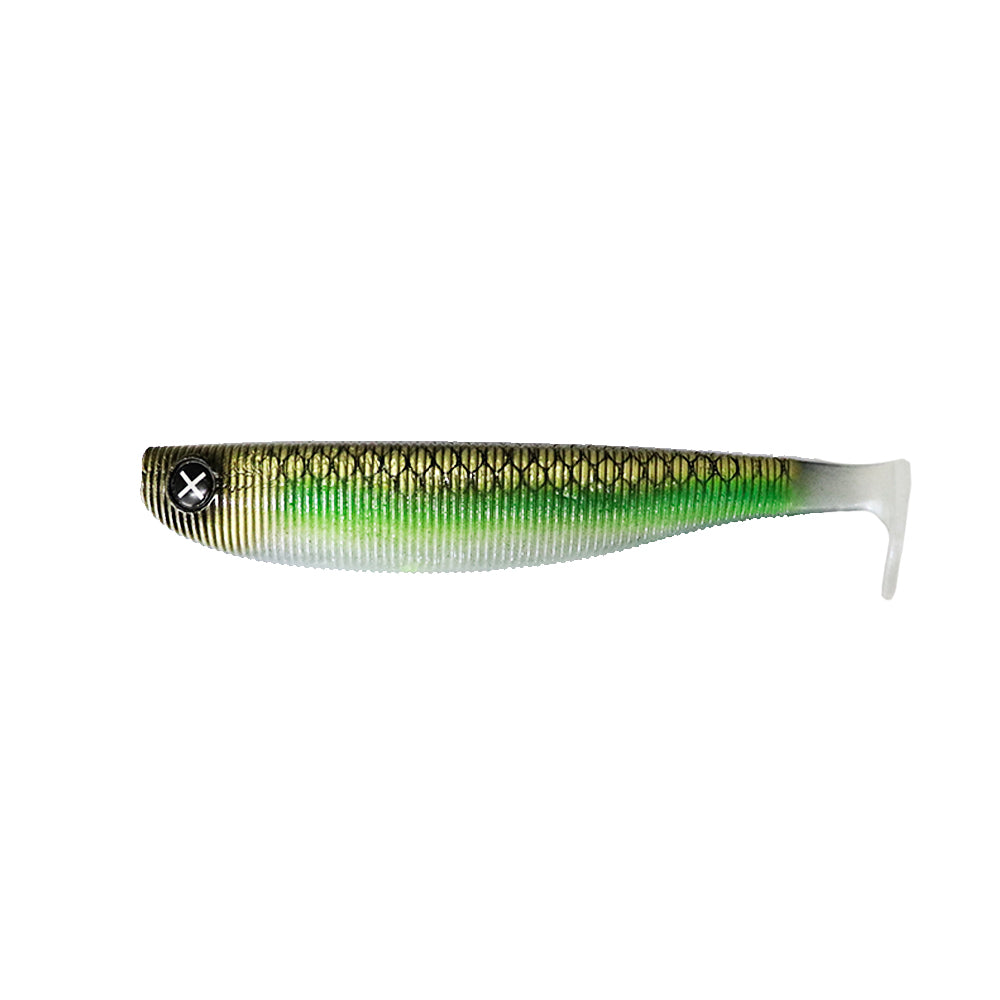
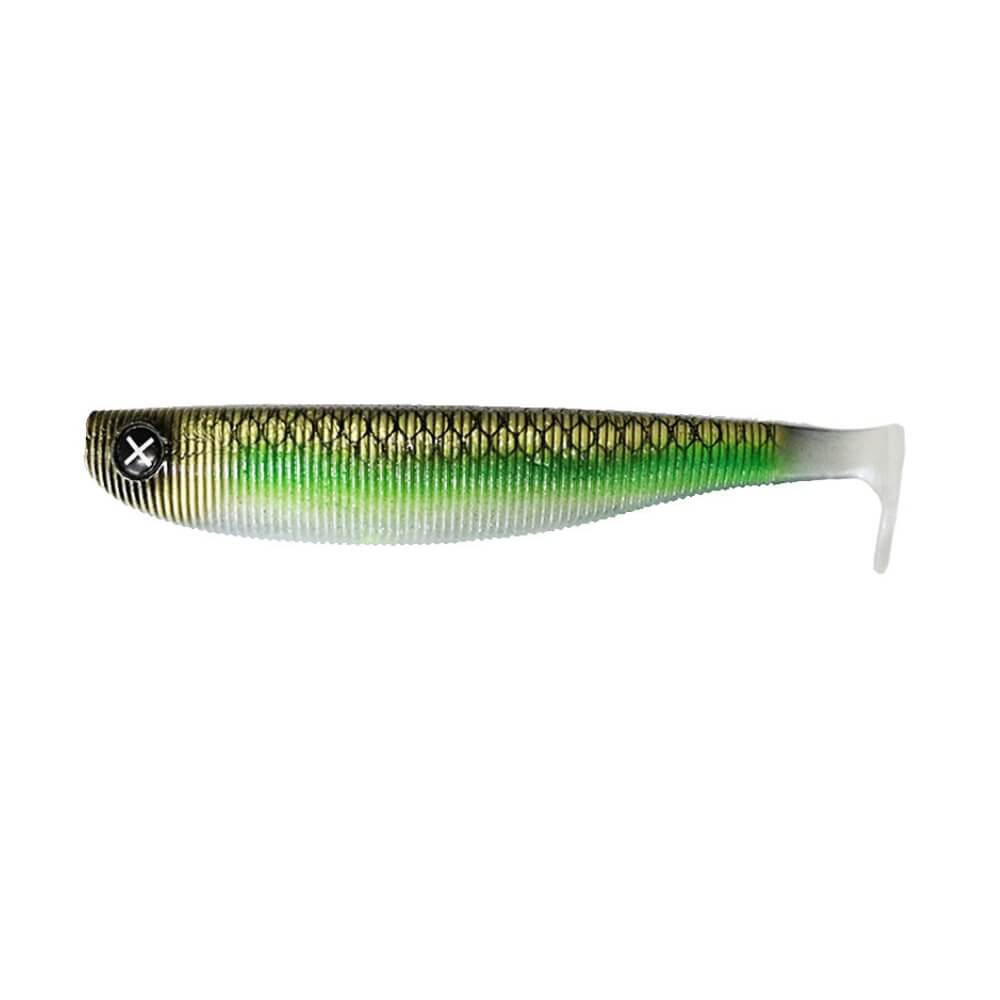
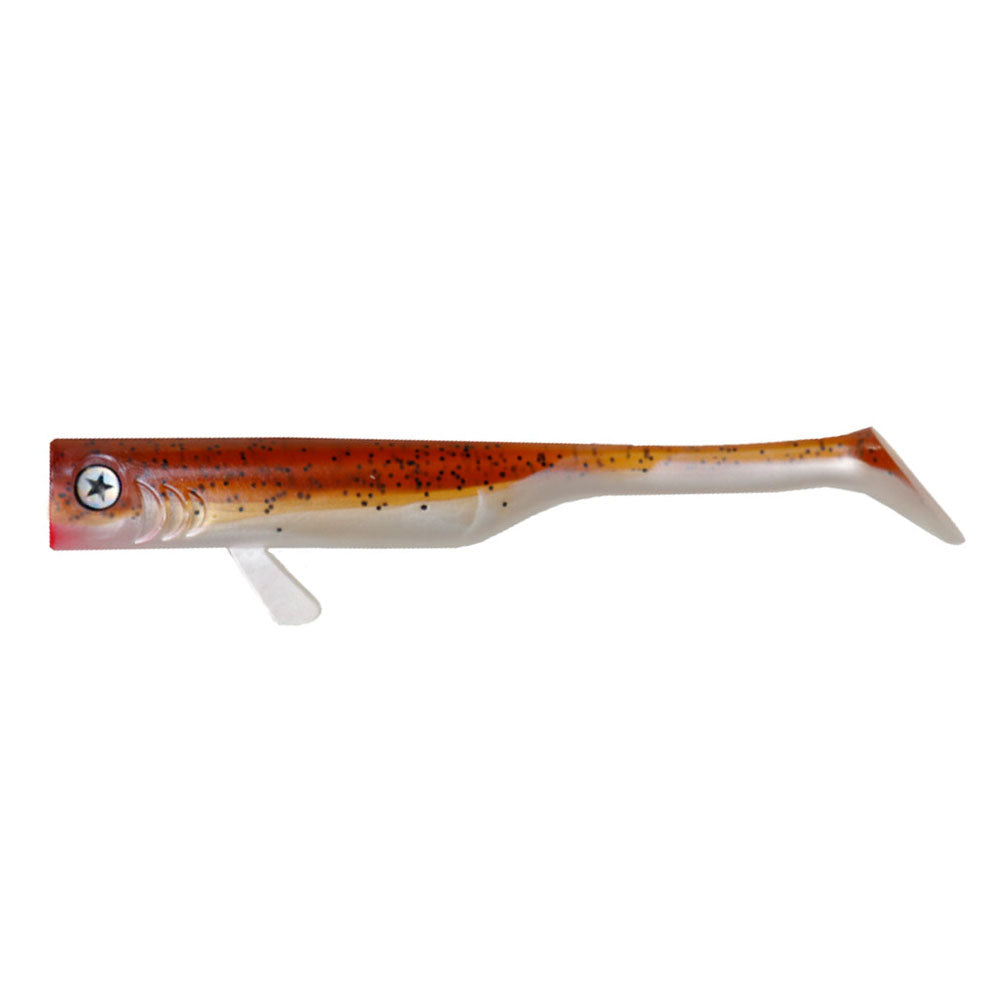
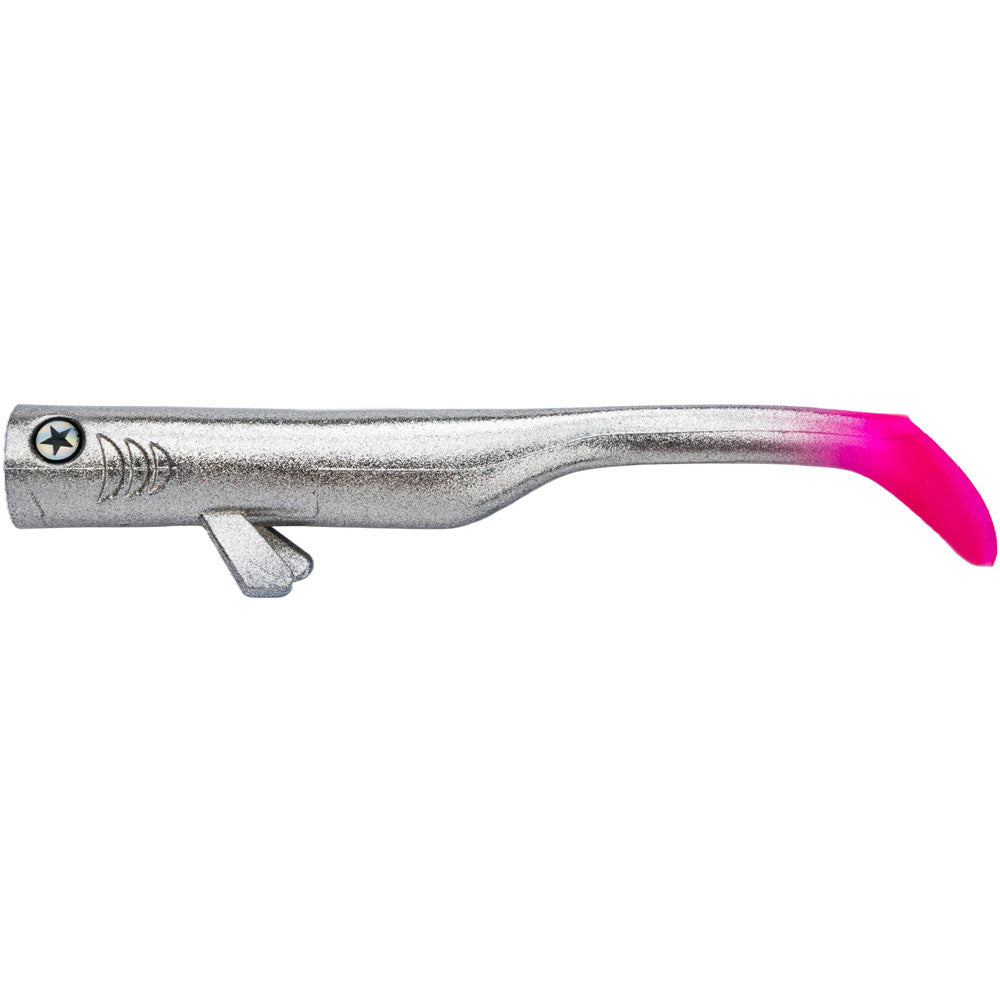
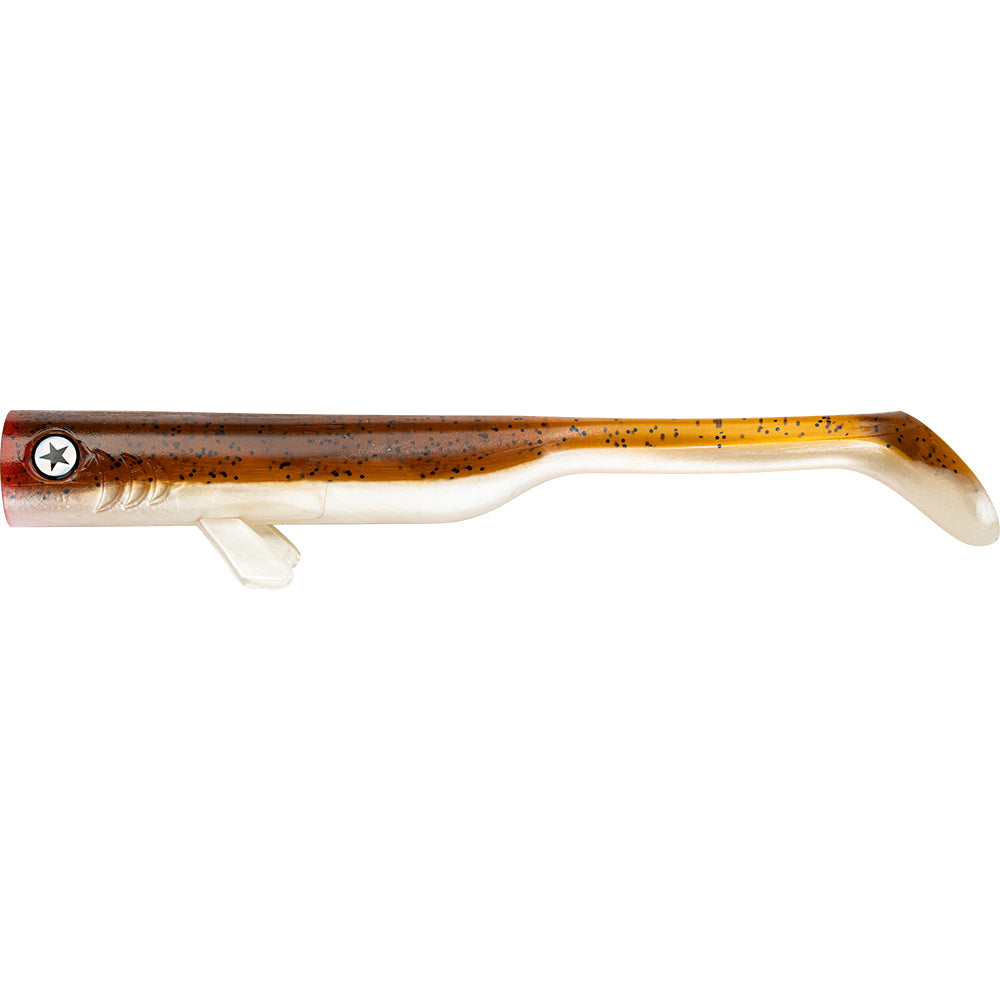
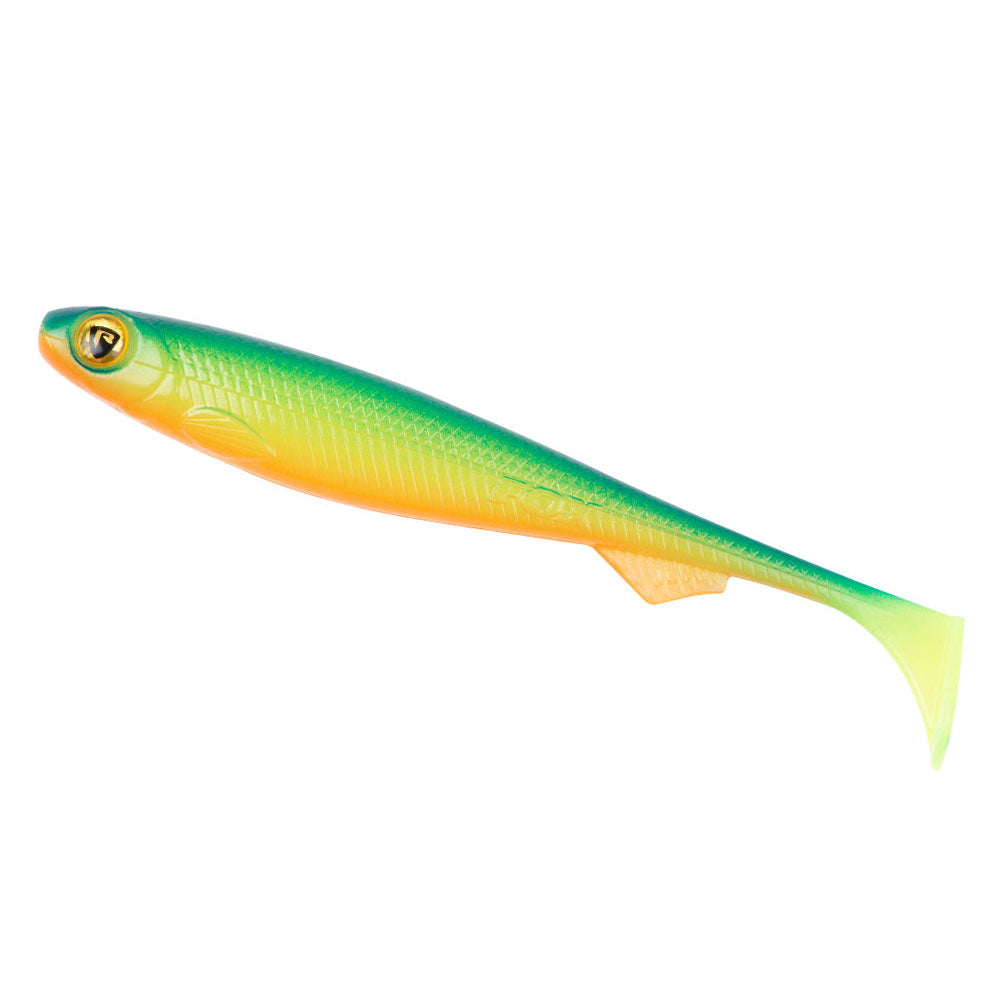
<h2>Shads: Buying Guide & Advice</h2><p>Choosing the right shads can make a real difference on the water. Form, colour, size, and action all vary enormously, and it is easy to feel overwhelmed by the options. Every weather condition and every water influences which lure you should pick up. This guide gives you a solid overview so you can make an informed choice and pull the right lure from your box when it matters.</p><p>We have worked our way through a broad range of lures and put together a selection of our most productive patterns for pike, perch, and zander.</p><h2>Action of the Shad</h2><p>Let us start with the first and, for us, most important distinction - action and size. <strong>The action of a shad describes how it moves through the water.</strong></p><p><strong>Rule of thumb</strong>: the larger the tail, the greater the action under water.</p><table><tbody><tr><td><strong>Tail</strong></td><td><strong>Action</strong></td><td><strong>Example</strong></td></tr><tr><td><strong>Pintail</strong></td><td>No Action</td><td><img src="https://cdn.shopify.com/s/files/1/0548/9197/0669/files/K-fi-Bleak-Pintail-ChampagnecJgRwSgSzvmzE.jpg" alt="Pintail Köder" width="294" height="318"></td></tr><tr><td><strong>Shad / Large Paddle Tail</strong></td><td>High-Action</td><td><img src="https://cdn.shopify.com/s/files/1/0548/9197/0669/files/lmab-drunk-bait-magenbitter-manni.jpg?v=1689154684" alt="Shad" width="290" height="240"></td></tr><tr><td><strong>V-Tail</strong></td><td>Low-Action</td><td><img src="https://cdn.shopify.com/s/files/1/0548/9197/0669/files/Westin-TwinTeez-V2-Lime.jpg" alt="V-Tail Köder" width="292" height="217"></td></tr><tr><td><strong>Curly Tail Grub</strong></td><td>Action</td><td><img src="https://cdn.shopify.com/s/files/1/0548/9197/0669/files/curly-lui-10cm-big-l-spezial.jpg?v=1689154516" alt="curly-lui-10cm-big-l-spezial" width="288" height="286"></td></tr></tbody></table><h2>Length and Size: Which Size for Which Target Species</h2><p>The size of your lure matters. Yes, predators will sometimes attack a lure that seems far too large for them - but choosing the right size will often help you avoid unwanted smaller fish. Pick a size that is adequate without going overboard. If you are targeting exceptional specimen fish, it makes sense to offer a bigger lure.</p><h2>The Pattern: Choosing the Right Colour</h2><p>For most anglers, colour is the most important feature of a lure - often referred to as the pattern. The range available is enormous, but a straightforward rule applies:</p><ul><li><strong>Coloured water and overcast conditions</strong>: shock colours / high-visibility colours</li><li><strong>Clear conditions</strong>: light or natural colours</li></ul><h2>Water Depth and Colour Visibility</h2><p>There are a few facts worth keeping in mind here. The colour spectrum of sunlight narrows the deeper you go underwater. So the right colour choice also depends on the depth at which you are presenting the lure. The information here gives you a useful starting point.</p><p>There is no perfect formula for colour selection, but working with these guidelines puts you in the right direction and will help you find more success on the water.</p><h2>Hardness of the Plastic Compound</h2><p>Then there is the plastic compound itself. What makes a good mix?</p><p>The key principle is straightforward: the firmer (harder) the compound, the tougher and more durable the lure. A softer compound, on the other hand, offers much greater flexibility and movement in the water. For larger lures - such as big baits - a firmer compound tends to be the better choice, as a big lure is more likely to attract a larger predator.</p><h2>UV-Active Soft Plastics</h2><p>What does UV-active actually mean? Certain colours do not only reflect light visible to humans - they also reflect UV-A rays. That makes no difference to our eyes, but it certainly makes a difference to zander, perch, and other predators.</p><p>Fluorescent colours are not a modern invention. They have been used in lure development for a long time - the term UV-active simply was not used back then. Because every water has its own characteristics, predators in those waters have adapted and focus on the natural prey available to them.</p><p>Every angler knows the feeling of a session where no predator seems interested in your lure. Stay bold and try out the continuously evolving soft plastic compounds and shapes available.</p><p><span>Predators learn to recognise the movement patterns of shads they have been caught on before, and will not always attack the same lure again in future. So do not be afraid to try something different, including different shapes - sometimes that switch is exactly what leads to success.</span></p><p><span><img src="https://cdn.shopify.com/s/files/1/0548/9197/0669/files/gummikoeder-mit-angstdrilling.jpg" alt="Gummifisch mit Angstdrilling" width="560" height="256"></span></p><p>Stay flexible and stay observant, and you will find the right shad for your purpose more quickly - leaving you more time doing what matters most. Tight lines and enjoy picking out your next shad.</p>